
TRIZ (Inventive Principles)

Leveraging AI/ML For Patent Management

Artificial Intelligence (AI) and Machine Learning (ML) can significantly impact patent management by automating and optimizing various tasks. By leveraging AI and ML in these areas, patent management processes can become more efficient, accurate, and proactive, ultimately enhancing the overall effectiveness of intellectual property management strategies. There are several applications and areas where AI/ML can be applied in patent management:  Prior Art Search, Automated Patent Drafting, Patent Classification, Patent Valuation, Automated Patent Filing and Prosecution, Patent Portfolio Management, Patent Analytics, Infringement Detection, Technology Landscape Analysis, Patent Litigation Support, Automated Patent Maintenance and Collaborative Innovation Platforms. A: Prior Art Search (Patent Searching) Develop AI-powered search algorithms that can efficiently scan through vast amounts of existing patents and scientific literature to identify relevant prior art. In a patent document, the discussion of prior art is typically found in the “Background” or “Description of Related Art” section. This section provides context and describes existing technologies or solutions related to the invention. The purpose is to establish the state of the art at the time of filing and highlight the novelty and inventiveness of the claimed invention.  In this section, the patent applicant may discuss various documents, publications, patents, or other sources that represent the prior art. These references help define the problem that the invention aims to solve and demonstrate why the claimed invention is innovative. The prior art references may include: Published Patents: Previous patents that disclose relevant technologies or solutions. Scientific Papers: Academic papers and articles discussing related inventions or technologies. Industry Publications: Magazines, journals, or other publications within the relevant industry. Books: Relevant books discussing technologies or methods related to the invention. By citing prior art, the patent applicant aims to distinguish their invention from what already exists and emphasize the unique aspects of their contribution. It’s crucial for a patent examiner to evaluate the claimed invention against the existing prior art to determine its patentability. Read More: Prior Art Search B: Patent Drafting Use NLP algorithms to assist inventors and patent attorneys in drafting patent applications by suggesting language, identifying relevant sections, and ensuring compliance with legal requirements. Automating the drafting of patents involves a combination of advanced technologies, domain expertise, and careful consideration of legal requirements. (1) Have a thorough understanding of the specific industry, technology, and legal requirements relevant to the patent being drafted. Knowledge of patent law and regulations is crucial. (2) Gather relevant data, including technical information, prior art, and details about the invention. Utilize data processing techniques to organize and structure the information for analysis. (3) Implement NLP techniques to analyze and understand the language used in patent documents. This includes identifying key terms, concepts, and legal language specific to patent drafting. (4)  Develop or leverage machine learning models to assist in various aspects of drafting, such as: Claim generation. Specification drafting. Identifying relevant prior art. (5) Apply semantic analysis to understand the context and meaning of terms used in patent documents. This helps in improving the precision of language used in patent drafts. (6) Incorporate rule-based systems to ensure compliance with legal and patent office guidelines. This involves enforcing specific rules related to patent drafting, formatting, and language.  Read More: Patent Drafting C: Patent Classification ML-based Classification Systems: Implement ML models to classify patents into relevant categories, making it easier to organize and search for patents based on their content. AI/ML is being increasingly leveraged for patent classification to automate and enhance the categorization of patents into predefined classes or categories. Patent classification is a crucial step in organizing vast patent databases and improving search and retrieval processes. AI/ML technologies are transforming patent classification by improving accuracy, efficiency, and adaptability. Establishing clear OKRs, KPIs, and metrics helps organizations set specific goals, measure progress, and evaluate the success of their AI/ML-driven patent classification initiatives : (1) Increase efficiency in patent classification. (2) Achieve a  reduction in average processing time per patent within specficied number of months. (3) Improve accuracy and consistency in patent classifications.  (4) Attain a classification accuracy rate of certain % or higher as measured by an independent audit. (5) Enhance scalability for handling a growing number of patents. (6) Increase throughput to classify patents per day within the next quarter. (7) Achieve cost savings in patent classification efforts. Reduce the cost per patent classification by % over the next fiscal year. (8) Enable adaptability to changes in patent law and regulations. (9) Implement updates or changes to the classification rules within certain number of weeks of their announcement. (10) Facilitate better decision-making through accurate patent classifications. (11) Improve user satisfaction with the system, as measured by a certain increase in user feedback scores.  Read More: Patent Classification D: Patent Valuation Utilize predictive analytics models to assess the potential value of a patent based on various factors such as market trends, technology landscape, and litigation history. AI/ML is increasingly being applied in the field of patent valuation to provide more accurate and data-driven assessments of the economic value of intellectual property. Patent valuation involves estimating the financial worth of patents based on various factors such as technological relevance, market potential, and competitive landscape. AI algorithms analyze the technological content of patents, considering factors such as citations, references, and the technical details within the documents. Provides insights into the significance of the patented technology in relation to industry trends and advancements.  AI/ML helps in predicting potential risks and challenges associated with patents, allowing companies to proactively address issues. AI/ML technologies in patent valuation empower companies to assess the economic value of their intellectual property more accurately, enabling strategic decision-making and portfolio optimization. Platforms like PatSnap, IPlytics, and Cipher demonstrate how these technologies are integrated into comprehensive patent analytics solutions.  Read More: Patent Valuation E: Patent Filing and Prosecution Implement AI-driven systems to automate the patent filing and prosecution process, reducing manual workload and ensuring compliance with regulatory requirements. AI/ML technologies are transforming patent prosecution by automating routine tasks, providing valuable insights, and improving the overall efficiency and effectiveness of the process. Companies like Docket Alarm, InQuartik, and Legal Robot are at the forefront of integrating AI into patent prosecution workflows. AI/ML technologies are increasingly playing a role in the patent prosecution process, helping patent professionals streamline workflows, enhance efficiency, and make data-driven decisions. Patent prosecution involves interactions with patent offices,

Cognitive or Inventive Bias _ Part I

Cognitive biases are systematic patterns of deviation from norm or rationality in judgment, often influencing decision-making processes. They are tendencies or patterns of thought that consistently and predictably deviate from objective standards such as facts or rational choices. These biases can affect perceptions, interpretations, and decisions. There are numerous cognitive biases, and they have been extensively studied by researchers in psychology, behavioral economics, and related fields. The concept of cognitive biases gained prominence through the work of psychologists Amos Tversky and Daniel Kahneman. Their research, particularly in prospect theory, highlighted various systematic errors in human judgment and decision-making. Beginning in the 1970s, Tversky and Kahneman conducted studies that challenged traditional economic models by revealing patterns of irrationality in how individuals assess risks, make choices, and form judgments. Prospect theory, introduced by Tversky and Kahneman in 1979, revolutionized the understanding of decision-making under uncertainty. It demonstrated that people do not always make decisions based on rational assessments of expected value but are influenced by cognitive biases that deviate from classical economic assumptions. The theory highlighted phenomena such as loss aversion, framing effects, and the endowment effect, shedding light on how individuals deviate from rational decision-making in predictable ways. Their research laid the foundation for the field of behavioral economics, which integrates insights from psychology into economic theories. Tversky and Kahneman’s work earned them the Nobel Prize in Economic Sciences in 2002, recognizing the transformative impact of their contributions on our understanding of human decision-making and the pervasive influence of cognitive biases in various aspects of life. Research on cognitive biases is carried out through empirical studies, experiments, and observations. Psychologists and behavioral economists design experiments to identify and understand how cognitive biases operate in different contexts. These studies often involve presenting participants with scenarios, decision-making tasks, or i nformation to observe how biases influence their judgments and choices. Cognitive biases are not limited to academic research; they have practical implications in fields like marketing, finance, law, and various aspects of everyday life. Understanding these biases can help individuals make more informed decisions and professionals design better systems, policies, and interventions. Researchers continue to explore new biases and refine their understanding of existing ones to contribute to the broader field of behavioral science. Inventive (Cognitive) Biases 1. Confirmation Bias:  2. Availability Bias:  3. Anchoring Bias  4. Egocentricity Bias  5. Halo Effect or Error or Association Fallacy 6. Recency Effect 7. Framing Effect 8. Sunk Cost 9. Hindsight 10. Loss Aversion 12. Gambler’s Fallacy 13. Attribution Bias 14. Dunning-Kruger Effect 15. Social Desirability Bias 16. Apophenia Bias 17. Mere Exposure Effect  18. Conformity Bias 19. Negativity Bias 20. Algorithmic Bias Confirmation Bias, Choice-Supportive Bias Confirmation bias is a cognitive inclination impacting how individuals search for, understand, and recall information, leading them to prefer data that corresponds with their preexisting beliefs. This bias is evident when individuals actively select information supporting their views and dismiss contradictory evidence. It is widespread in various areas, such as personal opinions and political ideologies, bolstering confidence in alignment with preconceived notions and causing discomfort when confronted with conflicting information.  Choice-supportive bias, also known as post-purchase rationalization, is the inclination of individuals to retrospectively assign positive qualities to a chosen option while diminishing the value of unselected alternatives. This cognitive bias takes effect after a decision is made and can impact how people perceive and recall their choices. For example, if someone opts for option A over option B, they may minimize any drawbacks or shortcomings associated with option A and emphasize its positive aspects. Simultaneously, they might magnify or accentuate the flaws of option B, attributing new shortcomings to it that were not initially considered. Confirmation bias plays a pivotal role in shaping decision-making processes by causing individuals to focus narrowly on information that aligns with their desired outcomes or emotional preferences. This bias hampers critical thinking and impedes objective consideration of alternative perspectives or impartial assessment of evidence. While it cannot be entirely eradicated, awareness of confirmation bias and intentional efforts to manage it can mitigate its impact. Education and training in critical thinking skills can enhance individuals’ awareness of biases, enabling them to develop strategies for objective information evaluation. Navigating confirmation bias requires actively seeking diverse perspectives, considering contrary evidence, and engaging in open-minded inquiry, leading to more informed decision-making. Misconception vs reality and the impact of prevailing ‘Confirmation Bias‘: Suppose a team is working on designing a new smartphone, and they have a preconceived belief that a particular feature, let’s say facial recognition, is the key to the success of the product. Despite receiving user feedback and market research suggesting that customers prioritize longer battery life and durability, the team actively seeks and emphasizes information that confirms the superiority of facial recognition technology. They may downplay or ignore data indicating the potential drawbacks or lower demand for facial recognition. In this case, the confirmation bias is influencing the decision-making process, leading the team to favor information aligning with their existing belief in the importance of facial recognition, potentially overlooking critical factors that could enhance the product’s success. Availability Bias The inclination to overestimate the likelihood of events that are more readily available in memory is influenced by factors such as recency, unusualness, or emotional significance of memories. This cognitive phenomenon is known as the availability heuristic, or availability bias. It functions as a mental shortcut, wherein individuals rely on immediate examples that come to mind when assessing a specific topic, concept, method, or decision. The process involves making judgments based on the ease with which relevant examples or instances can be recalled, potentially leading to biased perceptions and decision-making. The availability heuristic operates on the idea that information easily remembered is perceived as more necessary or significant than less readily accessible alternatives. In essence, if information is easily retrievable from memory, it tends to be considered representative or commonplace. Consequently, this heuristic heavily biases judgments towards recent information. New opinions or evaluations are often disproportionately influenced by the most recent news or events easily recalled from memory. The availability heuristic has the potential

Quantify The Market Value

Quantify the market value of the technology patent infringement settlement case based on the understanding of how consumers make value tradeoffs What is a patent? A patent is a legal document granted by a government to an inventor or assignee, giving them the exclusive right to prevent others from making, using, selling, or importing an invention for a limited period of time, usually 20 years from the date of filing. Patents are intended to encourage innovation by providing inventors with a time-limited monopoly over their invention, allowing them to recoup their investment and make a profit. In exchange for this exclusive right, the inventor must disclose their invention to the public in sufficient detail to enable someone skilled in the relevant field to replicate the invention. Patents are granted by government patent offices, and the process of obtaining a patent typically involves filing an application that describes the invention and its novelty, followed by a review process by the patent office to determine whether the invention meets the legal requirements for patentability. What are the rights of a patentee? As the owner of a patent, the patentee has certain exclusive rights to the invention, including: The right to exclude others from making, using, selling, or importing the invention without the patentee’s permission. The right to license or sell the invention to others, allowing them to make, use, or sell the invention while retaining ownership of the patent. The right to enforce the patent in court and seek damages for any infringement of the patent. The right to prevent others from using a similar invention that infringes on the patentee’s patent. These exclusive rights are limited in time and geography, and only apply to the country or countries where the patent has been granted. In general, a patentee is responsible for monitoring and enforcing their patent rights, and must take legal action against anyone who infringes on their patent if they wish to protect their rights. what is the economic importance of a patent? Patents are an important driver of economic growth and innovation. They provide inventors and companies with a legal monopoly over their invention, allowing them to recoup their investment and make a profit, which in turn encourages further research and development. Here are some of the economic benefits of patents: Encouraging innovation: Patents provide an incentive for inventors and companies to invest time and money into developing new products and processes. By granting a temporary monopoly over the invention, inventors and companies have the opportunity to earn a return on their investment, which encourages further innovation. Enhancing competitiveness: Patents can help companies to gain a competitive advantage in the marketplace by preventing others from making, using, or selling the same invention. This can be especially important in industries where technology and innovation play a critical role. Attracting investment: Patents can make a company’s products or technology more attractive to investors, as they provide a degree of protection for the company’s intellectual property. This can make it easier for companies to raise capital and grow their business. Generating revenue: Patents can be licensed or sold to other companies, generating revenue for the patent owner. This can be particularly valuable for smaller companies or individual inventors who may not have the resources to bring their invention to market themselves. Overall, patents play an important role in promoting innovation, driving economic growth, and creating jobs. They provide a means for inventors and companies to protect their intellectual property and earn a return on their investment, which in turn benefits society as a whole. What is patent infringement? What are various types? what are the remedies? Patent infringement occurs when someone makes, uses, sells, or imports a patented invention without the permission of the patent owner. In other words, patent infringement happens when a party uses someone else’s patented invention without authorization or a license from the patent owner. There are two main types of  patent infringement: Direct infringement: This occurs when someone makes, uses, sells, or imports a product that falls within the scope of a valid patent without the permission of the patent holder. Direct infringement can occur in two ways: Literal infringement: This occurs when the accused product or process is identical to each element of the claims of the patent. Doctrine of equivalents infringement: This occurs when the accused product or process performs substantially the same function in substantially the same way as the patented invention, even if it does not literally infringe every element of the claims. Indirect infringement: This occurs when someone contributes to or induces another party to infringe a patent. There are two types of indirect infringement: Contributory infringement: This occurs when someone provides a component or part that has no substantial non-infringing use and is especially made or adapted for use in an infringing manner. Induced infringement: This occurs when someone intentionally induces another party to infringe a patent. This can occur, for example, when someone encourages or instructs another party to use a product or process that falls within the scope of a valid patent. It’s important to note that the specific laws and regulations related to patent infringement may vary by jurisdiction. Additionally, patent infringement cases can be complex and may require the assistance of legal and technical experts to properly assess and prove the infringement.  What are the various methods of computing damages in case of patent infringement? When it comes to patent infringement, there are several methods of computing damages. Here are some of the most common approaches: Lost profits: This method involves calculating the profits the patent holder would have made if the infringement had not occurred. The calculation typically takes into account factors such as the volume of sales lost due to the infringement and the profit margins on those sales. Reasonable royalties: This method involves estimating the amount that the infringer would have paid the patent holder for a license to use the patented technology. The calculation typically takes into account factors such as the

Evolutionary Potential

The Trend of Engineering System Evolution (TESE) or Evolutionary Potential (EP) is a widely adopted tool within the framework of the Theory of Inventive Problem-Solving (TRIZ). Due to its applicability across diverse domains, TESE has found widespread use in real-world projects, contributing to the development of engineering products and the anticipation of emerging technologies. It is a tool for inventiveness and the identification of future engineering systems, and it continues to evolve its own body of knowledge through applications to become a comprehensive  in terms of its practical utility in the realm of product innovation. TESE/EP, the trend of engineering system evolution, functions as a heuristic and predictive toolkit capable of yielding either market pull through the analysis of S-curves or technology push through its sub-trends. The examination of the evolution paths of technical systems has been a fundamental research approach within TRIZ since its inception. However, it wasn’t until the 1970s that the identified recurrent patterns of evolution were systematically consolidated into a dedicated section of TRIZ. Genrich Altshuller, the founder of TRIZ, named this section “the laws of technical systems evolution.” This section encompassed both previously identified recurring evolution patterns and newly discovered ones. In the 1970s, Altshuller took the initiative to bring together these patterns, creating a cohesive framework for understanding the evolution of technical systems. The study of these “laws of evolution” emerged as an independent and significant research topic within TRIZ. Several key contributors, in addition to Altshuller, played vital roles in advancing this field. Many believe that the TRIZ trend component is one of the system’s most potent components. The trend offers a gradual progression (which shows evolution in phases) in the direction of rising ideality. Technology trends serve two main purposes: first, as a tool to predict how systems will evolve strategically, and second, as a tool to aid in issue solving. The trend works in a left-to-right fashion with evident certainty, as observed in many examples, making it easy to accept it as the direction of evolution. This is mostly based on information gleaned from knowledge databases and patent databases. The reasoning behind the justification of the direction is that “somewhere there is a benefit from evolving from left to right along the trend” and that this also helps achieve an increase in ideality. Laws of Technical System Evolution However, in his work in 1975, Genrich Altshuller categorized all laws of technical systems evolution into three distinct categories:  1: Statics: This category focuses on the criteria that determine the viability of newly created technical systems. It deals with the foundational principles that assess the stability and functionality of systems at their inception. 2: Kinematics: The laws falling under this category define the general principles that govern how technical systems evolve, regardless of specific conditions. Kinematics in this context addresses the overarching dynamics and trends in the evolution of technical systems. 3: Dynamics: This category is concerned with how technical systems evolve under specific conditions. Unlike the more general principles covered in Kinematics, Dynamics delves into the detailed and context-specific aspects of system evolution, considering the influence of external factors and conditions. 1. Law of the Completeness of the Parts of the System (Statics): A functional system is comprised of four essential parts, each serving a specific role: Engine: Generates necessary energy. Transmission: Guides and directs energy flow. Working Unit (Working Organ): Interfaces with the external world or processed object. and Control Element (Organ of Steering): Ensures adaptability and control. This law emphasizes the necessity for a comprehensive set of components in a system to ensure its proper functioning and adaptability. (keywords: wholeness of system) 2. Law of Energy Conductivity of the System (Static): Recognizing that every technical system transforms energy, this law emphasizes the importance of efficient and unrestricted circulation of energy through the four main components (engine, transmission, working element, and control element). Energy can be transferred through substance, field, or a combination of both (substance-field). There is a neeed to ensures the smooth flow and utilization of energy within the system. (keywords: conductible energy flow) 3. Law of Harmonizing the Rhythms of Parts of the System (Static): Focuses on achieving synchronization in the frequencies of vibration or periodicity among the different parts and movements of the system. Aims to create harmony and coordination among the various components, preventing conflicts or inefficiencies caused by discordant rhythms. (keywords: coordination, harmonization) 4. Law of Increasing the Degree of Ideality of the System (Kinematics): The ideality of a system is a qualitative measure of the ratio between all desirable benefits of the system and its cost or negative effects. This law suggests that in the pursuit of improving an invention, there is a natural inclination to increase ideality by either enhancing beneficial features, reducing costs, or minimizing harmful effects. Although achieving a state of zero cost for all benefits is not feasible, successive versions of technical designs typically increase ideality over time. Formula: Ideality = Benefits / (Cost + Harm). Keywords: Degree of idealness 5. Law of Uneven Development of Parts of a System (Kinematics): Acknowledges that different parts of a technical system will evolve at varying rates, leading to the emergence of new technical and physical contradictions. This law highlights the importance of recognizing and addressing disparities in the development of system components. Alerts to potential conflicts or challenges arising from uneven evolution within a system. Keywords: Unequal development of parts 6. Law of Transition to a Super-System (Kinematics): When a system reaches the limits of significant improvement, it is incorporated into a super-system as one of its parts. This integration into a larger context opens up new possibilities for the development of the original system. Recognizes the finite nature of individual system improvement and suggests a pathway for continued development through integration into a larger framework. 7. Transition from Macro to Micro Level (Dynamics) :  The development of working organs within technical systems initially occurs on a macro level and then progresses to a micro level. This transition from macro to micro is identified as a significant, if not the primary, tendency in the advancement of modern

Ideal Final Result (IFR)

In TRIZ (Theory of Inventive Problem Solving), “Ideal Final Result” (IFR) refers to the desired state or outcome that fully addresses and resolves a problem or contradiction. It represents the ideal state in which all conflicts, contradictions, and limitations related to a problem are completely eliminated. The concept of IFR is used as a guiding principle to envision a solution that achieves the best possible result without any negative side effects or compromises. TRIZ encourages innovators to think beyond incremental improvements and aim for solutions that push the boundaries of what is currently thought possible. By defining an IFR, innovators can work backward to identify creative ways to achieve that result and overcome any existing conflicts or challenges. This approach helps to inspire innovative thinking and drive the development of breakthrough solutions in various problem-solving scenarios, from product design to process improvement. Altshuller first imagined the IFR] as a tool for thought in the 1950s. Two key philosophical ideas in TRIZ and “systematic creativity” are the idea of ideality as an evolutionary path and the idea of an “Ideal Final Result” (IFR). The method entails establishing the ideal outcome to be attained or problem that the solution under development is intended to solve before working backwards to find the best practical solution that is as close to IFR as is achievable. There are several ways to define ideality, however the following definition is frequently the most useful: Benefits (perceived) / (Cost + Harm) = Ideality Benefits (perceived) as Useful Functions / (Cost + Harmful Functions) = Ideality However, wherever human factors are involved even as a user or operator of the system, we would like to propose an alternative definition to measure the ideality of the designed system or proposed solution as Benefits (perceived) as Useful Functions + Feelings / (Cost + Harmful Functions + Feelings) = Ideality The IFR instrument is primarily designed and used as a questionnaire. The questionnaire is made up of a series of questions that can be used to reflect on the idea of ideality and pinpoint potential strategies for achieving it. If someone has already created a system that can do a particular function on its own, the self-x function is an excellent place to start looking. To investigate the possibility of shifting the responsibility for the desired function to the component(s) one or more levels up in the hierarchy, the system hierarchy aids in identifying the system’s components and sub-components. IFR method seeks the following step by step implementation: 1. Answer the questions in the exact order they are listed on the questionnaire. 2. The first query poses the difficult task of identifying all the USEFUL FUNCTION(s) & FEELINGS that the system must perform. 3. To increase ideality, consider how to supply the FUNCTION(s) & FEELINGS in the following way: “how could I maximize useful functions, feelings and outcomes as benefits and minimize cost or harmful functions and feelings to almost zero, negligible or non-existent”. 4. The final query aims to elicit “strong thinking” as described by Altshuller. The answers to this query include a list of all the obstacles stopping us to achieve the IFR. 5. The fourth and fifth questions are meant to challenge the responses to the previous questions. 6. The sixth question aims to establish a clear connection between ideality and the assets or resources that we need to define the overall problem. 7. The questionnaire’s final question serves as a bridge to the tools to solve the problems down the line. Most of the ideality-centered problems will result in a contradiction or a knowledge and effect type of a problem. 8. If the first time through the questionnaire results in the definition of a problem that cannot be solved, the ideality problem definition could lead to two different paths for further exploration: (i) investigate alternative problem definitions with less difficult IFR definitions since the stated IFR is unachievable (repeating steps 1–7 iteratively) or (ii) there are multiple factors that are making it difficult to meet a specified IFR, and we would want to learn in-depth about each one of them. IFR Questionnaire: 1. What is the final aim of the system? 2. What is the Ideal Final Result (IFR) outcome or scenario? 3. What is stopping you from achieving the IFR? 4. Why is it stopping you? 5. How could you make whatever (factor) is stopping you from achieving IFR to disappear? 6. What resources are available to help create these circumstances? 7. Has anyone else been able to solve this problem? Example: Detergent Business: Running the definition of a detergent business through the IFR questionnaire should give us something like: 1. What is the final aim of the system?  Clean clothes 2. What is the Ideal Final Result (IFR) outcome or scenario? Clothes that clean themselves 3. What is stopping you from achieving this IFR?  Cloth fibers are not able to perform this function 4. Why is it stopping you?  If the fibers can’t perform the function, the clothes aren’t cleaned 5. How could you make whatever (factor) is stopping you from achieving IFR to disappear?  If there was a fiber or fiber structure that was able to clean ‘itself’ 6. What resources are available to help create these circumstances?  Fiber, atmosphere, wearer, wardrobe, sunlight, 7. Has anyone else been able to solve this problem?  The ‘self-clean’ function is possible in nature (Lotus Plant), but the only man-made self-clean structures (e.g., ovens) use resources that are not present in this case. Alternative; disposable clothes. If having self-cleaning clothes is currently not a reality, how can we come up with a workable solution by identifying an alternative and taking a modest step back from the ideal. Fundamentally, the step back must incorporate an external cleaning system. We may choose from several other ideas, such as “clean clothes without using a washing machine,” “clean clothes without using water as a resource” and so forth, i.e., “clean clothes without using any external agents.” Then, using this IFR definition tool, we can look at all these conceptual possibilities that

Genrich Althsuller

The individual in question had a distinctive personality and dedicated his entire life to researching technical issues and literature to discover a common language of creativity and invention. He dedicated his life to the goal of discovering and creating systems for systematically innovating because of his intuition. It has been a subject where more effort has been spent trying to disprove the idea that inventions come about because of trial and error and moments of inspiration than at any other point in history. Although the amount of TRIZ knowledge has grown tremendously, it hasn’t yet been able to live up to its lofty claims, but it has been extremely successful in inspiring many minds throughout the world to carry the torch into the next years.Many engineers and researchers have been lured to this field by the exclusive search for universal application to innovation through the practise of coding of systematic ways of creativity to contribute either voluntarily or as business prospects. There are more and more people who support TRIZ. These are people who believe that creativity can be coded and taught to great or at least a certain extent (if not 100%) and thereby could eliminate the trial-and-error method of inventing that leads to unpredictable outcomes after investing huge sums of money.Keep in mind that although this idea is self-taught and self-avowed, it cannot be enforced on the general populace. Any insistence that it will always be a science of innovation could have disastrous repercussions. Even in 1948, when Genrich Altshuller, then a Lieutenant in the Caspian Sea Military Navy, sent a brazen letter to Stalin in December charging that the Russian approach to invention and innovation was disorganised and rife with stupidity, it was risky. And that there is a “theory” that can aid engineers in inventing methodically and has the capacity to completely transform the technical sector with beneficial effects. We would wait to see what happened next even though it took two years for a response to the letter. Let’s have a look at this brave Lieutenant’s profile in the interim:Name: Generich Althsuller Pen Name: H. Altov Date of Birth: October 15, 1926 Place of Birth: Tashkent, Uzbekistan (in the former USSR) Education: Mechanical Engineer, Azerbaijan Industrial Institute His primary residences were in Baku (Azerbaijan’s capital), Petrozavodsk, and Karelia. In 1900, the Russian Empire included European Russia, most of Poland, the vast Asian region known as Siberia and present-day Finland, Lithuania, Latvia, Estonia, Moldova, Belarus, Ukraine, Georgia, Azerbaijan, Armenia, Turkmenistan, Kazakhstan, Uzbekistan, Kirghiztan and Tadjikistan. Finland and Polan became independent states in 1917 and 1918. The rest remained part of the Union of Soviet Socialist Republics (or Soviet Union) until its breakup in the early 1990s. Experience: In 1944, during WWII, he enlisted himself in the Army and, although he was trained as a fighter pilot, he mostly served the Soviet Navy in the role of patent expert and was responsible for assisting inventors to apply for patents. In 1946, he was assigned to the Commission on Innovation of the Caspian Navy Flotilla, headquartered in the city of Baku, where he continued to invent in various fields of technology. Date of Death: September 24, 1998 Place of Birth: Tashkent (in the former USSR) Wife: Valentina Zuravliova (1933-2004) The place he spent most of his life: Baku (the capital of Azerbaidzhan). Since 1990, he has resided in Petrozavodsk, Karelia. He first encountered an instance of issue solving or coming up with a solution while he was a young student in Baku’s fourth grade soon before the Second World War. It involved replacing an electric transformer without the use of pricey cranes by first lowering it from a perch on a brick foundation that had been erected in the neighbourhood. He observed the sluggish movement of the transformer on top of an ice block raised to the foundation height and covered with a wooden shelf. Then, in September, the ice was allowed to creak and melt uniformly under the summer sun, which eventually resulted in the release of a stream of water and the eventual, effortless, and ice-block-costly descent of the transformer to the ground. The key realisation was that an object like ice has been created or is present solely for cooling purposes. Everyone has acquired this knowledge, whether consciously or unconsciously. How does one become motivated to envision it as a crane replacement? Anyone who is interested in learning new things to be creative or inventive should attempt to answer this question. Additionally, the question in reverse is: Does linking a less-obvious object to a solution not intended for it as its goal constitute creativity or invention? Althsuller’s imagination has been sparked by this tragedy to seek for any inspiration or knowledge for the solution. After determining what creativity is and how to describe it, the next question is whether anyone can learn to think creatively or if it comes naturally to some people from birth, a genetic phenomenon of chance and luck. It all comes down to what goes through your head. The brain is a factory for ideas. Nobody has conducted research on this factory’s architecture or how it ought to be constructed. People have gone to design this factory even as we are having this conversation because of their environment and internal need for knowledge. There is still no control over or understanding of the factory’s architecture, thus there is no way to predict what it will be able to accomplish or not be able to do or what problems it will be able to solve. Live with the fantasy that, within some genetic constraints, you can tame and train the visible parts of your body to become whatever you choose for the time being (which now is at the frontiers of letting it free with the advent of genetic engineering and biotechnological inventions). In the same manner, you can train your mind to become a factory for ideas that may be intentionally built over time and tested for the kinds of

Six-Hats & TRIZ Thinking

Six Hats is trying to solve a contradiction as a problem associated with group thinking: “A brain when subjected to thinking to solve a problem tends to go or wander in multiple directions, and in a group, these states tend to exist at the same time, hence causing chaos, conflicts, and arguments.” This is like having a physical contradiction that needs to be resolved i.e., simultaneous occurrences of different mental states or states of mind. This physical contradiction creates a confusion and hindrance to creative and collective problem solving. Physical contradictions such as the occurrences of multiple states (not limited to just two opposite or conflicting states such as good and bad, small, and large, etc.) at the same time (in this case, states of mind or directions of thinking – intuition, ideas, arguments, judgment, negative and positive feelings, questions to seek facts and opinions etc., i.e., representing random flow of thoughts as an outcome of left-brain activities and right brain activities) can be solved by using TRIZ as  separation in space, time, and circumstances as a solution. Six Hats in a way, follows this principle or approach as suggested in TRIZ (and can even do better) as follows: A: Separation in space: It is possible to divide in space the thoughts produced by thinking minds or the individuals themselves (forming multiple or smaller teams or groups that are manageable to co-exist and co-operate in a physical space – separating them into multiple and different teams). No two brains are therefore at odds in any team or space, and there may be a means to occasionally combine the outputs through a third party or moderator who might keep an eye on or supervise these teams or minds divided or separated in the space dimensions. These resemble discussion threads or teams that have been split up or formed depending on the various kinds of responses they augur well, such as those who support an idea being in one group and those who oppose it being in another. In this way, those who are a part of these groups will not debate or fight with one another; instead, they will only enhance their shared beliefs. When both teams have had enough time to think, they may be moderated to meet or come together in one or common place or space and have a debate under the direction of a third team that, rather than producing its own ideas, assists in the impartial organization and control of the ideas of others. This approach to group thinking as to how form or separate the teams by physical space has not been highlighted by Six Hats explicitly. It starts with a team as given. B: Separation in time dimension: In this case, the team members are asked to think in the same lines at any given point in time so that there are no conflicting thoughts. This is what Six-Hats uses as an underlying principle. People are asked to think about the problem from one direction, one state of mind, or one thought at a time. The concept of parallel thinking is well exploited in Six Hats. C: Separation by a condition: This is akin to sayings like “transition to the next mode of thinking” or “return to a particular state of mind or thinking if no thoughts emerge in a given state after being dedicated some time as a resource.” Fundamentally, it involves formulating an algorithm for group discussion under different circumstances and having a predetermined set of guidelines to direct the flow of debate when such a circumstance occurs. The ideas based on all three types of separations can help us overcome the group thinking issue (space, time, and conditions). To tackle the issue of physical contradiction, the classical Six Hats primarily applies the notion of separation in time. In short, TRIZ thinking seeks or pushes it for further improvement towards ideality. Six Hats uses the principle of separation in time to solve the physical contradiction problem (by not having multiple modes of thinking at the same time). Six Thinking Hats: White, Red, Black, Yellow, Green, and Blue. 1:   White Hat (controlled or best paired with a red hat or translates feelings of red hat; recommended as the first or sixth hat in a succession for promoting logic, reasoning, practical, analytical, objective, truth, precision, accuracy; unbiased, objective thinking orientation; concentrates on extracting facts, figures, reasons, opinions, and numbers). It helps understand the information available or missing in the group and how could that information be sourced or sourced from by framing right set of questions. 2:  Red Hat (controlled or best paired with a white hat; preferred as the second hat in a sequence for bringing up feelings like anger, fear, hatred, love, suspicion etc., intuitions, biases, prejudices, hunches, values, personal religion and belief, expressions, irrationalities, relevance, reactions, hypotheses, inconsistencies, background, inflexibilities etc.; thinking direction is to be predisposed, provocative; focuses on extracting emotions, sensibilities, tastes, and feelings) 3: Black Hat (controlled or best paired with a yellow hat; fourth as a preferred sequence; direction of thinking is to highlights aspects that are serious, cautious, legal, matters of safety, profits, ethics, policies, values, critical thinking, logic, strategy, care; focuses on extracting flaws, weaknesses, challenges, dangers, threats, risks, negative assessments, limitations, deficiencies, problems, expectations, alerts, criticality, comfort and discomforts, errors, incorrectness, unfairness, and obstacles). It focuses on what is wrong and what will not work. These are backed by what comes from red hat with associated feelings when facing failures or what people would do or say in case of problems and what impacts them on critical issues of failures. It is complemented by the thinking and thoughts under yellow hat. If black hat is for finding weakness and threats, yellow hat is for discussing about the opportunities and strengths and the two together complete the SWOT analysis. 4: Yellow Hat (controlled or best paired with a black hat; preferred as third in the sequence of thinking; direction of thinking is to be

Inventive Principles

Inventive Principles are a key concept within TRIZ (Theory of Inventive Problem Solving), a systematic problem-solving methodology developed by Russian inventor and scientist Genrich Altshuller. Altshuller, along with his colleagues, analyzed a vast number of patents to identify patterns and commonalities in the inventive solutions. From this analysis, they derived a set of Inventive Principles that could be applied to solve problems and generate creative solutions. TRIZ is based on the idea that there are universal principles and patterns that underlie inventive solutions across different domains and industries. By understanding and applying these principles, innovators can overcome challenges and create more efficient, effective, and elegant solutions to problems. The Inventive Principles serve as a set of guidelines or heuristics that help individuals think systematically about how to approach and solve problems.  Genrich Altshuller initially identified 40 Inventive Principles in TRIZ. These principles provided a set of guidelines or heuristics for approaching and solving problems. Over time, as TRIZ evolved and more insights were gained from the analysis of inventive solutions, the list of Inventive Principles expanded. The additional principles were meant to offer a more comprehensive set of strategies for addressing a wider range of problems. The total number of principles in later different versions of TRIZ, as being practiced by its practitioners, is assumed to have increased to 76 or even more. To a great extent, these are either extensions of original principles or off-shoots (like sub-principles or defined as 76 inventive standards) or varied interpretation and granular categorization (context sensitive). However, each principle or inventive standard represents a general solution approach that has proven effective in various inventive situations. The goal of TRIZ and its Inventive Principles is to accelerate the problem-solving process by leveraging the collective knowledge embedded in patents and inventive solutions. It encourages users to look beyond traditional problem-solving methods and consider innovative, often counterintuitive approaches. Some of the key aspects of Inventive Principles in TRIZ include: Contradictions: TRIZ emphasizes resolving inherent contradictions within a system to achieve improvements. These contradictions often involve conflicting requirements or characteristics that must be addressed simultaneously. Ideality: Striving for an ideal solution, where all desirable functions are present without any drawbacks, is a central concept. Inventors are encouraged to move toward an ideal state. Patterns of Evolution: TRIZ identifies common patterns of technological evolution and innovation. Understanding these patterns can guide inventors in predicting future developments. 40 Principles: The original 40 Inventive Principles provide specific guidance on how to overcome contradictions and improve systems. Each principle is associated with a general approach or technique. Su-Field Analysis: TRIZ employs Su-Field Analysis, a method for analyzing the relationships between a system (Su), the object being acted upon (Field), and the action or force applied.  Overall, the Inventive Principles in TRIZ provide a structured framework for problem-solving, fostering creativity and innovation by drawing on the accumulated knowledge of inventive solutions from diverse fields. TRIZ research originally uncovered  40 inventive strategies or principles capable of challenging and eliminating contradictions and conflicts. These principles are most effectively used as brainstorm focus devices – with users trying to make connections between their situation and the recommended directions suggested by the principles. The 40 principles are described below but before that there are certain axioms related to them as follows: (1) Single principle may be valid for eliminating more than one contradiction (2) A contradiction may be resolved using more than one principle (3) There is no direct link between an invention and the principles (4) An invention has an application context (which determines the primary and secondary functions), state of evolution, set of ideality values (for each primary function at each state of evolution) and the underlying construction (i.e., resources) to deliver the primary function (5) Each invention evolves over a period denoted by its state of evolution (based on the change in the ideality value for a primary function (not just mere modification or reconstruction of the invention) (6) An invention has primary and secondary functional objectives in each application context, and it is the application context that decides which functions (out of many being delivered) constitutes the primary functional objective for the invention (7) An invention may have one or more contradictions dictated by its construction (which are application context sensitive) (8) An invention may use one or more principles to resolve the same contradiction (9) It is highly probable that a contradiction elimination thinking process using more than one valid principle may dictate (or leads to or satisfies) the same construction for the invention (10) Mostly the application context dictates the primary function, and it is pre-determined or known to the inventor prior to the construction of the invention (introduction of universality is usually an after thought to improve the ideality laterally) (11) What contradictions may emerge from the construction of invention strongly depend upon the application context and the changing conditions around it (12) What states of evolution may emerge or become feasible strongly depend upon the changes in the network of value dictated or determined by the system (or construction of invention) hierarchy? (13) It is the application context and/or the state of evolution that determine the potential principles to serve as trigger to solve problems or evolve the invention by reconstruction (14) A minimal construction or reconstruction is the underlying ideality objective for any invention PART 1 Inventive Principles 1. Segmentation : Divide an object or system into independent parts. 2. Taking Out or Extraction or Isolation: Remove or separate a particular part or property from an object or system.  3. Local Quality: Change an object or system’s structure to have different properties in different places.  4. Asymmetry: Change the shape or properties of an object or system to make it more functional.  5. Merging or Consolidation: Combine two or more objects or systems to improve their functionality.  6. Universality: Make a part or object perform multiple functions.   7. Nested Doll or Nesting: Place one object inside another or embed systems within each other.  8. Anti-weight: Compensate for the weight of an object or system by adding a counterweight.  9. Prior or Preliminary Counteraction (Anti-Action): Counteract harmful factors before they can cause damage. 10. Prior or Preliminary Action: Use the available energy in an object or system before it is needed.  11. Beforehand Cushioning

Composite Material

40: COMPOSITE MATERIAL: (A) Replace homogeneous or uniform materials (or objects or systems) with composite (multiple) materials. EXAMPLE: Aircraft Structures like Wings to provide high strength at low weight, Composite epoxy resin/carbon fiber golf club shafts, Fiberglass surfboards, Fiberglass Reinforced Plastic (FRP) applications like boat hulls, automobile components, aircraft parts, and sports equipment. Carbon Fiber Reinforced Polymer (CFRP) applications like aerospace components, high-performance sports equipment, automotive parts. Metal Matrix Composites (MMC) applications like  automotive components, electronic packaging, aerospace structures. Natural Fiber Composites applications like automotive interiors, construction materials, packaging. Concrete with Fiber Reinforcement applications like building construction, infrastructure repair. SYNONYMS: Composite, Composite Structure, Composite System, Composite Substance, Hybrid Material, Compound Material, Mixed Material, Blended Material, Multimaterial, Multiphase Material ACB: A composite material is a material made from two or more constituent materials with significantly different physical or chemical properties that, when combined, produce a material with characteristics different from the individual components. The combination of these materials allows for the enhancement of specific properties, making composites versatile and suitable for various applications. It can be a polymer, metal, ceramic, or another type of material as a matrix. The reinforcement materials are embedded within the matrix to enhance specific properties of the composite. Reinforcement materials can be fibers, particles, or other structures. Common types of reinforcement include fiberglass, carbon fiber, aramid (such as Kevlar), and various types of particles.  The combination of matrix and reinforcement results in a material that often exhibits improved strength, stiffness, durability, and other desirable properties compared to the individual components. The specific characteristics of a composite material depend on the choice of matrix, reinforcement, and their relative proportions. Composite materials are widely used in various industries due to their versatility and the ability to tailor their properties for specific applications. The design flexibility and performance improvements offered by composites make them valuable in sectors such as aerospace, automotive, construction, sports and recreation, and more. Both composite materials and alloys offer tailored properties for specific applications, composites involve the combination of distinct materials to create a new material with enhanced properties, and alloys consist of a homogeneous mixture of different elements at the atomic level. Shape memory effects are unique to certain alloys, particularly shape memory alloys, where reversible changes in shape or size occur in response to temperature variations. Composite materials and alloys are both engineered materials with specific properties tailored for particular applications, but they differ in composition, structure, and behavior:  Composite Materials: Composite materials are composed of two or more distinct materials (reinforcement and matrix) combined to create a new material with enhanced properties. The components remain separate and retain their individual characteristics. Examples include fiberglass (glass fibers in a polymer matrix) and carbon fiber composites (carbon fibers in a polymer matrix). Composites often exhibit synergistic properties such as high strength-to-weight ratio, corrosion resistance, and tailored electrical or thermal conductivity. Alloys: Alloys are homogeneous mixtures of two or more metallic elements or a metal and a non-metal. In alloys, the atoms of different elements are intermixed at the atomic level, resulting in a single-phase solid solution. Alloys can exhibit a wide range of properties depending on the composition, including improved strength, hardness, corrosion resistance, and thermal conductivity. Examples include steel (iron-carbon alloy) and brass (copper-zinc alloy). Unlike composites, alloys do not have distinct reinforcement and matrix phases; instead, they form a single, uniform microstructure. By replacing homogeneous materials with composite ones, engineers can tailor the properties of the materials to meet specific application requirements more precisely. Composite materials offer advantages such as enhanced strength, durability, lightweight, and multifunctionality, making them valuable for a wide range of industrial, automotive, aerospace, and consumer product applications. Replacing homogeneous (uniform) materials with composite ones involves using materials that consist of two or more distinct components with different properties. These components can have the same or different aggregate states, meaning they can be in solid, liquid, or gas phases. Composite materials are engineered to achieve specific performance characteristics that may not be attainable with homogeneous materials alone:  Identify Properties Needed: Determine the desired properties for the application. This could include mechanical strength, thermal conductivity, electrical conductivity, or other specific requirements. Select Components: Choose the components for the composite material based on their individual properties and how they will contribute to the desired characteristics of the composite. These components can be materials with different aggregate states, such as solid fillers in a liquid matrix or gas bubbles dispersed in a solid matrix. Design Composite Structure: Decide on the structure and arrangement of the components within the composite material. This may involve dispersing solid particles, fibers, or flakes within a matrix material, or creating layered structures with alternating layers of different materials. Optimize Composition: Experiment with different compositions and ratios of the components to achieve the desired balance of properties. This may involve adjusting the concentration, size, shape, or orientation of the components within the composite.  Manufacture Composite: Produce the composite material using appropriate manufacturing techniques, such as casting, molding, extrusion, or additive manufacturing methods like 3D printing. Ensure proper mixing and dispersion of the components to achieve uniformity and consistency in the final product. Test and Evaluate: Perform testing and evaluation to assess the performance of the composite material under various conditions. This may include mechanical testing, thermal analysis, electrical conductivity measurements, or other relevant tests to verify that the composite meets the required specifications. Iterate and Refine: Based on the test results, iterate on the design and composition of the composite material as needed to optimize its performance. This may involve making adjustments to the component materials, their proportions, or the manufacturing process to achieve the desired properties more effectively. This inventive principle suggests using composite materials to improve the characteristics of an object instead of using a single homogeneous material for a given component or structure.  The key idea behind  is to create a material that possesses the desired combination of properties, such as strength, flexibility, durability, weight or other desirable characteristics.. By carefully selecting and combining different materials, engineers and designers can tailor the characteristics of the composite material to meet specific requirements.  At an abstract level, this principle involves the idea of enhancing system performance by combining

Inert Environment

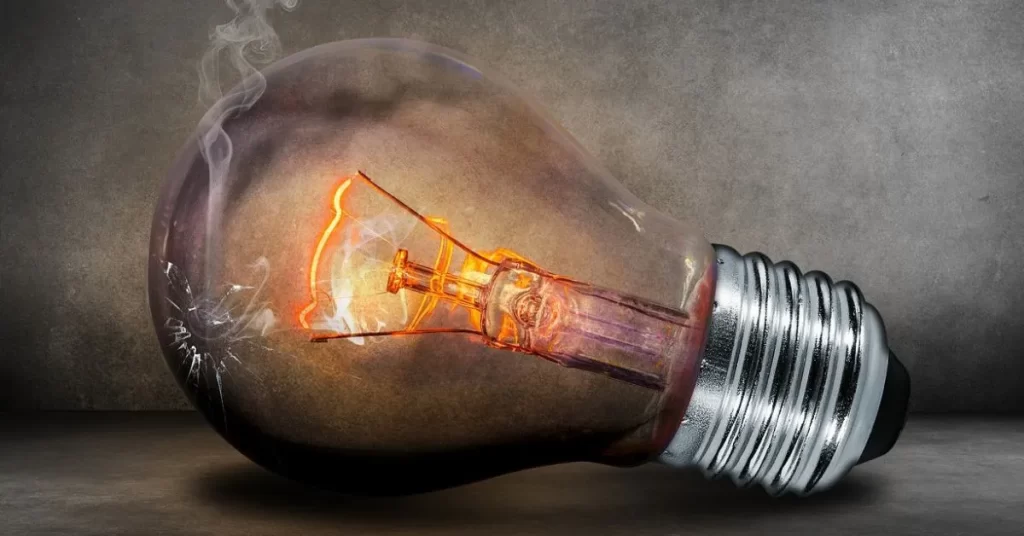
39: INERT ENVIRONMENT (A) Replace a normal environment with an inert one (B) Introduce a neutral substance or inert additives into an object (or system) or its environment (C) Carry out process (partially or fully)  in a neutral or natural or calm or non-distractive or unbiased (free from undesired elements) environment. EXAMPLE : Electric Bulbs (using Argon), Sound Absorbing Panels, Dampers, using fire retarding substances in or around objects prone to fire, Increasing the volume of powdered detergent by adding inert ingredients, Electron-beam welding in vacuum, Vacuum Packing SYNONYMS: Calm Environment, Inert Atmosphere, Design for Environmental Sustenance ACB: “Inert Environment” principle refers to the concept of isolating a system or component from its external environment, particularly from factors that might negatively affect its performance or functionality. The term “inert” in this context implies an environment that does not introduce unwanted or disruptive elements into the system. The principle suggests creating conditions where a system or component is shielded or isolated from external influences that could have a detrimental impact. This could include protection from extreme temperatures, corrosive substances, electromagnetic interference, and other harmful factors. For Instance:  Traditional incandescent light bulbs typically contain a filament made of tungsten enclosed in a glass bulb filled with an inert gas. The inert gas used in incandescent bulbs is usually argon. The purpose of the inert gas is to slow down the evaporation of the tungsten filament and extend the lifespan of the bulb. The filament in incandescent bulbs is made of tungsten. When the bulb is turned on, the filament heats up due to the flow of electric current. As the tungsten filament heats up, it becomes incandescent, emitting visible light. However, tungsten has a high melting point, and under normal conditions, it would evaporate quickly. To address the evaporation issue, the bulb is filled with an inert gas, commonly argon. Argon is chemically inert, meaning it doesn’t readily react with other elements, and it helps slow down the evaporation of the tungsten filament. The presence of the inert gas helps to maintain the integrity of the tungsten filament, allowing the incandescent bulb to have a longer lifespan compared to a vacuum-sealed bulb. By introducing neutral substances or additives into objects, engineers and designers can enhance their properties, protect them from environmental factors, and extend their lifespan, improving their overall performance and durability. Introducing a neutral substance or additives into an object involves incorporating inert, protective, or antioxidant coatings or additives to enhance the object’s properties or protect it from external factors. Here’s how this process works:  Identify Object and Requirements: Determine the object or material that requires enhancement or protection and identify the specific requirements or challenges it faces. This could include factors such as corrosion, oxidation, wear and tear, or exposure to harsh environments. Select Neutral Substance or Additives: Choose neutral substances or additives that are compatible with the object’s composition and properties, as well as with the desired application requirements. Examples include inert gases (such as nitrogen or argon), protective coatings (such as polymer coatings or metal plating), or antioxidant additives (such as stabilizers or inhibitors). Design Application Method: Determine the most suitable method for applying the chosen substance or additives to the object. This could involve techniques such as spraying, dipping, brushing, or incorporating additives during manufacturing processes. Apply Coatings or Additives: Apply the selected coatings or additives to the object according to the chosen application method. Ensure thorough coverage and adherence to the object’s surface to achieve the desired level of protection or enhancement. Monitor Performance: Monitor the performance of the object over time to assess the effectiveness of the applied coatings or additives. This may involve conducting tests, inspections, or evaluations to measure factors such as corrosion resistance, oxidation resistance, wear resistance, or other relevant properties. Iterate and Improve: Based on the performance evaluation, make any necessary adjustments or improvements to the coating or additive formulation, application method, or other factors to optimize the object’s performance and durability. Examples of how this principle can be applied include: Protective Coatings: Applying a polymer coating to metal surfaces to prevent corrosion or oxidation, such as using epoxy coatings on steel structures exposed to harsh environments. Inert Gas Atmospheres: Introducing inert gases, such as nitrogen or argon, into storage containers or packaging to displace oxygen and prevent oxidation or spoilage of sensitive materials or products. Antioxidant Additives: Incorporating antioxidant additives into plastics, polymers, or lubricants to inhibit degradation caused by exposure to heat, light, or oxygen, prolonging their lifespan and performance. Creating an inert environment is essential in situations where the presence of reactive elements could lead to product degradation, safety hazards, or interference with desired processes. Inert atmospheres are carefully controlled to maintain stability and prevent chemical reactions that could impact the quality or integrity of materials.An inert environment refers to a space or atmosphere that lacks chemically reactive elements or substances. In such an environment, the presence of reactive gases or elements is minimized or entirely eliminated to prevent undesired chemical reactions. The term “inert” is used to describe substances or environments that do not readily react with other substances under normal conditions. An inert environment typically involves the absence or minimal presence of chemically reactive gases such as oxygen, which is known to support combustion and oxidation reactions. The goal of creating an inert environment is to prevent or minimize undesired chemical reactions. This is particularly important in situations where reactive substances need to be protected or where specific processes require a controlled and stable environment.  Inert gases, such as nitrogen, argon, and helium, are commonly used to create inert atmospheres. These gases are chemically stable and do not readily react with other substances under normal conditions. In the food packaging industry, inert environments are created using gases like nitrogen or carbon dioxide to extend the shelf life of perishable goods by reducing oxidation and spoilage. Inert gases such as argon are used in welding to prevent oxidation of metals during the welding process. Some chemical reactions require inert environments to ensure the purity of the reaction and prevent unintended side reactions. In the production of electronic