
KANWAL RAI

Everest Bases Camp In Pictures

EBC Starting your day trip from Täsch, you can efficiently visit both the Matterhorn Glacier Paradise and Gornergrat in a single day. Here’s a detailed itinerary to help you make the most of your experience: Morning: Täsch to ZermattDeparture: Catch the Zermatt Shuttle Train from Täsch. Trains depart approximately every 15–20 minutes, starting as early as 05:55 AM. The journey takes about 12 minutes. Arrive at Zermatt Station, which is conveniently located near the departure points for both attractions. Matterhorn Glacier Paradise (Morning)From Zermatt, take the Matterhorn Express gondola to Trockener Steg, then transfer to the 3S cable car to reach the Matterhorn Glacier Paradise.  Cable cars operate year-round, typically from 9:00 AM to 4:00 PM. You can reach the Matterhorn Glacier Paradise directly from Zermatt via a series of gondola and cable car rides—there is no train service to the summit. There are two main gondola routes to reach the summit at Klein Matterhorn (3,883 meters).  (1) Direct Route (Faster): Zermatt → Furi: 7-minute gondola ride. Furi → Trockener Steg: 10-minute gondola ride. Trockener Steg → Matterhorn Glacier Paradise: 11-minute ride on the Matterhorn Glacier Ride, the highest 3S cableway in the world. This route is efficient and offers stunning views, especially on the final leg. Note that children under 3 years old are not permitted on the final segment due to altitude concerns . (2). Scenic Route via Schwarzsee (More Panoramic):  Zermatt → Furi: 7-minute gondola ride. Furi → Schwarzsee: 8-minute gondola ride. Schwarzsee → Trockener Steg: 9-minute gondola ride. Trockener Steg → Matterhorn Glacier Paradise: 8-minute ride. This route allows for a stop at Schwarzsee, offering unique perspectives of the Matterhorn and opportunities for photography . The journey is both scenic and efficient, taking approximately 40 to 45 minutes in total, depending on the route and transfer times. Explore the Glacier Palace. Enjoy panoramic views from the observation deck. Panoramic vistas of 38 Alpine peaks across Switzerland, Italy, and France. Visit the Cinema Lounge for informative films. Allocate approximately 2 hours for this visit. Operating hours may vary, so it’s advisable to check the latest schedule before your visit. Gornergrat (Afternoon)Visitors often take the cogwheel train (Europe’s highest open-air railway) from Zermatt to the summit. The ride itself offers breathtaking views.  The cogwheel train is the highest open-air railway in Europe. The ride provides spectacular views of the Matterhorn, Gorner Glacier, and surrounding 4,000-meter peaks. Return to Zermatt and board the Gornergrat Railway from the station directly opposite the main train station. Enjoy the scenic cogwheel train ride to the summit. Take in the 360-degree panoramic views of the Alps. Visit the highest alpine garden in Europe and Riffelsee Lake. Spend about 1.5 to 2 hours at the summit.  Trains run every 24 to 35 minutes, with the last descent varying by season. Numerous trails start or end at Gornergrat, including easy panoramic walks and more challenging alpine hikes. You might see marmots, ibex, and other alpine animals, especially in the summer months. The “Five Lakes Walk” is a popular trail offering reflections of the Matterhorn in mountain lakes. The clear skies and high altitude make Gornergrat an excellent spot for stargazing. There’s even an astronomical observatory (Gornergrat South Observatory).  There is a virtual paragliding experience available near Zermatt called “Zooom the Matterhorn”, located at the Gornergrat summit. This immersive attraction allows visitors to simulate a paragliding flight around the Matterhorn without leaving the ground. At “Zooom the Matterhorn,” you can embark on a simulated paragliding journey: Sit in specially designed chairs that mimic the sensation of flight. Wear virtual reality headsets that provide a 360° view of the alpine landscape. Use hand controls to steer your virtual paraglider, giving you the feeling of piloting through the skies. This experience offers breathtaking views of green meadows, rugged rocks, and majestic mountain ridges, culminating in a virtual circle around the Matterhorn’s summit cross at 4,478 meters above sea level. The Kulmhotel Gornergrat, also known as the 3100 Kulmhotel Gornergrat, is the highest hotel in the Swiss Alps, situated at an elevation of 3,100 meters (10,170 feet) above sea level on the Gornergrat ridge near Zermatt, Switzerland. Established in 1910, it offers guests unparalleled panoramic views of iconic peaks such as the Matterhorn and Monte Rosa, as well as 29 other summits exceeding 4,000 meters.  The hotel boasts 22 rooms, each named after a nearby 4,000-meter peak. Rooms are furnished with natural materials and offer views of either the Matterhorn or Monte Rosa massif.  The hotel houses two observatories, one in each of its towers. The southern tower was home to the KOSMA (Kölner Observatorium für SubMillimeter Astronomie) telescope, while the northern tower hosted the Gornergrat Infrared Telescope (TIRGO). These facilities have contributed to significant astronomical research. The hotel is accessible via the Gornergrat Railway, a cogwheel train that ascends from Zermatt to the summit station located approximately 100 meters from the hotel. Near the hotel, there’s a large viewing terrace open year-round. You get panoramic views of 29 peaks over 4,000 m, including the Matterhorn, Dufourspitze (Switzerland’s highest peak), and the Gorner Glacier. Recommendation: Consider purchasing the Peak2Peak Pass, which includes: Access to Matterhorn Glacier Paradise. Ride on the Gornergrat Railway. Use of the Matterhorn Express gondola. This pass offers a convenient and cost-effective way to experience both attractions in one day. Always check the weather forecast, as conditions can change rapidly in the mountains. Dress in layers to accommodate varying temperatures. Purchase tickets in advance to save time. Starting early ensures you have ample time to enjoy both attractions without feeling rushed. By following this itinerary, you’ll be able to experience the highlights of both the Matterhorn Glacier Paradise and Gornergrat in a single day, starting from Täsch. Incorporating a hike into your visit to Gornergrat is highly recommended, especially if you’re keen on experiencing the alpine landscapes up close. One popular option is to hike downhill from the Gornergrat summit to Riffelberg, passing by the picturesque Riffelsee lake. Recommended hike : Gornergrat to Riffelberg via Riffelsee. Starting Point: Gornergrat Summit (3,100 m). Ending Point: Riffelberg Station (2,600 m). Distance: Approximately 4–5 km. Duration: 1.5 to 2.5 hours, depending on pace and photo stops. Elevation Change: Descent of about
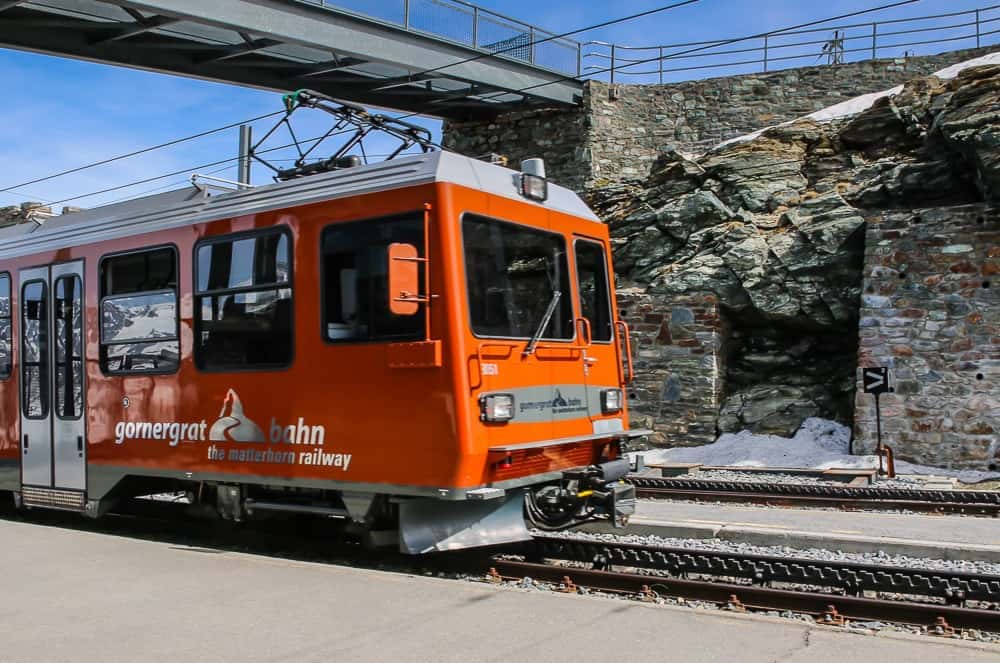
Gornergrat, Zermatt, Switzerland

Gornergrat The Gornergrat is a stunning mountain ridge in the Swiss Alps, located near the resort town of Zermatt in the canton of Valais, Switzerland. It sits at an elevation of 3,089 meters (10,135 feet) and is famous for offering panoramic views of the Matterhorn and more than 20 peaks above 4,000 meters, including Monte Rosa, the highest mountain in Switzerland. Gornergrat Railway (Gornergratbahn) is the highest open-air cogwheel railway in Europe, it takes visitors from Zermatt up to the Gornergrat summit in about 33 minutes. The journey itself is spectacular, winding through alpine forests, rocky slopes, and offering increasingly breathtaking views. The journey  gives one of the best places to view and photograph the Matterhorn, especially at sunrise or sunset. The unobstructed vista is a major draw for photographers and nature lovers. Starting your day trip from Täsch, you can efficiently visit both the Matterhorn Glacier Paradise and Gornergrat in a single day. Here’s a detailed itinerary to help you make the most of your experience: Morning: Täsch to ZermattDeparture: Catch the Zermatt Shuttle Train from Täsch. Trains depart approximately every 15–20 minutes, starting as early as 05:55 AM. The journey takes about 12 minutes. Arrive at Zermatt Station, which is conveniently located near the departure points for both attractions. https://youtu.be/KUAsOYB5Qgohttps://youtu.be/wl-Hk_ph5IIhttps://youtu.be/YGvz93Mrsyk Matterhorn Glacier Paradise (Morning)From Zermatt, take the Matterhorn Express gondola to Trockener Steg, then transfer to the 3S cable car to reach the Matterhorn Glacier Paradise.  Cable cars operate year-round, typically from 9:00 AM to 4:00 PM. You can reach the Matterhorn Glacier Paradise directly from Zermatt via a series of gondola and cable car rides—there is no train service to the summit. There are two main gondola routes to reach the summit at Klein Matterhorn (3,883 meters).  (1) Direct Route (Faster): Zermatt → Furi: 7-minute gondola ride. Furi → Trockener Steg: 10-minute gondola ride. Trockener Steg → Matterhorn Glacier Paradise: 11-minute ride on the Matterhorn Glacier Ride, the highest 3S cableway in the world. This route is efficient and offers stunning views, especially on the final leg. Note that children under 3 years old are not permitted on the final segment due to altitude concerns . (2). Scenic Route via Schwarzsee (More Panoramic):  Zermatt → Furi: 7-minute gondola ride. Furi → Schwarzsee: 8-minute gondola ride. Schwarzsee → Trockener Steg: 9-minute gondola ride. Trockener Steg → Matterhorn Glacier Paradise: 8-minute ride. This route allows for a stop at Schwarzsee, offering unique perspectives of the Matterhorn and opportunities for photography . The journey is both scenic and efficient, taking approximately 40 to 45 minutes in total, depending on the route and transfer times. Explore the Glacier Palace. Enjoy panoramic views from the observation deck. Panoramic vistas of 38 Alpine peaks across Switzerland, Italy, and France. Visit the Cinema Lounge for informative films. Allocate approximately 2 hours for this visit. Operating hours may vary, so it’s advisable to check the latest schedule before your visit.  The first cable car to Schwarzsee started operation in 1956. In 1962, the Furgg-Schwarzsee link opened, followed by the Furi-Trockener Steg cable car in 1965. Finally, the Trockener Steg-Klein Matterhorn cable car began service in 1979. Ever since, Zermatt has been home to Europe’s highest cable car (3,883 m), created for visitors from all over the world. Gornergrat (Afternoon)Visitors often take the cogwheel train (Europe’s highest open-air railway) from Zermatt to the summit. The ride itself offers breathtaking views.  The cogwheel train is the highest open-air railway in Europe. The ride provides spectacular views of the Matterhorn, Gorner Glacier, and surrounding 4,000-meter peaks. Return to Zermatt and board the Gornergrat Railway from the station directly opposite the main train station. Enjoy the scenic cogwheel train ride to the summit. Take in the 360-degree panoramic views of the Alps. Visit the highest alpine garden in Europe and Riffelsee Lake. Spend about 1.5 to 2 hours at the summit.  Trains run every 24 to 35 minutes, with the last descent varying by season. Numerous trails start or end at Gornergrat, including easy panoramic walks and more challenging alpine hikes. You might see marmots, ibex, and other alpine animals, especially in the summer months. The “Five Lakes Walk” is a popular trail offering reflections of the Matterhorn in mountain lakes. The clear skies and high altitude make Gornergrat an excellent spot for stargazing. There’s even an astronomical observatory (Gornergrat South Observatory).  There is a virtual paragliding experience available near Zermatt called “Zooom the Matterhorn”, located at the Gornergrat summit. This immersive attraction allows visitors to simulate a paragliding flight around the Matterhorn without leaving the ground. At “Zooom the Matterhorn,” you can embark on a simulated paragliding journey: Sit in specially designed chairs that mimic the sensation of flight. Wear virtual reality headsets that provide a 360° view of the alpine landscape. Use hand controls to steer your virtual paraglider, giving you the feeling of piloting through the skies. This experience offers breathtaking views of green meadows, rugged rocks, and majestic mountain ridges, culminating in a virtual circle around the Matterhorn’s summit cross at 4,478 meters above sea level. The Kulmhotel Gornergrat, also known as the 3100 Kulmhotel Gornergrat, is the highest hotel in the Swiss Alps, situated at an elevation of 3,100 meters (10,170 feet) above sea level on the Gornergrat ridge near Zermatt, Switzerland. Established in 1910, it offers guests unparalleled panoramic views of iconic peaks such as the Matterhorn and Monte Rosa, as well as 29 other summits exceeding 4,000 meters.  The hotel boasts 22 rooms, each named after a nearby 4,000-meter peak. Rooms are furnished with natural materials and offer views of either the Matterhorn or Monte Rosa massif.  The hotel houses two observatories, one in each of its towers. The southern tower was home to the KOSMA (Kölner Observatorium für SubMillimeter Astronomie) telescope, while the northern tower hosted the Gornergrat Infrared Telescope (TIRGO). These facilities have contributed to significant astronomical research. The hotel is accessible via the Gornergrat Railway, a cogwheel train that ascends from Zermatt to the summit station located approximately 100 meters from the hotel. Near the hotel, there’s a large viewing terrace open year-round. You get panoramic views of 29 peaks over 4,000 m, including the Matterhorn, Dufourspitze

Hiroshima, Japan

Hiroshima Hiroshima is a city located in the western part of Japan, on the island of Honshu. It is best known for being the target of the world’s first atomic bomb attack on August 6, 1945, during World War II. The bombing devastated the city and resulted in widespread destruction, loss of life, and long-term effects on the survivors. Despite this tragic history, Hiroshima has emerged as a resilient city that is dedicated to promoting peace, reconciliation, and nuclear disarmament. The Peace Memorial Park, located at the epicenter of the atomic bomb blast, serves as a poignant reminder of the devastating impact of nuclear warfare. The park contains various memorials, monuments, and museums, including the Atomic Bomb Dome, which stands as a UNESCO World Heritage Site and a symbol of peace. In addition to its historical significance, Hiroshima is a vibrant and modern city with a rich cultural heritage. Visitors can explore its many attractions, including Hiroshima Castle, Shukkeien Garden, and the Hiroshima City Museum of Contemporary Art. The city is also known for its culinary delights, including Hiroshima-style okonomiyaki (a savory pancake), oysters, and local sake. Hiroshima’s commitment to peace and its efforts to promote nuclear disarmament make it a significant destination for visitors seeking to learn about the consequences of war and the importance of peacebuilding. Despite its tragic past, Hiroshima has become a symbol of hope and resilience, serving as a testament to the power of reconciliation and the human spirit. Hiroshima offers a combination of historical, cultural, and natural attractions.  Peace Memorial Park park is dedicated to the memory of the atomic bombing of Hiroshima. It contains several memorials, including the Peace Memorial Museum, the Atomic Bomb Dome (Genbaku Dome), and the Children’s Peace Monument. The shinkansen is the fastest and most convenient option for traveling from Tokyo to Hiroshima, offering a comfortable and efficient journey with the added benefit of scenic views along the way. However, depending on your preferences and budget, flying or taking a highway bus are also viable alternatives for reaching Hiroshima from Tokyo. There are several convenient ways to travel from Tokyo to Hiroshima, including by train, plane, and bus:  Shinkansen (Bullet Train): The most popular and efficient way to travel from Tokyo to Hiroshima is by taking the shinkansen, Japan’s high-speed bullet train. From Tokyo Station, you can board the shinkansen on the Tokaido/Sanyo Shinkansen Line bound for Hiroshima. The trip takes approximately 4 to 5 hours, depending on the train type. The Nozomi and Sakura trains are the fastest options, while the Hikari and Kodama trains make more frequent stops along the route. It’s advisable to make a reservation for your shinkansen ticket in advance, especially during peak travel times.  Domestic Flights: Another option is to fly from Tokyo to Hiroshima. Several domestic airlines operate flights between Haneda Airport (Tokyo) and Hiroshima Airport. Flight times are relatively short, typically around 1.5 to 2 hours, making this a convenient option for travelers who prefer air travel. Keep in mind that you’ll need to factor in additional time for getting to and from the airports, as well as for check-in and security procedures.  Highway Bus: If you’re looking for a more budget-friendly option, you can consider taking a highway bus from Tokyo to Hiroshima. Highway buses depart from various locations in Tokyo, including Shinjuku, Tokyo Station, and Shibuya, and arrive at the Hiroshima Bus Center. The journey by bus takes longer compared to the shinkansen or flights, typically around 11 to 12 hours, but it can be a more economical choice for budget-conscious travelers. It’s advisable to book your bus ticket in advance, especially during peak travel seasons. https://youtu.be/SYUqr5wQMXUhttps://youtu.be/NKy9QEOAEJEhttps://youtu.be/ai3pUOSmSIQ Hiroshima Castle, also known as Carp Castle, Hiroshima Castle is a reconstructed castle that offers a glimpse into Japan’s feudal history. Visitors can explore the castle grounds, exhibitions, and enjoy panoramic views of the city from the top floor. Shukkeien Garden is a traditional Japanese garden is known for its tranquil beauty and meticulous landscaping. Visitors can stroll through winding paths, admire the seasonal flowers, and relax by the pond. Hiroshima Museum of Art showcases a diverse collection of Japanese and Western art, including paintings, ceramics, and sculptures. It features works by renowned artists such as Monet, Renoir, and Picasso. Hiroshima Orizuru Tower is an observation tower offers panoramic views of Hiroshima city and beyond. Visitors can also participate in origami (paper folding) workshops and create paper cranes, a symbol of peace. Hiroshima is known for its unique culinary specialties, including Hiroshima-style okonomiyaki (savory pancake), Hiroshima-style tsukemen (dipping noodles), and fresh seafood such as oysters and grilled eel. Nagarekawa offers a lively and dynamic atmosphere with something to suit every taste, whether you’re looking to explore Hiroshima’s nightlife, enjoy a delicious meal, or shop for souvenirs. It’s a vibrant district that showcases the city’s diverse cultural offerings and is worth exploring during your visit to Hiroshima. agarekawa is located in the heart of Hiroshima and is known for its bustling nightlife, entertainment, and dining scene. Nagarekawa is one of the major entertainment districts in Hiroshima, with numerous bars, clubs, and izakayas (Japanese-style pubs) lining its streets. It’s a popular destination for locals and visitors alike to enjoy drinks, music, and socializing well into the night. The district is home to a wide variety of restaurants serving Japanese cuisine, including izakayas, sushi bars, yakitori (grilled chicken skewers) joints, and ramen shops. You can also find international cuisine options, such as Italian, Korean, and Chinese restaurants. Nagarekawa offers shopping opportunities ranging from small boutique stores to larger department stores. Visitors can browse for fashion items, accessories, souvenirs, and more in the area’s shops and malls. In addition to bars and restaurants, Nagarekawa features entertainment venues such as karaoke bars, live music venues, and theaters. Visitors can enjoy performances, concerts, and cultural events throughout the year. Nagarekawa is conveniently located in central Hiroshima, making it easily accessible by public transportation. It’s within walking distance of major attractions such as Hiroshima Peace Memorial Park, Hiroshima Castle, and Shukkeien Garden.  Hiroshima, known for its rich history and vibrant culture, also boasts a diverse and delicious culinary scene. Hiroshima-style Okonomiyaki: Hiroshima-style okonomiyaki is

Kyoto, Japan – III

2: samurai and ninja museum The Samurai and Ninja Museum in Kyoto is a popular tourist attraction that offers visitors the opportunity to learn about the history, culture, and traditions of Japan’s iconic samurai warriors and stealthy ninja agents. Location: The museum is located in the heart of Kyoto, close to popular tourist destinations such as Nijo Castle and the Kyoto Imperial Palace. Its central location makes it easily accessible by public transportation. The museum features exhibits showcasing a wide range of artifacts, weapons, armor, and tools used by samurai and ninja throughout Japan’s history. Visitors can see authentic swords, helmets, armor, shuriken (throwing stars), and other historical items up close. One of the highlights of the museum is the opportunity to participate in interactive demonstrations led by knowledgeable staff members. Visitors can learn about samurai swordsmanship techniques, ninja stealth tactics, and traditional martial arts skills.  The museum offers hands-on experiences where visitors can dress up in traditional samurai or ninja attire and pose for photos. This immersive experience allows guests to step into the shoes of these legendary warriors and learn about their lifestyle and customs. The museum provides educational programs and workshops designed to teach visitors about the history and culture of samurai and ninja in Japan. These programs cover topics such as the code of bushido (samurai chivalry), ninja espionage tactics, and the role of warriors in Japanese society. Visitors can browse a gift shop offering a variety of souvenirs, memorabilia, and traditional Japanese items related to samurai and ninja culture. It’s a great place to find unique gifts and mementos to take home. The museum provides English-language information, signage, and guided tours to accommodate international visitors. English-speaking staff members are available to assist guests and answer questions. The museum aims to create an authentic atmosphere that transports visitors back in time to the feudal era of Japan. From the displays to the interactive experiences, every aspect of the museum is designed to immerse guests in the world of samurai and ninja. The Samurai and Ninja Museum in Kyoto offers an entertaining and educational experience for visitors of all ages, allowing them to delve into the fascinating history and culture of Japan’s legendary warriors. https://youtu.be/pJjzXD2IkvUhttps://youtu.be/ija0FSZtZwIhttps://youtu.be/DdLNYhcyUJE Sumo: Sumo is a traditional Japanese style of wrestling and Japan’s national sport. It has a long history dating back over 1,500 years and is deeply rooted in Shinto rituals and customs. Sumo wrestlers, known as “rikishi,” compete in a ring called a “dohyo” and aim to force their opponent out of the ring or to touch the ground with any part of their body other than the soles of their feet. Sumo tournaments, called “basho,” are held six times a year in various locations across Japan, including Tokyo, Osaka, Nagoya, and Fukuoka. Sumo wrestlers lead highly regimented lives, adhering to strict training regimens and traditional customs. Onsen: Onsen are natural hot springs that are abundant throughout Japan due to the country’s volcanic activity. They are a popular form of relaxation and recreation for both locals and tourists. Japanese onsen culture dates back centuries and is deeply ingrained in Japanese society. Visitors to onsens typically bathe in communal baths segregated by gender, enjoying the therapeutic benefits of the mineral-rich hot spring water. Onsen ryokan (traditional Japanese inns) often offer overnight stays with meals and other amenities, providing guests with a quintessential Japanese hospitality experience. Shodo: Shodo, or Japanese calligraphy, is the art of writing Japanese characters using brush and ink. It is considered one of the highest forms of Japanese art and is valued for its beauty, expressiveness, and meditative qualities. Shodo practitioners, known as “shodoka,” use a variety of brush strokes and techniques to create characters that convey meaning, emotion, and aesthetic harmony. Shodo is deeply rooted in Zen Buddhism and is often practiced as a form of mindfulness and self-expression. Students of shodo typically start by learning basic brush strokes and progress to more complex characters and compositions under the guidance of a master calligrapher. These three aspects of Japanese culture—sumo, onsen, and shodo—offer unique insights into different facets of Japanese tradition, history, and lifestyle. Whether watching a sumo tournament, relaxing in an onsen, or practicing shodo, they provide opportunities for both cultural immersion and personal enrichment. 1: fushimi inari shrine Fushimi Inari Taisha is an iconic Shinto shrine located in Fushimi-ku, Kyoto, Japan. Fushimi Inari Taisha is situated in southern Kyoto, easily accessible by train from Kyoto Station. It’s famous for its thousands of vermillion torii gates that form pathways leading up Mount Inari. The shrine was established in 711 AD, making it one of the oldest Shinto shrines in Japan. It is dedicated to Inari, the Shinto god of rice, agriculture, prosperity, and foxes. Foxes are believed to be Inari’s messengers, and many fox statues can be found throughout the shrine grounds. Torii Gates: Fushimi Inari Taisha is best known for its thousands of torii gates that line the paths leading up the forested Mount Inari. The torii gates are donated by individuals and businesses, and each gate bears the name of the donor. Walking through the torii tunnels is a mesmerizing experience, and visitors can explore the network of trails that wind through the forest. Hiking Trails: The shrine complex encompasses a network of hiking trails that lead to various smaller shrines, pavilions, and viewpoints on Mount Inari. The main trail to the summit takes approximately 2-3 hours round trip, but shorter hikes are also available for those with limited time. Main Shrine Buildings: At the base of the mountain, visitors will find the main shrine buildings, including the Romon Gate, the main hall (honden), and various auxiliary shrines. These buildings are adorned with intricate carvings, colorful paintings, and elaborate architectural details. Cultural Significance: Fushimi Inari Taisha holds significant cultural and religious importance in Japan. It is a popular destination for both tourists and pilgrims, who come to pray for prosperity, success in business, and good fortune. The shrine is especially busy during the New Year’s holiday when thousands of visitors flock to pay

Kyoto, Japan – II

9: KYOTO IMPERIAL PALACE (KYOTO GOSHO) The Kyoto Imperial Palace, known as “Kyoto Gosho” in Japanese, is the former ruling palace of the Emperor of Japan. It is located in the heart of Kyoto, Japan, and served as the imperial residence and administrative center until the capital was moved to Tokyo during the Meiji Restoration in 1869 The Kyoto Imperial Palace has a long history dating back to the Heian Period (794-1185) when Kyoto was established as the capital of Japan. The current palace complex was largely reconstructed in the 19th century following a series of fires and reconstructions. The architecture of the Kyoto Imperial Palace reflects traditional Japanese design and aesthetics. The complex includes various structures such as the Shishinden (Throne Hall), Seiryo-den (Imperial Residence), Omiya Palace, and gardens with ponds and landscaped areas. The palace grounds feature meticulously maintained gardens with paths, trees, and ponds. The gardens are designed in the style of a traditional Japanese strolling garden, providing visitors with a tranquil and scenic environment.  Visitors can explore the Kyoto Imperial Palace through guided tours conducted in Japanese and English. These tours provide insights into the history, architecture, and significance of the palace complex. The Kyoto Imperial Palace is managed by the Imperial Household Agency, which oversees the maintenance and preservation of imperial properties and facilitates official ceremonies and events. While some areas of the palace grounds are restricted for official use, certain areas are open to the public for visitation. Visitors can enter the palace complex through designated entrances and explore designated areas during scheduled tour times. The Kyoto Imperial Palace serves as the venue for various imperial ceremonies and events, including enthronement ceremonies, New Year’s greetings by the Emperor, and other official functions. The Kyoto Imperial Palace is situated in a central location within Kyoto, making it easily accessible from other attractions such as Nijo Castle, Nishiki Market, and Gion district. Visiting the Kyoto Imperial Palace provides visitors with a unique opportunity to learn about Japan’s imperial history, experience traditional architecture and gardens, and appreciate the cultural significance of the site within the context of Kyoto’s rich heritage. https://youtu.be/E0RGeDPQ0NAhttps://youtu.be/kAx6yRuSeNQhttps://youtu.be/z0TbiJyUb8E 8: KYOTO TOWER Kyoto Tower is a significant landmark located in Kyoto, Japan. Standing at 131 meters (430 feet) tall, it is one of the tallest structures in the city and offers panoramic views of Kyoto and its surroundings. The tower was completed in 1964, just in time for the Tokyo Olympics, and serves not only as an observation tower but also as a telecommunications tower. It is situated near Kyoto Station, making it easily accessible to visitors. The observation deck provides stunning views of Kyoto’s skyline, particularly during cherry blossom season and autumn when the city’s landscapes are adorned with vibrant colors. Additionally, the tower houses a hotel, restaurants, and a variety of shops, making it a popular destination for tourists and locals alike. Kyoto Tower is a significant landmark located in Kyoto, Japan. Standing at 131 meters (430 feet) tall, it is one of the tallest structures in the city and offers panoramic views of Kyoto and its surroundings. The tower was completed in 1964, just in time for the Tokyo Olympics, and serves not only as an observation tower but also as a telecommunications tower. It is situated near Kyoto Station, making it easily accessible to visitors. The observation deck provides stunning views of Kyoto’s skyline, particularly during cherry blossom season and autumn when the city’s landscapes are adorned with vibrant colors. Additionally, the tower houses a hotel, restaurants, and a variety of shops, making it a popular destination for tourists and locals alike. 7: NISHIKI MARKET Nishiki Market, also known as Nishiki Ichiba, is a bustling traditional food market located in the heart of Kyoto, Japan. It stretches for several blocks and is often referred to as “Kyoto’s Kitchen” due to its wide variety of fresh produce, seafood, meats, spices, and traditional Japanese snacks and sweets. The market has a history dating back several centuries and has long been a vital part of Kyoto’s culinary culture. Visitors to Nishiki Market can explore a plethora of stalls and shops offering an array of local delicacies, including pickles, fresh seafood, sushi, traditional Japanese sweets like mochi and yatsuhashi, as well as kitchenware and cookware. Many of the stalls are family-owned businesses that have been passed down through generations, adding to the market’s authentic and historical charm. Nishiki Market is not just a place to shop for ingredients; it’s also a vibrant cultural experience where visitors can immerse themselves in the sights, sounds, and aromas of traditional Japanese cuisine. It’s a popular destination for both tourists and locals alike, offering a glimpse into Kyoto’s rich culinary heritage. Pontocho is a historic and atmospheric alleyway located in the heart of Kyoto, Japan. It runs parallel to the Kamo River and is renowned for its traditional tea houses, restaurants, bars, and entertainment establishments. Pontocho dates back to the 17th century and has retained much of its traditional charm, making it a popular destination for tourists and locals alike. The narrow, lantern-lit alley is lined with traditional machiya townhouses, many of which have been converted into restaurants and bars. These establishments offer a variety of Japanese cuisine, including kaiseki (multi-course dining), yakitori (grilled skewered chicken), sushi, and more. Some of the restaurants and bars in Pontocho have riverside seating, providing a scenic view of the Kamo River. Pontocho is also known for its geisha culture. Visitors may catch glimpses of geisha and maiko (apprentice geisha) in their traditional attire as they move between tea houses and entertainment venues. Some establishments in Pontocho offer traditional entertainment such as geisha performances, tea ceremonies, and ikebana (flower arranging) demonstrations. In addition to its dining and entertainment offerings, Pontocho has a serene and nostalgic atmosphere, particularly in the evening when the lanterns are lit, creating a magical ambiance. It’s a popular spot for a leisurely stroll or an evening out, offering a taste of traditional Kyoto nightlife and culture. 6: Arashiyama bamboo grove The Arashiyama Bamboo Grove is one

Japan – III

Literary tradition Japan has a rich literary tradition, and there are many excellent books that provide insights into its culture, history, and society. These books represent a diverse range of perspectives on Japan and its culture, making them essential reads for anyone interested in delving deeper into this fascinating country: “The Tale of Genji” by Murasaki Shikibu: Written by a lady-in-waiting in the early 11th century, “The Tale of Genji” is considered the world’s first novel. It offers a vivid portrayal of court life in Heian-era Japan and explores themes of love, ambition, and human nature. “Hiroshima” by John Hersey: This non-fiction book tells the story of six survivors of the atomic bombing of Hiroshima in 1945. It offers a harrowing account of the devastation caused by the bomb and its aftermath, as well as the resilience of the human spirit. “Snow Country” by Yasunari Kawabata: This novel, winner of the Nobel Prize in Literature, follows the romantic relationship between a Tokyo dilettante and a geisha in a remote hot spring town in snowy northern Japan. It’s a beautifully written exploration of love, longing, and cultural contrasts. “The Wind-Up Bird Chronicle” by Haruki Murakami: Murakami is one of Japan’s most celebrated contemporary authors, and this novel is one of his most acclaimed works. It’s a surreal and labyrinthine tale that weaves together elements of mystery, fantasy, and psychological drama. “A Tale for the Time Being” by Ruth Ozeki: This novel intertwines the stories of a teenage girl in Tokyo and a writer living on a remote island in British Columbia. Through their narratives, the book explores themes of identity, memory, and the interconnectedness of lives across time and space. “In Praise of Shadows” by Jun’ichirō Tanizaki: This essay explores the aesthetics of traditional Japanese culture, focusing on the beauty of shadows, darkness, and imperfection. It offers profound insights into the Japanese appreciation of subtlety and nuance. “Kitchen” by Banana Yoshimoto: This novella and accompanying short story, “Moonlight Shadow,” are poignant explorations of love, loss, and grief. Yoshimoto’s lyrical prose and sensitive portrayal of characters have made this book a beloved classic. “Shogun” by James Clavell: Although written by a Western author, this epic novel set in feudal Japan is a gripping tale of political intrigue, cultural clashes, and samurai warfare. It’s a sprawling saga that immerses readers in the world of 17th-century Japan. “The Japanese Mind: Understanding Contemporary Japanese Culture” by Roger J. Davies and Osamu Ikeno: For those interested in understanding Japanese culture, this book provides valuable insights into the historical, social, and psychological factors that shape Japanese society. “Lost Japan” by Alex Kerr: In this memoir, Kerr, an American who has lived in Japan for decades, offers a thought-provoking reflection on the changes and challenges facing traditional Japanese culture in the modern world. References sdad

Japan – II

shinkansen The Shinkansen ( ’new main line’), colloquially known in English as the bullet train, is a network of high-speed railway lines in Japan. Initially, it was built to connect distant Japanese regions with Tokyo, the capital, to aid economic growth and development. Beyond long-distance travel, some sections around the largest metropolitan areas are used as a commuter rail network. It is owned by the Japan Railway Construction, Transport and Technology Agency and operated by five Japan Railways Group companies. References:  1: https://www.jrailpass.com/shinkansen-bullet-trains 2: https://japantravel.navitime.com/en/ Japan have several high-speed train lines, commonly known as “Shinkansen” or bullet trains:1: Tokaido Shinkansen (Tokyo – Shin-Osaka) : This was the first Shinkansen line, connecting Tokyo to Osaka, with major stops including Yokohama, Nagoya, Kyoto, and Shin-Osaka. The Tokaido Shinkansen is one of Japan’s most important and busiest high-speed railway lines, connecting Tokyo, the capital city, with Osaka, one of Japan’s largest cities. The Tokaido Shinkansen runs along the eastern coast of Honshu, Japan’s main island, connecting Tokyo Station in the east with Shin-Osaka Station in the west. It passes through or near major cities such as Yokohama, Nagoya, and Kyoto. The Tokaido Shinkansen was the world’s first high-speed railway line, opening in 1964 just in time for the Tokyo Olympics. Its opening marked a significant milestone in Japan’s transportation history. Initially, the line was served by the original 0 series Shinkansen trains. Over the years, newer generations of trains have been introduced, including the current N700 and N700A series. The Tokaido Shinkansen offers several categories of service, including the fastest Nozomi trains, followed by Hikari and Kodama trains. Nozomi trains provide the fastest service, with fewer stops between Tokyo and Shin-Osaka, making them the preferred choice for travelers seeking the quickest journey. Hikari trains make more stops than Nozomi trains but still offer relatively fast service, while Kodama trains make stops at all stations along the route, catering to local and regional travelers. The Tokaido Shinkansen is known for its high speeds, with trains reaching maximum speeds of up to 285 km/h (177 mph) on certain sections of the line. Nozomi trains, with their limited stops, can achieve some of the fastest travel times between Tokyo and Osaka, completing the journey in about 2 hours and 30 minutes.  The Tokaido Shinkansen line features advanced railway technology, including dedicated tracks, signaling systems, and safety measures to ensure efficient and safe operation at high speeds. The latest generations of Shinkansen trains on the line, such as the N700 and N700A series, incorporate aerodynamic designs and advanced technologies for improved performance and passenger comfort. Tokaido Shinkansen is a vital transportation artery in Japan, facilitating fast, efficient, and reliable travel between Tokyo and Osaka, as well as other cities along its route.2: San’yō Shinkansen (Shin-Osaka – Hakata) : An extension of the Tokaido Shinkansen, it runs from Shin-Osaka to Hakata in Fukuoka, passing through cities such as Okayama and Hiroshima. The San’yō Shinkansen is a high-speed railway line in Japan, connecting the cities of Osaka and Fukuoka. The San’yō Shinkansen runs through western Japan, linking Shin-Osaka Station in Osaka Prefecture with Hakata Station in Fukuoka Prefecture It passes through major cities such as Kobe, Okayama, Hiroshima, and Kitakyushu along its route. The San’yō Shinkansen opened in stages, with the first segment between Shin-Osaka and Okayama opening in 1972. It was extended to Hakata by 1975. Initially served by the 0 series Shinkansen trains, newer generations of trains, including the 700 series and N700 series, have been introduced over the years.  Like the Tokaido Shinkansen, the San’yō Shinkansen offers multiple categories of service, including Nozomi, Hikari, and Kodama trains. Nozomi trains provide the fastest service with limited stops between Shin-Osaka and Hakata, making them the preferred choice for travelers seeking rapid travel. Hikari trains make more stops than Nozomi trains but still offer high-speed service, while Kodama trains serve all stations along the route. The San’yō Shinkansen allows trains to reach speeds of up to 300 km/h (186 mph) on certain sections of the line. Nozomi trains, with their limited stops and high speeds, offer the fastest travel times between Osaka and Fukuoka, completing the journey in about 2 hours and 30 minutes. The San’yō Shinkansen line features advanced railway infrastructure and technology, including dedicated tracks, signaling systems, and safety measures to support high-speed operation. The newer generations of Shinkansen trains, such as the N700 and N700A series, utilized on the San’yō Shinkansen, incorporate aerodynamic designs and cutting-edge technologies for improved performance and passenger comfort. The San’yō Shinkansen plays a crucial role in facilitating fast, efficient, and reliable travel between the major cities of Osaka and Fukuoka, as well as other destinations along its route in western Japan.3: Tōhoku Shinkansen (Tokyo – Shin-Aomori) : The Tohoku Shinkansen is a high-speed railway line in Japan that connects Tokyo with the Tohoku region, which is located in the northern part of Honshu, the main island of Japan.  The Tohoku Shinkansen runs from Tokyo Station in the capital city to Shin-Aomori Station in Aomori Prefecture, with major stops including Ueno, Omiya, Sendai, and Morioka. It extends further north to Shin-Hakodate-Hokuto Station in Hokkaido, through the Seikan Tunnel, which is the world’s longest undersea tunnel.  The Tohoku Shinkansen opened in stages, with the initial segment between Tokyo and Omiya opening in 1982. It was gradually extended northwards over the years, reaching Shin-Aomori in 2010. The line has seen the introduction of various generations of Shinkansen trains, including the original 200 series, the newer E2 series, and the E5 series, which operates services beyond Shin-Aomori into Hokkaido.  The Tohoku Shinkansen offers several categories of service, including Hayabusa, Hayate, and Yamabiko trains. Hayabusa trains are the fastest category, offering direct service between Tokyo and Shin-Aomori with limited stops. They also continue beyond Shin-Aomori to Shin-Hakodate-Hokuto, providing the quickest travel times to Hokkaido.Hayate and Yamabiko trains make more stops than Hayabusa trains but still provide high-speed service along the Tohoku Shinkansen route. The Tohoku Shinkansen allows trains to reach speeds of up to 320 km/h (199 mph) on certain sections of the line, particularly the newer E5 series trains used for Hayabusa services. Hayabusa trains offer the fastest travel times between Tokyo and Shin-Aomori, completing the journey in around 3 hours, and between

Shibuya, Japan

SHIBUYA (SCRAMBLE) CROSSING Shibuya Crossing, often referred to as the “Scramble Crossing,” is one of Tokyo’s most iconic and busiest pedestrian intersections. Shibuya Crossing is located in the bustling Shibuya district of Tokyo, near Shibuya Station, one of the busiest train stations in Japan. It is surrounded by shopping malls, department stores, restaurants, and entertainment venues, making it a popular destination for locals and tourists alike. Shibuya Crossing is unique for its diagonal pedestrian crossings, which allow people to cross the intersection in multiple directions simultaneously. When the traffic lights turn red, pedestrians flood into the intersection from all sides, creating a mesmerizing spectacle of movement and activity. Shibuya Crossing is often touted as the busiest pedestrian crossing in the world, with thousands of people crossing each time the lights change. The sheer volume of foot traffic and the organized chaos of the crossing have made it a symbol of Tokyo’s energy and dynamism. The surrounding buildings offer elevated vantage points from which visitors can observe and photograph the spectacle of Shibuya Crossing from above. Popular spots for viewing include the Starbucks located on the second floor of the Tsutaya building and the Shibuya Hikarie building. Shibuya Crossing has been featured in numerous films, television shows, and advertisements, both domestically and internationally. Its vibrant atmosphere and iconic imagery have made it a symbol of Tokyo and a must-visit destination for tourists seeking a taste of urban life in Japan. In addition to the crossing itself, Shibuya is known for its vibrant shopping and entertainment scene. Visitors can explore Shibuya’s famous shopping streets, including Center Gai and Takeshita Street, and discover a wide range of shops, cafes, bars, and nightlife venues. Shibuya Crossing is a popular meeting spot for locals and tourists due to its central location and easy accessibility. It serves as a convenient rendezvous point for friends, colleagues, and groups before heading out to explore Shibuya and beyond. Shibuya Crossing is not only a functional pedestrian intersection but also a cultural landmark and tourist attraction that embodies the energy and excitement of Tokyo’s urban landscape. https://youtu.be/RIm2O9STv0ghttps://youtu.be/7uV5RKMflCghttps://youtu.be/MkibTJmaXj0 SHIBUYA SKY Shibuya Sky offers an unforgettable experience for both locals and tourists, allowing them to appreciate the beauty and magnitude of Tokyo from a unique and elevated perspective. Whether it’s for sightseeing, photography, or simply soaking in the awe-inspiring views, Shibuya Sky is a must-visit destination for anyone exploring the vibrant city of Tokyo. Shibuya Sky is an observation deck located in Shibuya, Tokyo, Japan. Situated atop the Shibuya Scramble Square skyscraper, Shibuya Sky offers breathtaking panoramic views of Tokyo and its iconic landmarks.  Location: Shibuya Sky is situated on the upper floors of Shibuya Scramble Square, a multi-purpose complex located near Shibuya Station, one of Tokyo’s busiest transportation hubs. The observation deck occupies floors 45 to 47 of the building. Height: At approximately 229 meters (751 feet) above ground level, Shibuya Sky offers visitors a commanding vantage point from which to admire the sprawling metropolis of Tokyo and its surrounding areas. On clear days, Mount Fuji and other distant landmarks can be seen from the observation deck. 360-Degree Views: Shibuya Sky boasts a unique design that allows visitors to enjoy unobstructed 360-degree views of Tokyo’s skyline. The observation deck features floor-to-ceiling windows, outdoor terraces, and glass floors, providing multiple vantage points for taking in the cityscape. Attractions: In addition to the spectacular views, Shibuya Sky offers various attractions and experiences for visitors to enjoy. These include a cafe serving refreshments and light snacks, interactive exhibits showcasing Tokyo’s landmarks and history, and photo opportunities with Tokyo’s iconic Shibuya Crossing visible from above. Sunset and Night Views: One of the best times to visit Shibuya Sky is during sunset or at night when the city lights illuminate the skyline, creating a mesmerizing backdrop for photography and sightseeing. The observation deck’s extended hours allow visitors to experience Tokyo’s transformation from day to night.  Tickets and Admission: Admission to Shibuya Sky is ticketed, with prices varying depending on the time of day and any additional experiences or amenities included. Visitors can purchase tickets online in advance or at the ticket counter located within Shibuya Scramble Square. https://youtu.be/OxClFeq_Cdkhttps://youtu.be/JxJLIBC7x48https://youtu.be/_J-RbUNoBpA HACHIKO Hachiko, often referred to as “Hachiko the Faithful Dog,” is a legendary Akita dog known for his remarkable loyalty and devotion to his owner. The story of Hachiko has become a symbol of loyalty and friendship in Japanese culture. Hachiko’s story began in the early 1920s when he was adopted by Hidesaburo Ueno, a professor at Tokyo Imperial University. Every day, Hachiko would accompany his owner to Shibuya Station in Tokyo and wait for him to return from work. This routine continued for over a year until May 1925 when Professor Ueno unexpectedly passed away while at work. Despite his owner’s absence, Hachiko continued to wait faithfully at Shibuya Station every day for nearly ten years, hoping for Professor Ueno’s return. His unwavering loyalty touched the hearts of locals, who began to care for him and provide him with food and shelter. Hachiko’s story gained widespread attention after a newspaper article about him was published in 1932. He became a national symbol of loyalty and devotion, and people from all over Japan visited Shibuya Station to see him. In 1934, a bronze statue of Hachiko was erected outside Shibuya Station to honor his loyalty and commemorate his story. The statue has since become a popular meeting spot and a beloved landmark in Tokyo. Hachiko himself passed away in 1935, but his legacy lives on, inspiring countless people around the world with his remarkable tale of loyalty and love. https://youtu.be/GdnpTwB4WI0https://youtu.be/XyBThllPe40https://youtu.be/_J-RbUNoBpA starbucks – reserve roastery The Starbucks Reserve Roastery Tokyo offers a premium and immersive coffee experience that goes beyond the traditional café setting. It’s a destination for coffee lovers to explore, learn, and indulge in high-quality coffee and culinary delights while enjoying the vibrant atmosphere of Tokyo’s Nakameguro neighborhood. The Starbucks Reserve Roastery Tokyo is special for several reasons. Size and Design: It is the largest Starbucks store in Tokyo, spanning over 32,000 square feet across multiple floors. The building itself is architecturally impressive, featuring a modern design with glass walls,

Mt. Fuji, Japan

Mount Fuji is located in Japan and is an iconic and active stratovolcano, standing at 3,776 meters (12,389 feet) tall. Mount Fuji is situated on Honshu Island, specifically within the borders of Yamanashi and Shizuoka Prefectures. It is the highest peak in Japan and is considered one of Japan’s three sacred mountains, along with Mount Tate and Mount Haku. Additionally, Mount Fuji is a UNESCO World Heritage Site and attracts numerous climbers and tourists from around the world each year. Mount Fuji’s combination of natural beauty, cultural significance, outdoor activities, and cultural experiences makes it a must-visit destination for tourists from around the world. Mount Fuji is a popular tourist attraction for several reasons. Mount Fuji holds immense cultural and spiritual significance in Japan. It is considered a sacred site in Shintoism, Japan’s indigenous religion. Many people undertake pilgrimages to the mountain for spiritual reasons, and it has been depicted in numerous works of art, literature, and poetry throughout Japanese history. Mount Fuji’s iconic symmetrical cone shape and picturesque surroundings make it a stunning natural sight to behold. The mountain is particularly beautiful during the cherry blossom season in spring and when covered in snow during the winter months. Mount Fuji offers various climbing routes, catering to both experienced climbers and casual hikers. Climbing Mount Fuji is a popular activity during the summer months when the weather conditions are most favorable. Many tourists aim to reach the summit to witness the breathtaking views of the surrounding landscapes and the sunrise from the peak. Mount Fuji’s majestic presence provides numerous opportunities for photographers to capture stunning images from different vantage points. The mountain serves as a backdrop for many iconic Japanese landscapes, making it a favorite subject for photographers. Visiting Mount Fuji allows tourists to immerse themselves in Japanese culture and traditions. Nearby towns and villages offer authentic Japanese cuisine, hot springs (onsen), traditional ryokan accommodations, and cultural experiences such as tea ceremonies, making it an enriching cultural experience for visitors. https://youtu.be/0zR_TnIkhzchttps://youtu.be/t7YnQgPEo7whttps://youtu.be/EXRDkfoiMqA Reaching Mount Fuji from Tokyo is relatively straightforward, and there are several transportation options available. Here are some common ways to reach Mount Fuji from Tokyo: By Train: Take the JR Tokaido Shinkansen (bullet train) from Tokyo Station to Shin-Fuji Station or Mishima Station. From there, transfer to local trains or buses that will take you to the Fuji Five Lakes area, which is near the base of Mount Fuji. Alternatively, take the JR Chuo Line from Tokyo Station to Otsuki Station. From Otsuki Station, transfer to the Fujikyu Railway and take the Fujisan Limited Express train to Kawaguchiko Station, which is also near the Fuji Five Lakes area. By Bus: Many tour operators and bus companies offer direct bus services from Tokyo to the Fuji Five Lakes area. These buses typically depart from major stations such as Shinjuku Station or Tokyo Station and provide convenient transportation to popular tourist spots around Mount Fuji. By Car: Renting a car is another option for traveling from Tokyo to Mount Fuji. The journey takes approximately 2 to 3 hours, depending on traffic conditions and the specific destination around Mount Fuji. Take the Chuo Expressway or Tomei Expressway and follow the signs for Mount Fuji or the Fuji Five Lakes. Organized Tours: There are many organized day trips and guided tours available from Tokyo to Mount Fuji. These tours often include transportation, guided sightseeing, and sometimes additional activities such as hiking or visiting nearby attractions. Before traveling, it’s essential to check the current transportation schedules, ticket availability, and any travel restrictions or advisories. Additionally, consider the weather conditions and time of year, as visibility of Mount Fuji can vary depending on the season. https://youtu.be/4828J9OtNiYhttps://youtu.be/xBL2p3ctp7whttps://youtu.be/tTaXm_vjNpY When traveling to Mount Fuji by train, the best side to sit on depends on the direction you’re traveling from and your preferences for viewing the mountain. Here are some general guidelines: Tokyo to Mount Fuji (Westbound): If you’re traveling from Tokyo to Mount Fuji (westbound), consider sitting on the right side (seats facing forward). This side of the train typically offers better views of Mount Fuji as you approach the mountain from the east. Mount Fuji to Tokyo (Eastbound): If you’re traveling from Mount Fuji to Tokyo (eastbound), consider sitting on the left side (seats facing forward). This side of the train may provide better views of Mount Fuji as you depart from the mountain and head towards Tokyo.  Summer is also the time when Mount Fuji can be clearly seen from a Shinkansen train leaving Tokyo towards Nagoya – Osaka – Kyoto. The window view is impressive – make sure to reserve your D or E seat (C or D in Green Cars), which is the right side from Tokyo, left side from Kyoto. Keep in mind that visibility of Mount Fuji can vary depending on weather conditions, such as cloud cover or haze. Even if you sit on the recommended side, there’s no guarantee of clear views. Different train lines and routes may offer varying views of Mount Fuji. Research the specific train line you’ll be traveling on to determine the best seating options. If viewing Mount Fuji is a top priority for your journey, consider choosing a transportation option (such as a bus tour or scenic train) that specifically highlights views of the mountain. Ultimately, the best side to sit on for viewing Mount Fuji may vary depending on factors such as weather conditions, train route, and personal preferences. If possible, remain flexible and be prepared to enjoy the scenic views from whichever side of the train offers the best visibility during your journey. There are numerous attractions and points of interest to explore around Mount Fuji. Here are some popular destinations and activities near Mount Fuji: Fuji Five Lakes (Fujigoko): The Fuji Five Lakes region comprises five scenic lakes—Lake Kawaguchi, Lake Yamanaka, Lake Saiko, Lake Shoji, and Lake Motosu—located at the northern base of Mount Fuji. Each lake offers its own unique views of the mountain, as well as opportunities for boating, fishing, and hiking. Lake Ashi (Ashinoko): Lake Ashi is a picturesque crater lake located in Hakone, southwest of Mount Fuji. Visitors can enjoy boat

Kyoto, Japan – I

Kyoto, Japan, is a city steeped in history, culture, and tradition. It served as the imperial capital of Japan for over a thousand years, from 794 until the capital was moved to Tokyo in 1868. As a result, Kyoto is home to numerous temples, shrines, palaces, and gardens, many of which are UNESCO World Heritage Sites. Kyoto is known for its well-preserved historical sites, including the famous Kinkaku-ji (Golden Pavilion), Ginkaku-ji (Silver Pavilion), Kiyomizu-dera Temple, and Fushimi Inari Taisha Shrine, famous for its thousands of torii gates. The city is a center for traditional Japanese culture, including tea ceremonies, kimono wearing, and flower arranging (ikebana). While the emperor and the imperial family moved to Tokyo with the Meiji Restoration in 1868, the Kyoto Imperial Palace remains an important cultural site. Visitors can tour the palace grounds and buildings. Kyoto is a must-visit destination for anyone interested in Japanese history, culture, and tradition. Its timeless beauty and rich heritage continue to enchant visitors from around the world. Visitors can experience these traditions firsthand by participating in workshops or visiting cultural centers. Kyoto is beautiful year-round, but it’s particularly famous for its cherry blossoms in spring and vibrant autumn foliage. The city’s temples and gardens provide stunning backdrops for enjoying these seasonal phenomena. While steeped in tradition, Kyoto is also a modern city with bustling shopping streets, vibrant nightlife, and a thriving arts scene. The city seamlessly blends its historical past with contemporary culture.  Built in the 17th century, Nijo Castle is a UNESCO World Heritage Site and a prime example of feudal castle architecture. Its “nightingale floors” squeak to alert of intruders, and the gardens surrounding the castle are exquisite. Gion is Kyoto’s most famous geisha district, known for its traditional wooden machiya houses and tea houses. Visitors often stroll through Gion in hopes of catching a glimpse of geisha or maiko (apprentice geisha) hurrying to appointments.  Just outside the city center lies the Arashiyama district, famous for its bamboo groves. Walking through these towering bamboo stalks is a serene and picturesque experience. Kyoto is renowned for its traditional cuisine, known as Kyo-ryori, which often emphasizes seasonal ingredients and subtle flavors. Dishes like kaiseki (multi-course meals) and tofu-based dishes are highlights. https://youtu.be/IMjwqUeEOo4https://youtu.be/fjpj0PquGlkhttps://youtu.be/4hNL3agPSvc Kyoto offers a plethora of attractions for tourists, ranging from historical landmarks to cultural experiences. Kinkaku-ji (Golden Pavilion): One of Kyoto’s most iconic sights, Kinkaku-ji is a Zen Buddhist temple with a stunning golden pavilion set amidst a serene pond and lush greenery. Fushimi Inari Taisha: Known for its thousands of vermillion torii gates leading up the mountain, Fushimi Inari Taisha is dedicated to Inari, the Shinto god of rice and prosperity. Visitors can hike through the gates to enjoy panoramic views of Kyoto. Kiyomizu-dera Temple: Perched on a hillside, Kiyomizu-dera offers sweeping views of Kyoto. The temple’s main hall, supported by wooden pillars, is a UNESCO World Heritage Site and a marvel of Japanese architecture. Arashiyama Bamboo Grove: Located in the Arashiyama district, the bamboo grove is a tranquil retreat where visitors can walk through towering bamboo stalks on winding paths. Gion District: Famous for its traditional machiya houses and teahouses, Gion is Kyoto’s geisha district. Visitors can wander its narrow streets, visit historic tea houses, and, if lucky, catch a glimpse of geisha or maiko. Nijo Castle: Built in the 17th century, Nijo Castle is a UNESCO World Heritage Site known for its exquisite gardens, ornate interiors, and “nightingale floors” designed to squeak and alert of intruders. Philosopher’s Path: A scenic walking trail along a canal lined with cherry trees, the Philosopher’s Path is especially beautiful during cherry blossom season, offering a peaceful escape from the city. Ryoan-ji Temple: Famous for its rock garden, Ryoan-ji is a Zen temple known for its minimalist design and tranquil atmosphere. Nishiki Market: Often referred to as “Kyoto’s Kitchen,” Nishiki Market is a bustling covered market offering a wide array of fresh seafood, produce, Kyoto specialties, and traditional snacks. Kyoto Imperial Palace: While the emperor and the imperial family moved to Tokyo in the 19th century, the Kyoto Imperial Palace remains an important cultural site. Visitors can tour the palace grounds and buildings.  10: GION HIGASHIYAMA Gion, Higashiyama (geisha, Kiyomizu-dera, Shirakawa Lane, Kamo river) district is characterized by its well-preserved machiya houses, traditional wooden townhouses with narrow facades and long, deep interiors. Many of these machiya have been converted into restaurants, teahouses, and shops. Kiyomizu-dera Temple: Perched on a hillside, Kiyomizu-dera offers sweeping views of Kyoto. The temple’s main hall, supported by wooden pillars, is a UNESCO World Heritage Site and a marvel of Japanese architecture.  Shirakawa Lane is situated in the heart of the Gion district, Kyoto’s historic geisha district. It is within walking distance of other popular attractions in Gion, such as Hanami-koji Street, where visitors can spot geisha and maiko (apprentice geisha) in their traditional attire. https://youtu.be/v-7j3DInO-Ahttps://youtu.be/8V4F96uyW1Ahttps://youtu.be/B8SzqC888a0 Gion Higashiyama is a historic district in Kyoto, Japan, renowned for its preserved traditional atmosphere, charming streets, and significant cultural landmarks. Gion Higashiyama is one of Kyoto’s most famous geisha districts. Visitors can often spot geisha (known as geiko in Kyoto dialect) or apprentice geisha (maiko) adorned in elegant kimono, hurrying to appointments or performances. The district is characterized by its well-preserved machiya houses, traditional wooden townhouses with narrow facades and long, deep interiors. Many of these machiya have been converted into restaurants, teahouses, and shops. Gion Higashiyama is home to numerous teahouses and restaurants where visitors can experience traditional Japanese cuisine and tea ceremonies. Some establishments offer exclusive opportunities to dine with geisha or watch traditional performances. Located at the eastern end of Shijo-dori, Yasaka Shrine is one of Kyoto’s most prominent Shinto shrines. It is especially popular during festivals such as the Gion Matsuri held in July, one of Japan’s largest and most famous festivals. One of Kyoto’s most important temples, Chion-in is the headquarters of the Jodo sect of Japanese Buddhism. The temple complex features impressive gates, halls, and gardens, including Japan’s largest temple bell. Adjacent to Yasaka Shrine, Maruyama Park is a popular spot for cherry blossom viewing (hanami) in spring. The park’s large weeping cherry tree (shidare-zakura) is illuminated at night during the cherry blossom season, creating a