wisdomhoots

Gornergrat, Zermatt, Switzerland

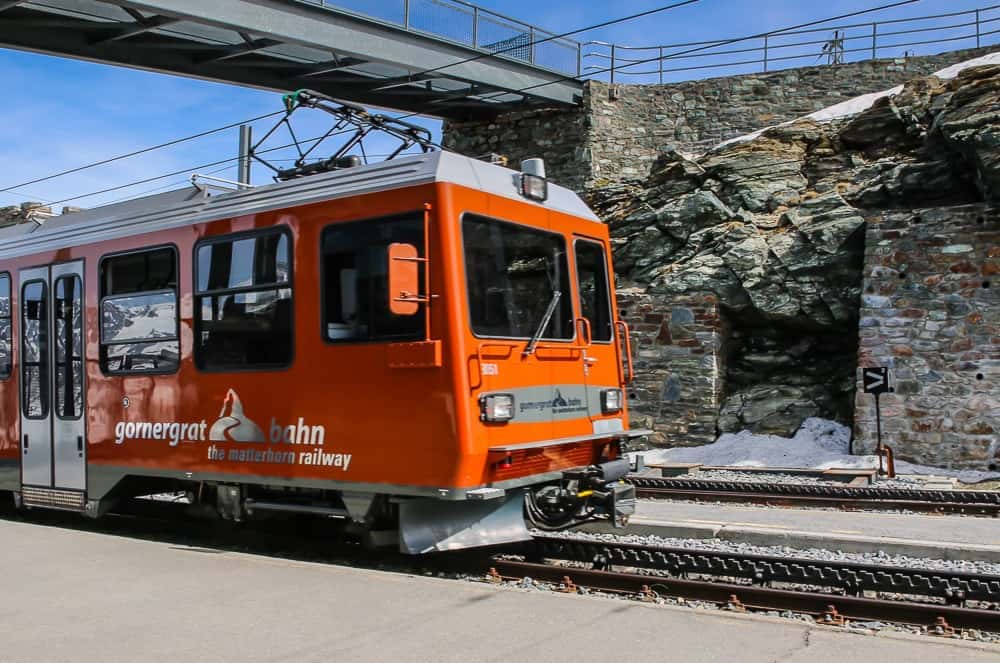
Gornergrat The Gornergrat is a stunning mountain ridge in the Swiss Alps, located near the resort town of Zermatt in the canton of Valais, Switzerland. It sits at an elevation of 3,089 meters (10,135 feet) and is famous for offering panoramic views of the Matterhorn and more than 20 peaks above 4,000 meters, including Monte Rosa, the highest mountain in Switzerland. Gornergrat Railway (Gornergratbahn) is the highest open-air cogwheel railway in Europe, it takes visitors from Zermatt up to the Gornergrat summit in about 33 minutes. The journey itself is spectacular, winding through alpine forests, rocky slopes, and offering increasingly breathtaking views. The journey  gives one of the best places to view and photograph the Matterhorn, especially at sunrise or sunset. The unobstructed vista is a major draw for photographers and nature lovers. Starting your day trip from Täsch, you can efficiently visit both the Matterhorn Glacier Paradise and Gornergrat in a single day. Here’s a detailed itinerary to help you make the most of your experience: Morning: Täsch to ZermattDeparture: Catch the Zermatt Shuttle Train from Täsch. Trains depart approximately every 15–20 minutes, starting as early as 05:55 AM. The journey takes about 12 minutes. Arrive at Zermatt Station, which is conveniently located near the departure points for both attractions. https://youtu.be/KUAsOYB5Qgohttps://youtu.be/wl-Hk_ph5IIhttps://youtu.be/YGvz93Mrsyk Matterhorn Glacier Paradise (Morning)From Zermatt, take the Matterhorn Express gondola to Trockener Steg, then transfer to the 3S cable car to reach the Matterhorn Glacier Paradise.  Cable cars operate year-round, typically from 9:00 AM to 4:00 PM. You can reach the Matterhorn Glacier Paradise directly from Zermatt via a series of gondola and cable car rides—there is no train service to the summit. There are two main gondola routes to reach the summit at Klein Matterhorn (3,883 meters).  (1) Direct Route (Faster): Zermatt → Furi: 7-minute gondola ride. Furi → Trockener Steg: 10-minute gondola ride. Trockener Steg → Matterhorn Glacier Paradise: 11-minute ride on the Matterhorn Glacier Ride, the highest 3S cableway in the world. This route is efficient and offers stunning views, especially on the final leg. Note that children under 3 years old are not permitted on the final segment due to altitude concerns . (2). Scenic Route via Schwarzsee (More Panoramic):  Zermatt → Furi: 7-minute gondola ride. Furi → Schwarzsee: 8-minute gondola ride. Schwarzsee → Trockener Steg: 9-minute gondola ride. Trockener Steg → Matterhorn Glacier Paradise: 8-minute ride. This route allows for a stop at Schwarzsee, offering unique perspectives of the Matterhorn and opportunities for photography . The journey is both scenic and efficient, taking approximately 40 to 45 minutes in total, depending on the route and transfer times. Explore the Glacier Palace. Enjoy panoramic views from the observation deck. Panoramic vistas of 38 Alpine peaks across Switzerland, Italy, and France. Visit the Cinema Lounge for informative films. Allocate approximately 2 hours for this visit. Operating hours may vary, so it’s advisable to check the latest schedule before your visit.  The first cable car to Schwarzsee started operation in 1956. In 1962, the Furgg-Schwarzsee link opened, followed by the Furi-Trockener Steg cable car in 1965. Finally, the Trockener Steg-Klein Matterhorn cable car began service in 1979. Ever since, Zermatt has been home to Europe’s highest cable car (3,883 m), created for visitors from all over the world. Gornergrat (Afternoon)Visitors often take the cogwheel train (Europe’s highest open-air railway) from Zermatt to the summit. The ride itself offers breathtaking views.  The cogwheel train is the highest open-air railway in Europe. The ride provides spectacular views of the Matterhorn, Gorner Glacier, and surrounding 4,000-meter peaks. Return to Zermatt and board the Gornergrat Railway from the station directly opposite the main train station. Enjoy the scenic cogwheel train ride to the summit. Take in the 360-degree panoramic views of the Alps. Visit the highest alpine garden in Europe and Riffelsee Lake. Spend about 1.5 to 2 hours at the summit.  Trains run every 24 to 35 minutes, with the last descent varying by season. Numerous trails start or end at Gornergrat, including easy panoramic walks and more challenging alpine hikes. You might see marmots, ibex, and other alpine animals, especially in the summer months. The “Five Lakes Walk” is a popular trail offering reflections of the Matterhorn in mountain lakes. The clear skies and high altitude make Gornergrat an excellent spot for stargazing. There’s even an astronomical observatory (Gornergrat South Observatory).  There is a virtual paragliding experience available near Zermatt called “Zooom the Matterhorn”, located at the Gornergrat summit. This immersive attraction allows visitors to simulate a paragliding flight around the Matterhorn without leaving the ground. At “Zooom the Matterhorn,” you can embark on a simulated paragliding journey: Sit in specially designed chairs that mimic the sensation of flight. Wear virtual reality headsets that provide a 360° view of the alpine landscape. Use hand controls to steer your virtual paraglider, giving you the feeling of piloting through the skies. This experience offers breathtaking views of green meadows, rugged rocks, and majestic mountain ridges, culminating in a virtual circle around the Matterhorn’s summit cross at 4,478 meters above sea level. The Kulmhotel Gornergrat, also known as the 3100 Kulmhotel Gornergrat, is the highest hotel in the Swiss Alps, situated at an elevation of 3,100 meters (10,170 feet) above sea level on the Gornergrat ridge near Zermatt, Switzerland. Established in 1910, it offers guests unparalleled panoramic views of iconic peaks such as the Matterhorn and Monte Rosa, as well as 29 other summits exceeding 4,000 meters.  The hotel boasts 22 rooms, each named after a nearby 4,000-meter peak. Rooms are furnished with natural materials and offer views of either the Matterhorn or Monte Rosa massif.  The hotel houses two observatories, one in each of its towers. The southern tower was home to the KOSMA (Kölner Observatorium für SubMillimeter Astronomie) telescope, while the northern tower hosted the Gornergrat Infrared Telescope (TIRGO). These facilities have contributed to significant astronomical research. The hotel is accessible via the Gornergrat Railway, a cogwheel train that ascends from Zermatt to the summit station located approximately 100 meters from the hotel. Near the hotel, there’s a large viewing terrace open year-round. You get panoramic views of 29 peaks over 4,000 m, including the Matterhorn, Dufourspitze

Emerging Future and IP – Part 1

Generative AI, a branch of artificial intelligence, is capable of autonomously creating new content, including designs, code, and even inventions. It has seen rapid adoption across industries like software development, drug discovery, and creative fields. While its potential for innovation is undeniable, it presents significant challenges to existing patent laws, especially regarding registration, enforcement, patentability, and ownership. Traditionally, patents have been granted to human inventors who demonstrate novelty, non-obviousness, and utility in their inventions. However, generative AI challenges this norm, as it can independently generate inventions. Questions arise regarding whether an AI-created invention can meet the criteria for patentability.  Patent systems are currently built around human ingenuity, raising concerns about the ability to assess whether an AI-generated invention is truly novel or simply a recombination of existing knowledge. One of the most complex issues is determining the ownership of AI-generated inventions. Patent systems worldwide typically require an individual or group of humans to be named as the inventors. When AI autonomously creates an invention, it raises fundamental legal and ethical questions: Should the AI developer, the user of the AI system, or someone else hold the patent rights? In recent cases like Thaler v. DABUS, courts have rejected the notion of AI as an inventor, insisting that only humans can be named in patent filings. This stance may need reevaluation as AI technology continues to evolve.   The model that generates original outputs is fundamentally an extension of the cognitive efforts and intent of its programmer. The AI system, while capable of creating new content autonomously, has been coded and designed to function in this way by its human developer. Therefore, any outcome produced by the AI can be seen as stemming from the intellectual work of the programmer who created the system. In essence, the AI model is merely a tool—an advanced one, but still an instrument—that reflects the ingenuity and invention of its creator. Consequently, any application or invention generated by the AI should, in theory, be attributed to the inventor of the AI system itself.  The enforcement of patents on AI-generated inventions also presents unique challenges. Patent offices may struggle to validate the originality and non-obviousness of an AI-generated invention due to the speed and volume at which AI systems can produce new designs or products. Additionally, enforcing these patents in the marketplace becomes complex, especially when it is unclear who owns the invention or when multiple entities contribute to its development.  Additionally, it’s crucial to clarify the object of invention in the context of AI. Traditionally, patent law distinguishes between process and product as two separate categories of patentable subject matter. However, in AI, the focus shifts to the model, which represents a blend of both process and product. The AI model is a procedural system that generates products (outputs), combining two dimensions that traditionally exist separately. Given this dual nature, patentability requires a different perspective. The inventive differences in AI should be assessed at the model level, where the true ingenuity lies, rather than at the output level. The outputs, such as text or images, may be better suited for protection under other legal frameworks, like copyright, as they can be independently created without utilizing the specific AI model. This distinction is essential to avoid confusion and ensure that the model, as the core invention, is the focus of patent law, while outputs fall under other intellectual property regimes, like copyright. To address these challenges, patent laws may need to evolve significantly. Legislators and policymakers will likely have to consider creating new frameworks that accommodate AI’s role in invention. These could involve hybrid models of ownership that recognize both human and AI contributions, as well as new standards for patent eligibility. Additionally, global collaboration might be necessary to develop harmonized policies that allow for the protection and enforcement of AI-generated inventions across jurisdictions. As generative AI continues to advance, its impact on the patent system will deepen. Current laws governing registration, enforcement, patentability, and ownership are struggling to keep pace with the technology. Adapting these legal frameworks will be crucial to ensure that innovation flourishes while also maintaining a fair and equitable system for recognizing and protecting inventors—both human and AI-driven. Future of IP: Top 10 changes to expect in the next decade Generative AI refers to a class of artificial intelligence systems designed to generate new, original content. These systems can create text, images, music, and even video based on the data they have been trained on. Unlike traditional AI, which focuses on tasks like classification or prediction, generative AI models produce novel outputs by learning patterns and structures from vast datasets. Key aspects of generative AI include: Models: Generative models like GPT (for text), DALL·E (for images), and others are based on architectures like Generative Adversarial Networks (GANs), Variational Autoencoders (VAEs), and Transformers.  Training Data: These models are trained on large datasets, allowing them to learn from diverse examples and mimic creativity in various domains. Applications: (i) Text generation: AI can generate coherent essays, articles, or even code. (ii) Image creation: Tools like DALL·E can generate realistic or artistic images from text descriptions. (iii) Music and video generation: AI can create music compositions or synthesize video content. (iv) Chatbots and conversational agents: Models like ChatGPT can engage in natural language conversations. Generative AI has potential applications in industries like entertainment, content creation, marketing, design, and more, offering tools for automation and creativity. The future of intellectual property (IP) is evolving rapidly, especially in response to emerging technologies like AI, machine learning, blockchain, and quantum computing. Over the next decade, IP laws and systems are expected to undergo significant changes to adapt to these technological advancements. Here are the top 10 changes to expect in IP:  1. Recognition of AI-Generated Inventions:  Current Situation: Most jurisdictions require human inventors to be listed on patent applications, with AI-generated inventions often facing challenges in being patented. Expected Change: Legal frameworks for AI-generated inventions will evolve, allowing for AI to be recognized as a co-inventor or even the primary inventor in some jurisdictions. This could necessitate new guidelines for determining ownership, authorship, and rights related to

Architecture Vision

Higher Education and Research Institutes – Enterprise Architecture Development Framework (Based on TOGAF) PHASE A: ARCHITECTURE VISION 1:  Establish the Architecture Project Enterprise Architecture as a Business Capability: Enterprise Architecture is considered a core business capability. Each phase of the Architecture Development Method (ADM) should typically be managed as a project according to the organization’s project management framework. Architecture Projects: Architecture projects may be independent or part of a larger project. Regardless, they should be planned and managed using the organization’s established practices. Project Recognition and Endorsement: It is essential to follow procedures to gain formal recognition for the project, obtain approval from corporate management, and secure the necessary support and commitment from line management. Integration with Other Frameworks: The project should reference other management frameworks in use within the organization and clarify how it integrates with these frameworks. Step Details I Supplier: Architecture Sponsor, Project Management Office (PMO) Input: Request for Architecture Work, Organizational Goals, Preliminary Vision Process: – Initiate the architecture project. – Define project structure, governance, and initial objectives. Activities: – Assign roles and responsibilities. – Define preliminary project timelines and deliverables. Control: Project charter, governance structure, budget approval Feedback: Stakeholder feedback on project goals and feasibility Resources: Project managers, architects, governance team Stakeholders: Architecture sponsor, senior management, architecture board, business leads Metrics: Project initiation timeline, stakeholder alignment Risks: Misalignment on scope, inadequate resource allocation Constraints: Budget limitations, resource availability Scope: Limited to establishing project scope and governance Value Addition: Clear understanding of project objectives and governance ensures alignment. Assumptions: Project goals are aligned with organizational strategy, stakeholders are supportive. 1. What is the role of Enterprise Architecture within a business? a) A project management tool b) A core business capability c) A financial management framework d) A marketing strategy Correct Answer: b) A core business capability 2. How should each cycle of the Architecture Development Method (ADM) typically be handled? a) As a routine task b) As a project using the enterprise’s project management framework c) As an independent task without management oversight d) As a part of regular operational activities Correct Answer: b) As a project using the enterprise’s project management framework 3. In what scenarios might architectural activities be conducted? a) Only as stand-alone projects b) Only as part of larger projects c) Both as stand-alone projects and as subsets of larger projects d) Only as routine tasks Correct Answer: c) Both as stand-alone projects and as subsets of larger projects 4. What should be secured for an architecture project according to the best practices? a) Recognition, endorsement, and support from management b) A budget and timeline c) Technical specifications and design documents d) Customer feedback and market analysis Correct Answer: a) Recognition, endorsement, and support from management 5. How should an architecture project relate to other management frameworks within the enterprise? a) It should ignore other frameworks to avoid complexity b) It should reference and explain how it integrates with other management frameworks c) It should focus solely on its own framework without any references d) It should replace existing management frameworks Correct Answer: b) It should reference and explain how it integrates with other management frameworks 2: Identify Stakeholders, Concerns, and Business Requirements Identifying Stakeholders and Business Requirements: Determine the key stakeholders, their concerns, and the essential business requirements that the architecture engagement needs to address. Engaging with stakeholders at this stage aims to achieve three goals: Identify potential vision components and requirements for testing as the Architecture Vision develops. Define scope boundaries to limit the extent of architectural investigation. Understand stakeholder concerns, issues, and cultural factors that will influence how the architecture is presented and communicated. Creation of Stakeholder Map: The main deliverable from this step is a stakeholder map, which outlines the stakeholders involved in the engagement, their level of involvement, and their primary concerns. This map supports the Architecture Vision phase and helps in: Capturing relevant concerns and viewpoints in the Architecture Vision. Identifying stakeholders to form the basis for a Communications Plan. Defining key roles and responsibilities for inclusion in the Statement of Architecture Work. Developing Architecture Views: Determine which architecture views and viewpoints need to be developed to meet stakeholder requirements. Understanding these needs is crucial for setting the engagement’s scope. Documenting and Managing Requirements: During the Architecture Vision phase, document new requirements for future work in the Architecture Requirements Specification. Requirements outside the selected scope should be added to the Requirements Repository for management through the Requirements Management process. Step Details II Supplier: Business leadership, key stakeholders Input: Organizational goals, stakeholder concerns, high-level business requirements Process: – Identify and engage key stakeholders. – Document their concerns, expectations, and requirements. Activities: – Conduct stakeholder interviews. – Define business drivers and goals. Control: Stakeholder management plan, business case Feedback: Regular feedback loops with stakeholders to clarify expectations Resources: Business analysts, architects, stakeholder management tools Stakeholders: Business executives, customers, regulatory authorities Metrics: Stakeholder engagement levels, clarity of requirements Risks: Misunderstanding stakeholder concerns, scope creep Constraints: Stakeholder availability, conflicting interests Scope: Focused on gathering stakeholder concerns and requirements Value Addition: Ensures architecture aligns with business needs and stakeholder expectations. Assumptions: Stakeholders are knowledgeable about business needs and available for input. 1. What is the primary purpose of identifying stakeholders and their concerns in an architecture engagement? a) To create a detailed project budget b) To determine potential vision components and scope boundaries c) To finalize the project timeline d) To select the project team members Correct Answer: b) To determine potential vision components and scope boundaries 2. What is a major deliverable resulting from identifying stakeholders in the architecture engagement? a) A project budget b) A stakeholder map c) A risk management plan d) A technical specification document Correct Answer: b) A stakeholder map 3. What does the stakeholder map help support in the Architecture Vision phase? a) Resource allocation b) Architecture Vision outputs, Communications Plan, and Statement of Architecture Work c) Marketing strategies d) Financial forecasts Correct Answer: b) Architecture Vision outputs, Communications Plan, and Statement of Architecture

Higher Education Business Capability Model

Higher Education and Research Institutes – Enterprise Architecture Framework (Based on HERM) CORE CAPABILITY – TEACHING & LEARNING – CURRICULUM MANAGEMENT 1:  CURRICULUM DESIGN The Teaching & Learning – Curriculum Management (Design) core capability refers to the process of developing and organizing curriculum content within educational institutions. It involves creating, refining, and aligning learning objectives, course materials, and assessments to meet educational standards and the specific needs of learners. Key aspects of Curriculum Management (Design) include: Curriculum Planning: Identifying learning goals, standards, and competencies that students need to achieve within a program or course. Content Development: Designing and selecting appropriate instructional materials, resources, and activities that align with the curriculum goals. Alignment with Standards: Ensuring the curriculum adheres to educational standards (e.g., state or national standards) and integrates essential skills and knowledge for students. Interdisciplinary Integration: Designing curriculum that connects various subject areas or disciplines, promoting a more holistic and integrated learning experience. Assessment Design: Creating assessments (formative and summative) that evaluate student learning and provide insights into the effectiveness of the curriculum. Continuous Improvement: Regularly reviewing and updating the curriculum based on feedback, assessment data, and evolving educational practices. In educational institutions, managing the design of the curriculum often involves collaboration between faculty, instructional designers, and administrators to ensure the curriculum is dynamic, relevant, and effective in meeting the needs of students. 1: CURRICULUM DESIGN – KPIs To measure the effectiveness of Curriculum Management (Design) as a core capability, educational institutions and organizations can use several Key Performance Indicators (KPIs) and metrics. These KPIs assess the quality, alignment, and impact of the curriculum on teaching and learning outcomes. Here are common KPIs for measuring Curriculum Management (Design): 1. Curriculum Alignment with Standards:  Percentage of courses that align with national or state educational standards. Ensures the curriculum meets required benchmarks and regulatory frameworks. 2. Student Learning Outcomes (SLOs) Achievement: Percentage of students meeting or exceeding expected learning outcomes. Measures how well the curriculum prepares students to achieve predefined educational goals. 3. Curriculum Review Cycle Completion:  Percentage of curriculum that is reviewed and updated within a defined cycle (e.g., annually or every 3 years). Ensures the curriculum is regularly evaluated and improved for relevance and effectiveness. 4. Student Engagement with Curriculum: Level of student engagement, often measured by participation rates in curriculum-related activities, course evaluations, or surveys. Reflects how engaging and accessible the curriculum is to students. 5. Teacher and Faculty Satisfaction: Percentage of faculty satisfied with the curriculum design process, as measured through feedback or surveys. Ensures that faculty find the curriculum design process collaborative, useful, and aligned with their teaching goals. 6. Time to Curriculum Approval: Average time taken to approve new courses or curriculum updates. Measures efficiency in the curriculum design and approval process. 7. Use of Instructional Resources: Percentage of courses using institutionally approved instructional resources (e.g., textbooks, digital materials, learning platforms). Ensures that courses are equipped with appropriate and standardized resources for effective teaching. 8. Cost of Curriculum Development: Total cost (or cost per course) of developing or updating curriculum materials. Tracks financial efficiency in the curriculum design process, balancing cost with quality. 9. Curriculum Innovation Rate: Percentage of new or redesigned courses introduced each academic year. Indicates the institution’s ability to innovate and refresh the curriculum to stay current with emerging trends and technologies. 10. Diversity and Inclusion in Curriculum: Percentage of courses or materials that include diverse perspectives, cultures, and learning styles. Assesses the inclusiveness and representation within the curriculum design. 11. Student Feedback on Curriculum: Scores or ratings from student surveys regarding curriculum relevance, difficulty, and applicability. Captures direct feedback from students about how well the curriculum meets their learning needs. 12. Retention and Completion Rates: Student retention rates and course/program completion rates. Measures how well the curriculum supports students’ progression through their educational journey. 13. Graduate Success Rate: Employment rates, further education rates, or industry certifications achieved by graduates. Measures how well the curriculum prepares students for success in the workforce or further academic pursuits. 14. Accreditation and External Review Outcomes: Results from accreditation bodies or external evaluators regarding curriculum quality. Ensures the curriculum meets external standards and receives positive evaluations. 15. Curriculum Utilization and Enrollment: Enrollment numbers in courses or programs, particularly new or updated curriculum offerings. Indicates demand for and interest in the curriculum. CORE CAPABILITY – TEACHING & LEARNING – CURRICULUM MANAGEMENT 2: CURRICULUM & RESOURCE DEVELOPMENT Curriculum & Resource Development is a critical aspect of ensuring that educational institutions can effectively deliver their curriculum. It involves planning, creating, and maintaining the necessary resources (e.g., learning materials, physical spaces, technology) that support the delivery of educational content. Organizations must align these resources with the learning objectives and requirements of the curriculum to ensure that students and educators have the necessary tools for success. By strategically managing and developing resources, organizations ensure that their curriculum can be delivered effectively, enhancing the overall quality of education and supporting both teachers and students in achieving learning goals.Here’s how organizations ensure relevant resources are available for curriculum delivery: 1. Resource Planning and Allocation: (a) Curriculum Review and Needs Assessment: Organizations regularly review the curriculum to identify the resources required to deliver its components effectively. This may involve assessing the need for updated textbooks, digital learning tools, lab equipment, and other learning aids. (b) Budgeting: Organizations allocate financial resources based on curriculum needs, ensuring funds are available for purchasing or upgrading necessary materials and facilities. (c) Stakeholder Collaboration: Teachers, administrators, and curriculum developers collaborate to identify gaps in resources and propose solutions, ensuring all curriculum components are well-supported.2. Provision of Physical Learning Spaces: (a) Classroom and Lab Facilities: Ensuring that classrooms, labs, and other physical learning environments are available and appropriately equipped to meet the specific needs of the curriculum (e.g., science labs for practical experiments, computer labs for IT courses). (b) Flexible Learning Spaces: Creating adaptable and multi-functional learning spaces that accommodate different teaching styles (e.g., group work, independent study, interactive sessions). (c) Facilities Maintenance: Regular maintenance and upgrades of physical spaces to ensure they remain conducive to learning, including providing adequate lighting, seating, and technology.3. Technology Integration: (a) E-Learning Platforms: Providing access to learning management systems (LMS) like Moodle, Blackboard, or Google Classroom, enabling online course delivery, assessments,

Shaping Higher Education Through Technology

Evolution of University CTO Offices in the age of hyper-automation of Higher Education The CTO’s Office manages Enterprise Architecture, defining the overall vision and strategy for the University’s IT. It fosters collaboration with diverse stakeholders to align technology initiatives with the University’s mission, ensuring the adoption of the most effective technological direction. This is achieved through a three-pronged approach focusing on people, processes, and portfolio management. The CTO office should assess the maturity of technology trends in alignment with the institution’s current strategy, and utilize combinations of these trends to inform and navigate digital investments aimed at achieving university objectives. It needs to secure leadership endorsement by demonstrating how the university strategy, risk management, and potential consequences of inaction regarding these trends align with: enhancing the evolving student experience, adapting to new workforce or employment or entrepreneurial trends, streamlining operational efficiency and establishing a flexible technology infrastructure. Also, before selecting a hyperautomation technology, collaborate with stakeholders to define precise business objectives by: assessing the current situation, identifying opportunities for redesigning business processes and predicting the impact on business value resulting from automation. #: Facilitate the achievement of the University’s mission and business objectives by establishing robust technology governance models and decision-making frameworks aligned with both University and IT strategies. Evaluate the present condition of your institution by examining the alignment between institutional strategy, priorities, and the existing IT and talent ecosystem. The primary critical objective pursued through investments in digital technology was to “achieve excellence in learning, teaching and research experience”, “enhance operating margins” and “enable a rise in revenue” amidst forecasted increase of IT budget, coinciding with inflationary pressures affecting the expenses. Digital strategies in higher education prioritize enriching the experiences of staff and students over solely pursuing financial gains or cost-saving objectives. Amid financial challenges, institutions will maintain their focus on budget allocations. Often perceived as a cost center, IT faces scrutiny for cost reduction, particularly when its alignment with the institutional mission is not clearly demonstrated. #: Foster the adoption of shared services across University to enhance operational efficiency and reduce costs. Digital technology investments will incorporate the potential of AI to boost productivity and enhance the efficiency of institutional administration, teaching, and research. The evolution of technology towards secure, cloud-based environments empowers research, enhances connectivity, and offers greater flexibility. By 2028, the proportion of higher education Chief Information Officers (CIOs) prioritizing enhanced operating margins as the primary digital technology investment goal is expected to increase to 65%, a significant rise from 32% in 2024. #: Collaboratively develop the University IT strategy with the concerned stakeholders and groups, document the approach in white papers. Work closely with institutional leaders to integrate the business value of IT and its impact on outcome metrics into every new digital technology investment, highlighting both nonfinancial and financial benefits. Hypothesis: The institution’s Student Information System (SIS) will evolve beyond being a single solution from one vendor, which is heavily customized and challenging to maintain. The next-generation SIS will be composed of a federation of core and point solutions integrated across various locations. #: Strengthen the foundation of Enterprise Architecture (EA) through the use of recognized frameworks like TOGAF, ITSM, IT-CMF, DevOps, and Agile, providing guidance to key stakeholders such as the Technology Leadership Council (TLC) and Enterprise Architecture Committee (EAC). #: Offer business , application, data and technology architecture services to other research and education units, assisting in modeling system architecture capabilities and provisioning environments to drive operational effectiveness and strategic alignment. Organizational digital transformation and the implementation of new digital instructional methods are being considered as potential remedies for ongoing shortages of teachers, staff, and IT talent in the emerging technology sector. The integration of AI in higher education entails technical and organizational considerations, encompassing hardware, software, data management, personnel, security, and privacy. AI’s substantial processing demands and data storage needs pose affordability and accessibility challenges, especially in resource-limited settings. This may exacerbate shortages in qualified personnel and hinder training opportunities due to constrained hardware and infrastructure. These multifaceted issues underscore the necessity for comprehensive planning and resource allocation to ensure successful AI integration in higher education, as discussed further in the section on AI and sustainability. #: Support business leaders in identifying and capitalizing on new opportunities, partnering with them to develop transformational models for achieving successful business outcomes. Assess the influence of generative AI on digital strategy by advising leadership on potential applications, risks, and lasting effects. Implement agile strategy and execution practices by ensuring effective communication of priorities, targeted exploration of emerging technologies, and emphasis on metrics that align with strategic objectives. Mitigate risk by maintaining a balanced approach, incorporating both AI pilots and governance measures alongside a broader portfolio of IT investments that align with current organizational requirements. How to Pilot Generative AI? How to Choose an Approach for Deploying Generative AI? Hype Cycle for Generative AI? Use-Cases & Perspectives: Generative AI for Education? Shifts in demographic projections and their potential effects on enrollment are introducing uncertainty to institutions and posing challenges to traditional delivery models, particularly those dependent on revenue from international students. In response to the trend of lifelong learning, new delivery models are emerging, characterized by an increase in fully online programs and flexible degree pathways. The transition to hybrid models will be gradual and will demand ongoing institutional commitment. While certain institutions have deliberately opted for either a fully campus-based or online approach, many others have not yet defined a clear stance on learning, teaching, and operational methods. Institutions are still in the process of defining the concept of hybrid learning, using different terms like “hyflex,” “blended learning,” and “online learning” in their strategies and plans. By 2027, a majority of higher education institutions, specifically 60%, are projected to embrace a hybrid operating model that integrates both physical and virtual capacities in order to fulfill their institutional mission. #: Engage with peer institutions to introduce and advocate for significant technical initiatives through participation in consortia. Boost the university’s ability to swiftly develop

Higher Education and Research in India

The current research university landscape in India includes some institutions founded pre-independence, most established in the decades following independence, with several earning global rankings and aspiring for greater international recognition and many young research universities, less than two decades old, seeking global acclaim.  Several private sector universities are emerging or under development with aspirations to attain global recognition as research institutions .Their research performance is yet to be fully gauged, with future trends expected to clarify their trajectory. Their endeavors are backed by significant philanthropic funding. While it’s early days, there’s potential for some of these private institutions to transform into research universities, mirroring the trajectory seen in the USA India possesses an extensive higher education (HE) framework, notably youthful and swiftly expanding. In India, there are approximately 900 universities with the authority to grant degrees.. The rate of growth has seen a substantial rise. From 240 in 2000, the count surged to over 750 by 2015.  Despite having over 900 universities, Indian universities have evolved differently from those in the developed world. Few Indian universities rank among the top 200 globally, with none appearing in the Times Higher Education (THE) and Shanghai rankings, and only a few in the QS rankings.  The Indian HE ecosystem further boasts in excess of 40,000 colleges, with the majority of them emerging,  as recent as in the current century.  The prerequisites for establishing colleges were relatively modest in terms of capital, laboratory facilities, land, and other necessities, thereby enabling more private entities to establish colleges.  The gross enrolment ratio (GER), indicating the percentage of eligible students enrolled in higher education (HE), presently stands at approximately 25% in India and is projected to increase to 30% soon. In comparison, GER in several developed nations like the USA, Australia, and European countries typically exceeds 80%, while China’s GER is around 40%.  The Indian government aims to raise the gross enrolment ratio (GER) in higher education. Given India’s youthful demographic, with over 20% of the population aged 0-10 and another 20% aged 10-20, the HE system must expand to accommodate the growing number of young graduates. To achieve this and further increase GER, the higher education system will need to sustain rapid growth over the next few decades. Though a handful of higher education institutions (HEIs) enjoy international renown for their research endeavors, the overarching emphasis and dialogue within the HE system predominantly revolve around education, with research-oriented universities often overlooked. The majority of Higher Education Institutions (HEIs) in India have prioritized education over research, resulting in a dearth of high-quality educational experiences. Given that involvement in research is widely recognized as crucial for both educational excellence and cultivating a robust academic culture, the prevailing trend in Indian HEIs suggests a deficiency in delivering top-tier education. Nowadays, there’s a growing recognition of the significance of research, leading to a shift in focus from solely education to a combination of research and education in numerous universities.  In many developed nations, this shift occurred predominantly in the early 20th century, with World War II providing additional momentum. Contrastingly, in India, where the basic literacy rate stood at less than 20 percent upon gaining independence in 1947, this transformation appears to be unfolding presently. The inception of the modern university system in India began with the establishment of the University of Calcutta by the British. Subsequently, the universities of Bombay and Madras were established with the explicit aim of nurturing educated human resources to serve the British administrative apparatus in India. These universities, boasting exceptional faculty and pioneering PhD programs, emerged as leading research centers in India, making them the country’s earliest research universities. Notable institutions at the time of independence included the University of Calcutta, the University of Madras, the University of Bombay, Lucknow University, Allahabad University, BHU, Agra University, Punjab University, and Aligarh Muslim University (AMU). However, despite their significance in education, these institutions primarily emphasized teaching. The Universities of Calcutta, Madras, and Bombay awarded early PhDs, being among the earliest universities in the modern format, established in 1857 by the British. In India, the PhD program began in the late 19th century, with Calcutta University granting the first PhD in 1877.  Until the mid-1900s, only a few universities in India conferred PhD degrees, and the number of PhDs awarded was minimal. PhD production in India remained low until before independence in 1947. This was primarily due to the British-established universities being designed to produce human resources to aid administration, with research not being a primary objective, despite the provision of the PhD degree. The total number of PhDs produced until the 1920s was less than one per year, and even in the 1930s, just about three were produced annually nationwide. In the 1930s, India’s PhD output was slightly over 1% of that of the USA, a figure that rose to approximately 5% in the 1950s, the decade following India’s independence.  The production of PhDs in India has seen continuous growth across various fields of study. India ranks fifth globally in terms of the total number of PhDs awarded. While India’s PhD output was significantly smaller than that of the USA around independence (approximately 5%), the current scenario is notably different. Presently, India graduates approximately one-third the number of PhDs awarded by the USA. In a vast higher education system like in India, top universities are expected to prioritize research while others focus on education. Ideally, these leading research universities should produce the majority of PhDs. Data from the USA shows that roughly half of all PhDs are granted by the top 50 universities out of approximately 400 PhD-granting institutions. This pattern suggests a strong higher education system where top universities typically emphasize research and provide rigorous PhD programs, leading to the production of high-quality PhD graduates. In the top 25 institutions, about 85% of PhD students are full-time, a pattern observed in both engineering institutions and universities. This high proportion of full-time students is anticipated as top research universities generally depend on committed full-time PhD candidates. However, this percentage decreases significantly in the remaining top 100 institutions, with about 45% and 68%

Hiroshima, Japan

Hiroshima Hiroshima is a city located in the western part of Japan, on the island of Honshu. It is best known for being the target of the world’s first atomic bomb attack on August 6, 1945, during World War II. The bombing devastated the city and resulted in widespread destruction, loss of life, and long-term effects on the survivors. Despite this tragic history, Hiroshima has emerged as a resilient city that is dedicated to promoting peace, reconciliation, and nuclear disarmament. The Peace Memorial Park, located at the epicenter of the atomic bomb blast, serves as a poignant reminder of the devastating impact of nuclear warfare. The park contains various memorials, monuments, and museums, including the Atomic Bomb Dome, which stands as a UNESCO World Heritage Site and a symbol of peace. In addition to its historical significance, Hiroshima is a vibrant and modern city with a rich cultural heritage. Visitors can explore its many attractions, including Hiroshima Castle, Shukkeien Garden, and the Hiroshima City Museum of Contemporary Art. The city is also known for its culinary delights, including Hiroshima-style okonomiyaki (a savory pancake), oysters, and local sake. Hiroshima’s commitment to peace and its efforts to promote nuclear disarmament make it a significant destination for visitors seeking to learn about the consequences of war and the importance of peacebuilding. Despite its tragic past, Hiroshima has become a symbol of hope and resilience, serving as a testament to the power of reconciliation and the human spirit. Hiroshima offers a combination of historical, cultural, and natural attractions.  Peace Memorial Park park is dedicated to the memory of the atomic bombing of Hiroshima. It contains several memorials, including the Peace Memorial Museum, the Atomic Bomb Dome (Genbaku Dome), and the Children’s Peace Monument. The shinkansen is the fastest and most convenient option for traveling from Tokyo to Hiroshima, offering a comfortable and efficient journey with the added benefit of scenic views along the way. However, depending on your preferences and budget, flying or taking a highway bus are also viable alternatives for reaching Hiroshima from Tokyo. There are several convenient ways to travel from Tokyo to Hiroshima, including by train, plane, and bus:  Shinkansen (Bullet Train): The most popular and efficient way to travel from Tokyo to Hiroshima is by taking the shinkansen, Japan’s high-speed bullet train. From Tokyo Station, you can board the shinkansen on the Tokaido/Sanyo Shinkansen Line bound for Hiroshima. The trip takes approximately 4 to 5 hours, depending on the train type. The Nozomi and Sakura trains are the fastest options, while the Hikari and Kodama trains make more frequent stops along the route. It’s advisable to make a reservation for your shinkansen ticket in advance, especially during peak travel times.  Domestic Flights: Another option is to fly from Tokyo to Hiroshima. Several domestic airlines operate flights between Haneda Airport (Tokyo) and Hiroshima Airport. Flight times are relatively short, typically around 1.5 to 2 hours, making this a convenient option for travelers who prefer air travel. Keep in mind that you’ll need to factor in additional time for getting to and from the airports, as well as for check-in and security procedures.  Highway Bus: If you’re looking for a more budget-friendly option, you can consider taking a highway bus from Tokyo to Hiroshima. Highway buses depart from various locations in Tokyo, including Shinjuku, Tokyo Station, and Shibuya, and arrive at the Hiroshima Bus Center. The journey by bus takes longer compared to the shinkansen or flights, typically around 11 to 12 hours, but it can be a more economical choice for budget-conscious travelers. It’s advisable to book your bus ticket in advance, especially during peak travel seasons. https://youtu.be/SYUqr5wQMXUhttps://youtu.be/NKy9QEOAEJEhttps://youtu.be/ai3pUOSmSIQ Hiroshima Castle, also known as Carp Castle, Hiroshima Castle is a reconstructed castle that offers a glimpse into Japan’s feudal history. Visitors can explore the castle grounds, exhibitions, and enjoy panoramic views of the city from the top floor. Shukkeien Garden is a traditional Japanese garden is known for its tranquil beauty and meticulous landscaping. Visitors can stroll through winding paths, admire the seasonal flowers, and relax by the pond. Hiroshima Museum of Art showcases a diverse collection of Japanese and Western art, including paintings, ceramics, and sculptures. It features works by renowned artists such as Monet, Renoir, and Picasso. Hiroshima Orizuru Tower is an observation tower offers panoramic views of Hiroshima city and beyond. Visitors can also participate in origami (paper folding) workshops and create paper cranes, a symbol of peace. Hiroshima is known for its unique culinary specialties, including Hiroshima-style okonomiyaki (savory pancake), Hiroshima-style tsukemen (dipping noodles), and fresh seafood such as oysters and grilled eel. Nagarekawa offers a lively and dynamic atmosphere with something to suit every taste, whether you’re looking to explore Hiroshima’s nightlife, enjoy a delicious meal, or shop for souvenirs. It’s a vibrant district that showcases the city’s diverse cultural offerings and is worth exploring during your visit to Hiroshima. agarekawa is located in the heart of Hiroshima and is known for its bustling nightlife, entertainment, and dining scene. Nagarekawa is one of the major entertainment districts in Hiroshima, with numerous bars, clubs, and izakayas (Japanese-style pubs) lining its streets. It’s a popular destination for locals and visitors alike to enjoy drinks, music, and socializing well into the night. The district is home to a wide variety of restaurants serving Japanese cuisine, including izakayas, sushi bars, yakitori (grilled chicken skewers) joints, and ramen shops. You can also find international cuisine options, such as Italian, Korean, and Chinese restaurants. Nagarekawa offers shopping opportunities ranging from small boutique stores to larger department stores. Visitors can browse for fashion items, accessories, souvenirs, and more in the area’s shops and malls. In addition to bars and restaurants, Nagarekawa features entertainment venues such as karaoke bars, live music venues, and theaters. Visitors can enjoy performances, concerts, and cultural events throughout the year. Nagarekawa is conveniently located in central Hiroshima, making it easily accessible by public transportation. It’s within walking distance of major attractions such as Hiroshima Peace Memorial Park, Hiroshima Castle, and Shukkeien Garden.  Hiroshima, known for its rich history and vibrant culture, also boasts a diverse and delicious culinary scene. Hiroshima-style Okonomiyaki: Hiroshima-style okonomiyaki is

Kyoto, Japan – III

2: samurai and ninja museum The Samurai and Ninja Museum in Kyoto is a popular tourist attraction that offers visitors the opportunity to learn about the history, culture, and traditions of Japan’s iconic samurai warriors and stealthy ninja agents. Location: The museum is located in the heart of Kyoto, close to popular tourist destinations such as Nijo Castle and the Kyoto Imperial Palace. Its central location makes it easily accessible by public transportation. The museum features exhibits showcasing a wide range of artifacts, weapons, armor, and tools used by samurai and ninja throughout Japan’s history. Visitors can see authentic swords, helmets, armor, shuriken (throwing stars), and other historical items up close. One of the highlights of the museum is the opportunity to participate in interactive demonstrations led by knowledgeable staff members. Visitors can learn about samurai swordsmanship techniques, ninja stealth tactics, and traditional martial arts skills.  The museum offers hands-on experiences where visitors can dress up in traditional samurai or ninja attire and pose for photos. This immersive experience allows guests to step into the shoes of these legendary warriors and learn about their lifestyle and customs. The museum provides educational programs and workshops designed to teach visitors about the history and culture of samurai and ninja in Japan. These programs cover topics such as the code of bushido (samurai chivalry), ninja espionage tactics, and the role of warriors in Japanese society. Visitors can browse a gift shop offering a variety of souvenirs, memorabilia, and traditional Japanese items related to samurai and ninja culture. It’s a great place to find unique gifts and mementos to take home. The museum provides English-language information, signage, and guided tours to accommodate international visitors. English-speaking staff members are available to assist guests and answer questions. The museum aims to create an authentic atmosphere that transports visitors back in time to the feudal era of Japan. From the displays to the interactive experiences, every aspect of the museum is designed to immerse guests in the world of samurai and ninja. The Samurai and Ninja Museum in Kyoto offers an entertaining and educational experience for visitors of all ages, allowing them to delve into the fascinating history and culture of Japan’s legendary warriors. https://youtu.be/pJjzXD2IkvUhttps://youtu.be/ija0FSZtZwIhttps://youtu.be/DdLNYhcyUJE Sumo: Sumo is a traditional Japanese style of wrestling and Japan’s national sport. It has a long history dating back over 1,500 years and is deeply rooted in Shinto rituals and customs. Sumo wrestlers, known as “rikishi,” compete in a ring called a “dohyo” and aim to force their opponent out of the ring or to touch the ground with any part of their body other than the soles of their feet. Sumo tournaments, called “basho,” are held six times a year in various locations across Japan, including Tokyo, Osaka, Nagoya, and Fukuoka. Sumo wrestlers lead highly regimented lives, adhering to strict training regimens and traditional customs. Onsen: Onsen are natural hot springs that are abundant throughout Japan due to the country’s volcanic activity. They are a popular form of relaxation and recreation for both locals and tourists. Japanese onsen culture dates back centuries and is deeply ingrained in Japanese society. Visitors to onsens typically bathe in communal baths segregated by gender, enjoying the therapeutic benefits of the mineral-rich hot spring water. Onsen ryokan (traditional Japanese inns) often offer overnight stays with meals and other amenities, providing guests with a quintessential Japanese hospitality experience. Shodo: Shodo, or Japanese calligraphy, is the art of writing Japanese characters using brush and ink. It is considered one of the highest forms of Japanese art and is valued for its beauty, expressiveness, and meditative qualities. Shodo practitioners, known as “shodoka,” use a variety of brush strokes and techniques to create characters that convey meaning, emotion, and aesthetic harmony. Shodo is deeply rooted in Zen Buddhism and is often practiced as a form of mindfulness and self-expression. Students of shodo typically start by learning basic brush strokes and progress to more complex characters and compositions under the guidance of a master calligrapher. These three aspects of Japanese culture—sumo, onsen, and shodo—offer unique insights into different facets of Japanese tradition, history, and lifestyle. Whether watching a sumo tournament, relaxing in an onsen, or practicing shodo, they provide opportunities for both cultural immersion and personal enrichment. 1: fushimi inari shrine Fushimi Inari Taisha is an iconic Shinto shrine located in Fushimi-ku, Kyoto, Japan. Fushimi Inari Taisha is situated in southern Kyoto, easily accessible by train from Kyoto Station. It’s famous for its thousands of vermillion torii gates that form pathways leading up Mount Inari. The shrine was established in 711 AD, making it one of the oldest Shinto shrines in Japan. It is dedicated to Inari, the Shinto god of rice, agriculture, prosperity, and foxes. Foxes are believed to be Inari’s messengers, and many fox statues can be found throughout the shrine grounds. Torii Gates: Fushimi Inari Taisha is best known for its thousands of torii gates that line the paths leading up the forested Mount Inari. The torii gates are donated by individuals and businesses, and each gate bears the name of the donor. Walking through the torii tunnels is a mesmerizing experience, and visitors can explore the network of trails that wind through the forest. Hiking Trails: The shrine complex encompasses a network of hiking trails that lead to various smaller shrines, pavilions, and viewpoints on Mount Inari. The main trail to the summit takes approximately 2-3 hours round trip, but shorter hikes are also available for those with limited time. Main Shrine Buildings: At the base of the mountain, visitors will find the main shrine buildings, including the Romon Gate, the main hall (honden), and various auxiliary shrines. These buildings are adorned with intricate carvings, colorful paintings, and elaborate architectural details. Cultural Significance: Fushimi Inari Taisha holds significant cultural and religious importance in Japan. It is a popular destination for both tourists and pilgrims, who come to pray for prosperity, success in business, and good fortune. The shrine is especially busy during the New Year’s holiday when thousands of visitors flock to pay

Kyoto, Japan – II

9: KYOTO IMPERIAL PALACE (KYOTO GOSHO) The Kyoto Imperial Palace, known as “Kyoto Gosho” in Japanese, is the former ruling palace of the Emperor of Japan. It is located in the heart of Kyoto, Japan, and served as the imperial residence and administrative center until the capital was moved to Tokyo during the Meiji Restoration in 1869 The Kyoto Imperial Palace has a long history dating back to the Heian Period (794-1185) when Kyoto was established as the capital of Japan. The current palace complex was largely reconstructed in the 19th century following a series of fires and reconstructions. The architecture of the Kyoto Imperial Palace reflects traditional Japanese design and aesthetics. The complex includes various structures such as the Shishinden (Throne Hall), Seiryo-den (Imperial Residence), Omiya Palace, and gardens with ponds and landscaped areas. The palace grounds feature meticulously maintained gardens with paths, trees, and ponds. The gardens are designed in the style of a traditional Japanese strolling garden, providing visitors with a tranquil and scenic environment.  Visitors can explore the Kyoto Imperial Palace through guided tours conducted in Japanese and English. These tours provide insights into the history, architecture, and significance of the palace complex. The Kyoto Imperial Palace is managed by the Imperial Household Agency, which oversees the maintenance and preservation of imperial properties and facilitates official ceremonies and events. While some areas of the palace grounds are restricted for official use, certain areas are open to the public for visitation. Visitors can enter the palace complex through designated entrances and explore designated areas during scheduled tour times. The Kyoto Imperial Palace serves as the venue for various imperial ceremonies and events, including enthronement ceremonies, New Year’s greetings by the Emperor, and other official functions. The Kyoto Imperial Palace is situated in a central location within Kyoto, making it easily accessible from other attractions such as Nijo Castle, Nishiki Market, and Gion district. Visiting the Kyoto Imperial Palace provides visitors with a unique opportunity to learn about Japan’s imperial history, experience traditional architecture and gardens, and appreciate the cultural significance of the site within the context of Kyoto’s rich heritage. https://youtu.be/E0RGeDPQ0NAhttps://youtu.be/kAx6yRuSeNQhttps://youtu.be/z0TbiJyUb8E 8: KYOTO TOWER Kyoto Tower is a significant landmark located in Kyoto, Japan. Standing at 131 meters (430 feet) tall, it is one of the tallest structures in the city and offers panoramic views of Kyoto and its surroundings. The tower was completed in 1964, just in time for the Tokyo Olympics, and serves not only as an observation tower but also as a telecommunications tower. It is situated near Kyoto Station, making it easily accessible to visitors. The observation deck provides stunning views of Kyoto’s skyline, particularly during cherry blossom season and autumn when the city’s landscapes are adorned with vibrant colors. Additionally, the tower houses a hotel, restaurants, and a variety of shops, making it a popular destination for tourists and locals alike. Kyoto Tower is a significant landmark located in Kyoto, Japan. Standing at 131 meters (430 feet) tall, it is one of the tallest structures in the city and offers panoramic views of Kyoto and its surroundings. The tower was completed in 1964, just in time for the Tokyo Olympics, and serves not only as an observation tower but also as a telecommunications tower. It is situated near Kyoto Station, making it easily accessible to visitors. The observation deck provides stunning views of Kyoto’s skyline, particularly during cherry blossom season and autumn when the city’s landscapes are adorned with vibrant colors. Additionally, the tower houses a hotel, restaurants, and a variety of shops, making it a popular destination for tourists and locals alike. 7: NISHIKI MARKET Nishiki Market, also known as Nishiki Ichiba, is a bustling traditional food market located in the heart of Kyoto, Japan. It stretches for several blocks and is often referred to as “Kyoto’s Kitchen” due to its wide variety of fresh produce, seafood, meats, spices, and traditional Japanese snacks and sweets. The market has a history dating back several centuries and has long been a vital part of Kyoto’s culinary culture. Visitors to Nishiki Market can explore a plethora of stalls and shops offering an array of local delicacies, including pickles, fresh seafood, sushi, traditional Japanese sweets like mochi and yatsuhashi, as well as kitchenware and cookware. Many of the stalls are family-owned businesses that have been passed down through generations, adding to the market’s authentic and historical charm. Nishiki Market is not just a place to shop for ingredients; it’s also a vibrant cultural experience where visitors can immerse themselves in the sights, sounds, and aromas of traditional Japanese cuisine. It’s a popular destination for both tourists and locals alike, offering a glimpse into Kyoto’s rich culinary heritage. Pontocho is a historic and atmospheric alleyway located in the heart of Kyoto, Japan. It runs parallel to the Kamo River and is renowned for its traditional tea houses, restaurants, bars, and entertainment establishments. Pontocho dates back to the 17th century and has retained much of its traditional charm, making it a popular destination for tourists and locals alike. The narrow, lantern-lit alley is lined with traditional machiya townhouses, many of which have been converted into restaurants and bars. These establishments offer a variety of Japanese cuisine, including kaiseki (multi-course dining), yakitori (grilled skewered chicken), sushi, and more. Some of the restaurants and bars in Pontocho have riverside seating, providing a scenic view of the Kamo River. Pontocho is also known for its geisha culture. Visitors may catch glimpses of geisha and maiko (apprentice geisha) in their traditional attire as they move between tea houses and entertainment venues. Some establishments in Pontocho offer traditional entertainment such as geisha performances, tea ceremonies, and ikebana (flower arranging) demonstrations. In addition to its dining and entertainment offerings, Pontocho has a serene and nostalgic atmosphere, particularly in the evening when the lanterns are lit, creating a magical ambiance. It’s a popular spot for a leisurely stroll or an evening out, offering a taste of traditional Kyoto nightlife and culture. 6: Arashiyama bamboo grove The Arashiyama Bamboo Grove is one

Japan – III

Literary tradition Japan has a rich literary tradition, and there are many excellent books that provide insights into its culture, history, and society. These books represent a diverse range of perspectives on Japan and its culture, making them essential reads for anyone interested in delving deeper into this fascinating country: “The Tale of Genji” by Murasaki Shikibu: Written by a lady-in-waiting in the early 11th century, “The Tale of Genji” is considered the world’s first novel. It offers a vivid portrayal of court life in Heian-era Japan and explores themes of love, ambition, and human nature. “Hiroshima” by John Hersey: This non-fiction book tells the story of six survivors of the atomic bombing of Hiroshima in 1945. It offers a harrowing account of the devastation caused by the bomb and its aftermath, as well as the resilience of the human spirit. “Snow Country” by Yasunari Kawabata: This novel, winner of the Nobel Prize in Literature, follows the romantic relationship between a Tokyo dilettante and a geisha in a remote hot spring town in snowy northern Japan. It’s a beautifully written exploration of love, longing, and cultural contrasts. “The Wind-Up Bird Chronicle” by Haruki Murakami: Murakami is one of Japan’s most celebrated contemporary authors, and this novel is one of his most acclaimed works. It’s a surreal and labyrinthine tale that weaves together elements of mystery, fantasy, and psychological drama. “A Tale for the Time Being” by Ruth Ozeki: This novel intertwines the stories of a teenage girl in Tokyo and a writer living on a remote island in British Columbia. Through their narratives, the book explores themes of identity, memory, and the interconnectedness of lives across time and space. “In Praise of Shadows” by Jun’ichirō Tanizaki: This essay explores the aesthetics of traditional Japanese culture, focusing on the beauty of shadows, darkness, and imperfection. It offers profound insights into the Japanese appreciation of subtlety and nuance. “Kitchen” by Banana Yoshimoto: This novella and accompanying short story, “Moonlight Shadow,” are poignant explorations of love, loss, and grief. Yoshimoto’s lyrical prose and sensitive portrayal of characters have made this book a beloved classic. “Shogun” by James Clavell: Although written by a Western author, this epic novel set in feudal Japan is a gripping tale of political intrigue, cultural clashes, and samurai warfare. It’s a sprawling saga that immerses readers in the world of 17th-century Japan. “The Japanese Mind: Understanding Contemporary Japanese Culture” by Roger J. Davies and Osamu Ikeno: For those interested in understanding Japanese culture, this book provides valuable insights into the historical, social, and psychological factors that shape Japanese society. “Lost Japan” by Alex Kerr: In this memoir, Kerr, an American who has lived in Japan for decades, offers a thought-provoking reflection on the changes and challenges facing traditional Japanese culture in the modern world. References sdad