


18: MECHANICAL VIBRATION (Vibrate, Oscillate): (A) Utilize frequency or set an object (or system) into oscillation, (B) Increase the frequency of oscillation or vibration (to ultrasonic), (C) Use the resonance frequency of an object (or system), (D) Replace mechanical vibration with piezo vibration,(E) Use ultrasonic vibrations in combination with an electromagnetic field.
EXAMPLE: Vibrating Blades of Electric Shaver, Acoustic or Agitated Cooking, Stethoscope, using radar guns to measure speed of cars on road, Use Vibration for Distribution or Segregation, Ultrasonic Cleaning, Ultrasonic Welding, Resonation for Rapid Cleaning, Gall Stone or Kidney Stone Removal, Quartz Crystal, Mixing Alloys or Materials (in Induction Furnace), Electronic Toothbrush, Filtering/Distributing Using Vibration, Clocks (Quartz Crystal Oscillations) etc
SYNONYMS : Vibration, Oscillations, Resonance, Optimal Frequency, To and Fro, Back and Forth, Ups and Downs, In and Out, Small repeated motions build impact
ACB:
“Mechanical Vibration” refers to utilizing or introducing controlled vibrations in a system to achieve specific benefits or overcome contradictions. This principle recognizes that controlled mechanical vibrations can be strategically applied to enhance the performance, efficiency, or functionality of a system. Introduce or utilize controlled mechanical vibrations in a system to achieve desired outcomes, resolve contradictions, or improve performance. By introducing controlled vibrations, it is possible to mitigate issues such as friction, improve stability, or enhance the efficiency of certain processes. Controlled vibrations can be applied to containers, mixers, or dispersal systems to ensure more uniform mixing and dispersion of substances. By introducing controlled vibrations, the surfaces in contact can experience reduced friction, leading to less wear and extended component life. Controlled vibrations can be applied to counteract resonant frequencies, enhance stability, and prevent structural failures.
In systems involving the flow of granular materials, blockages or uneven flow may occur. Vibrations applied strategically can help overcome obstacles, ensuring smoother material flow in hoppers, chutes, or conveyor systems. Systems may have excess or wasted mechanical energy. Vibrational energy harvesting involves converting ambient mechanical vibrations into usable energy, addressing the contradiction of wasted energy. The Mechanical Vibration Principle illustrates the application of controlled vibrations as a deliberate strategy to resolve contradictions, improve efficiency, and achieve desired outcomes in diverse engineering and design scenarios.
The implant used to treat epilepsy is called a “neurostimulator” or “brain implant.” One such device commonly used for this purpose is the Responsive Neurostimulation (RNS) System. The RNS System is designed to detect and respond to abnormal brain activity associated with epilepsy, aiming to reduce the frequency and severity of seizures. A small, responsive neurostimulator device is implanted within the skull, typically just under the scalp. Electrodes or leads are also implanted on or within the brain, targeting specific areas where abnormal electrical activity is detected. The neurostimulator continuously monitors brain activity. It is programmed to detect unusual electrical patterns that precede seizures. When abnormal brain activity indicative of an impending seizure is detected, the neurostimulator delivers small electrical pulses or stimulation to the targeted brain region. The device is customized for each patient based on their unique seizure patterns, with the goal of interrupting the abnormal activity and preventing the onset of a seizure.
The RNS System also collects data on brain activity, which can be analyzed by healthcare professionals to adjust the device’s programming over time. The RNS System aims to reduce the frequency and severity of seizures in individuals with epilepsy. The device’s programming can be adjusted to optimize its effectiveness for each patient. The collected data provides valuable insights into the patient’s seizure patterns, aiding in treatment planning. Implanting the RNS System involves a surgical procedure, and risks associated with surgery and device implantation should be considered. Regular monitoring and follow-up appointments are necessary to assess the device’s effectiveness and make any needed adjustments. The RNS System is just one example of a neurostimulator used for epilepsy treatment. Other devices and technologies may also be employed based on the individual’s specific condition and medical history. As with any medical intervention, decisions about the use of neurostimulation for epilepsy are made collaboratively between the patient and their healthcare team.
The phenomenon you may know that is known as “resonance” or, more specifically in the context of marching soldiers and bridges, “synchronized marching” and “tactical marching.” Resonance occurs when an external force is applied at the natural frequency of an object, causing it to vibrate with greater amplitude. Every object has a natural frequency at which it vibrates most easily. For structures like bridges, this is known as the resonant frequency. When soldiers march in step on a bridge, their rhythmic footsteps can create a synchronized force that may match the resonant frequency of the bridge. If the marching frequency closely matches the resonant frequency, the amplitude of the bridge’s vibrations can increase significantly. This can potentially lead to structural damage or failure. To prevent resonant effects, military personnel are often trained to march with a slight variation in their step frequency. This desynchronization helps avoid the buildup of vibrational energy that could be harmful to the structure.
Resonant frequency, while potentially problematic in certain situations, can indeed be harnessed and leveraged to achieve beneficial outcomes in various applications. Here are some examples where the concept of resonant frequency is used as a useful action: 1. Ultrasound Imaging: In medical ultrasound, resonant frequency is utilized to generate high-frequency sound waves that penetrate the body and produce detailed images. The transducer emits sound waves at a frequency that resonates well with the human body tissues, providing clear imaging for diagnostic purposes. 2. Musical Instruments: Musical instruments often rely on resonant frequencies to produce specific tones. For example, the strings of a guitar or the air column in a flute are designed to vibrate at resonant frequencies, allowing musicians to create a range of musical notes. 3. Structural Health Monitoring: In civil engineering, monitoring structures for potential damage involves using sensors to detect changes in resonant frequencies. Any deviation from the expected resonant frequency can indicate structural issues, helping engineers identify and address problems before they become severe.
4. Wireless Power Transfer: Resonant inductive coupling is employed in wireless power transfer systems. By tuning the resonant frequency of the transmitting and receiving coils, energy transfer efficiency is maximized. This concept is used in technologies like wireless charging pads. 5. Magnetic Resonance Imaging (MRI): MRI machines use the principles of nuclear magnetic resonance. The resonant frequencies of atomic nuclei in a magnetic field are detected to create detailed images of internal body structures for medical diagnosis. 6. Acoustic Resonators: Acoustic resonators are used in audio systems to enhance specific frequency ranges. Subwoofers, for instance, are designed to resonate at low frequencies, providing a powerful and clear bass output. 7. Quantum Systems and Atomic Clocks: In quantum systems, resonant frequencies are crucial for creating stable and precise atomic clocks. The oscillations of atoms at their resonant frequencies are used to measure time with extraordinary accuracy.
8. Vibration-Based Energy Harvesting: Harvesting energy from vibrations in structures or machinery by utilizing resonant frequencies. This can be applied in smart infrastructure or sensor systems to power low-energy devices. 9. Seismic Monitoring: Resonance can be harnessed in seismic monitoring to detect and analyze ground vibrations. This is valuable for understanding earthquake patterns and ensuring the stability of structures in earthquake-prone areas. By understanding and intentionally manipulating resonant frequencies, engineers and scientists can design systems and technologies that capitalize on the positive aspects of resonance for specific applications.
In the context of customization, resonating can be seen as the product or service aligning with the customer’s preferences and needs. When a product is tailored to an individual’s tastes, it metaphorically “resonates” with them, creating a connection. Similarly, personalization involves matching the features and characteristics of a product or service with the preferences and requirements of an individual. When there’s a strong alignment, it metaphorically resonates with the customer. Customizing products to a customer’s liking can lead to a more profound and positive response. The personalized experience amplifies the customer’s satisfaction and connection with the product or brand. he metaphorical resonance in personalization often extends beyond the functional aspects of a product. It involves emotional connections and a sense of belonging, enhancing the overall customer experience. In essence, the idea is that customization of products, when done effectively, creates a match or connection and alignment between the product and the customer’s preferences (what excites or delight them and not just satisfies the need per se), leading to a resonant and harmonious relationship.
Vibration can be used for filtering through a process known as vibration filtering or vibrational separation. Vibrational sieving is a practical and widely used method for filtering particles based on size, providing efficient and reliable separation in various industrial processes. This technique is employed in various systems, most notably in vibrational sieving or vibrating screens. Vibrational sieving is used for separating particles based on size or other physical characteristics. It is widely applied in industries such as agriculture, food processing, pharmaceuticals, and mining. A vibrating screen consists of a mesh or perforated surface stretched over a frame. This surface is subjected to high-frequency vibrations, typically generated by an electric motor. As particles or materials are introduced onto the vibrating screen, the vibrations cause the particles to stratify according to their size. Smaller particles tend to settle into the openings of the mesh, while larger particles remain on top. Vibrational sieving is efficient in separating particles based on size, ensuring accurate and consistent results. It can be adapted for various materials and applications, making it a versatile solution for particle separation. Enhancing the separation efficiency without compromising the simplicity or reliability of the process.
It seems we might refer to the availability heuristic bias, since deals with the concept of frequency and how frequencies can impact interpretations and choice of inventive actio.. The availability heuristic is a cognitive bias that occurs when people make judgments about the likelihood of events based on how easily they can recall examples or instances of those events. Essentially, if something readily comes to mind, people tend to overestimate its likelihood or frequency. For example, if someone sees a lot of news reports about plane crashes, they might start to believe that plane crashes are a common occurrence, even though statistically they are rare. This bias occurs because vivid or memorable events are more easily recalled and thus have a greater influence on our perceptions. In decision-making, this bias can lead people to make incorrect judgments or decisions because they are relying on information that is more readily available, rather than considering the actual probabilities or facts. It’s important to be aware of the availability heuristic bias so that we can try to mitigate its effects by seeking out more objective data and considering a broader range of information when making decisions.
The “bizarreness effect” is a psychological phenomenon related to memory and recall. It suggests that bizarre or unusual information is more easily remembered than common or mundane information. This effect has been observed in various experiments and studies on memory and cognition. The bizarreness effect indicates that when information is peculiar, outlandish, or unexpected, it tends to stand out more in our memory compared to ordinary information. This can happen because bizarre information deviates from our expectations and captures our attention more effectively. For example, if you hear a story about someone riding a unicycle while juggling flaming torches, you’re more likely to remember that unusual image than if you hear a story about someone simply riding a bicycle. The bizarre nature of the first scenario makes it more memorable. The bizarreness effect has implications in various fields, including education, advertising, and forensic psychology. Understanding this effect can help educators create more engaging and memorable lessons, advertisers craft more impactful campaigns, and investigators better understand how eyewitness testimony is influenced by the unusualness of events. It’s worth noting that while bizarre information may be more easily remembered, it doesn’t necessarily mean that it’s more accurate or reliable. People may also be prone to exaggerating or distorting bizarre details in their memory. Therefore, it’s important to consider this effect when evaluating the credibility of information or memories.
1: Mass of the moving object: [’10: Force’, ’14: Strength’, ’21: Power’, ’26: Amount of substance’, ’29: Accuracy of manufacturing’, ’30: Harmful external factors’, ’38: Level of automation’]
2: Mass of the non-moving object: [’11: Tension, Pressure’, ’20: Energy consumption of the non-moving object’, ’21: Power’, ’22: Energy loss’, ’26: Amount of substance’, ’28: Accuracy of measurement’]
4: Length of the non-moving object: [’17:Temperature’, ’30: Harmful external factors’]
5: Area of the moving object: [‘3: Length of the moving object’, ’21: Power’, ’31: Harmful internal factors’, ’37: Complexity of control and measurement’]
6: Area of the non-moving object: [‘2: Mass of the non-moving object’, ’10: Force’, ’23: Material loss’, ’25: Time loss’, ’26: Amount of substance’, ’29: Accuracy of manufacturing’, ’36: Complexity of the structure’, ’37: Complexity of control and measurement’]
7: Volume of the moving object: [’17:Temperature’, ’21: Power’]
8: Volume of the non-moving object: [’10: Force’, ’25: Time loss’, ’31: Harmful internal factors’]
9: Speed: [’11: Tension, Pressure’, ’12: Shape’, ’13: Stability of the object’, ’38: Level of automation’]
10: Force: [‘1: Mass of the moving object’, ‘2: Mass of the non-moving object’, ‘6: Area of the non-moving object’, ‘8: Volume of the non-moving object’, ’11: Tension, Pressure’, ’21: Power’, ’26: Amount of substance’, ’30: Harmful external factors’, ’32: Convenience of manufacturing’, ’35: Adaptability’, ’36: Complexity of the structure’]
11: Tension, Pressure: [‘2: Mass of the non-moving object’, ’14: Strength’, ’31: Harmful internal factors’]
12: Shape: [‘9: Speed’, ’13: Stability of the object’]
13: Stability of the object: [‘9: Speed’, ’12: Shape’, ’20: Energy consumption of the non-moving object’, ’29: Accuracy of manufacturing’, ’30: Harmful external factors’]
14: Strength: [’10: Force’, ’11: Tension, Pressure’, ’30: Harmful external factors’]
15: Action time of the moving object: [’19: Energy consumption of the moving object’, ’23: Material loss’, ’25: Time loss’]
16: Action time of the non-moving object: [’17:Temperature’, ’23: Material loss’]
17:Temperature: [‘5: Area of the moving object’, ‘7: Volume of the moving object’, ’16: Action time of the non-moving object’, ’25: Time loss’, ’35: Adaptability’]
19: Energy consumption of the moving object: [‘1: Mass of the moving object’, ‘7: Volume of the moving object’, ’15: Action time of the moving object’, ’21: Power’, ’23: Material loss’, ’25: Time loss’, ’26: Amount of substance’]
20: Energy consumption of the non-moving object: [’13: Stability of the object’, ’23: Material loss’, ’31: Harmful internal factors’]
21: Power: [’23: Material loss’, ’31: Harmful internal factors’]
22: Energy loss: [‘2: Mass of the non-moving object’, ‘6: Area of the non-moving object’, ‘7: Volume of the moving object’, ’25: Time loss’, ’26: Amount of substance’]
23: Material loss: [‘6: Area of the non-moving object’, ‘8: Volume of the non-moving object’, ’10: Force’, ’15: Action time of the moving object’, ’16: Action time of the non-moving object’, ’19: Energy consumption of the moving object’, ’21: Power’, ’25: Time loss’, ’37: Complexity of control and measurement’, ’38: Level of automation’]
25: Time loss: [‘8: Volume of the non-moving object’, ’14: Strength’, ’15: Action time of the moving object’, ’17:Temperature’, ’19: Energy consumption of the moving object’, ’22: Energy loss’, ’23: Material loss’, ’26: Amount of substance’, ’29: Accuracy of manufacturing’, ’30: Harmful external factors’, ’31: Harmful internal factors’, ’37: Complexity of control and measurement’]
26: Amount of substance: [‘1: Mass of the moving object’, ‘2: Mass of the non-moving object’, ‘3: Length of the moving object’, ‘6: Area of the non-moving object’, ’19: Energy consumption of the moving object’, ’22: Energy loss’, ’25: Time loss’, ’27: Reliability’, ’37: Complexity of control and measurement’]
28: Accuracy of measurement: [’32: Convenience of manufacturing’]
29: Accuracy of manufacturing: [‘1: Mass of the moving object’, ‘6: Area of the non-moving object’, ’13: Stability of the object’, ’25: Time loss’, ’36: Complexity of the structure’, ’38: Level of automation’, ’39: Productivity’]
30: Harmful external factors: [‘4: Length of the non-moving object’, ’10: Force’, ’13: Stability of the object’, ’14: Strength’, ’25: Time loss’, ’29: Accuracy of manufacturing’]
31: Harmful internal factors: [‘5: Area of the moving object’, ‘8: Volume of the non-moving object’, ’11: Tension, Pressure’, ’20: Energy consumption of the non-moving object’, ’21: Power’, ’39: Productivity’]
32: Convenience of manufacturing: [’17:Temperature’, ’24: Information loss’, ’28: Accuracy of measurement’]
33: Convenience of use: [‘6: Area of the non-moving object’, ‘8: Volume of the non-moving object’, ‘9: Speed’]
34: Convenience of repair: [‘4: Length of the non-moving object’]
35: Adaptability: [’22: Energy loss’]
37: Complexity of control and measurement: [‘5: Area of the moving object’, ‘8: Volume of the non-moving object’, ’21: Power’, ’23: Material loss’, ’25: Time loss’, ’26: Amount of substance’, ’39: Productivity’]
38: Level of automation: [‘1: Mass of the moving object’, ’13: Stability of the object’, ’23: Material loss’, ’29: Accuracy of manufacturing’]
39: Productivity: [‘3: Length of the moving object’, ’14: Strength’, ’15: Action time of the moving object’, ’29: Accuracy of manufacturing’, ’31: Harmful internal factors’, ’37: Complexity of control and measurement’]
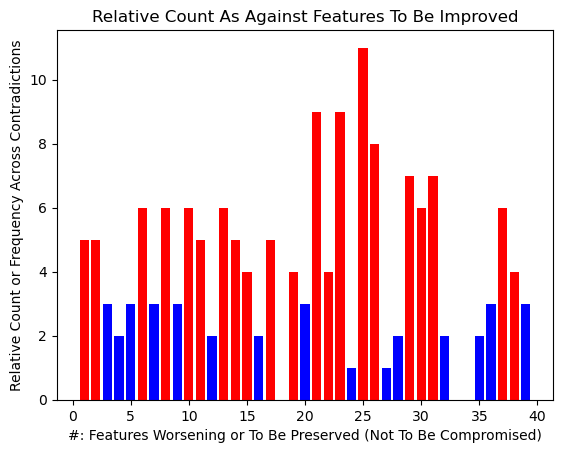
1/10 1/14 1/21 1/26 1/29 1/30 1/38 2/11 2/20 2/21 2/22 2/26 2/28 4/17 4/30 5/3 5/21 5/31 5/37 6/2 6/10 6/23 6/25 6/26 6/29 6/36 6/37 7/17 7/21 8/10 8/25 8/31 9/11 9/12 9/13 9/38 10/1 10/2 10/6 10/8 10/11 10/21 10/26 10/30 10/32 10/35 10/36 11/2 11/14 11/31 12/9 12/13 13/9 13/12 13/20 13/29 13/30 14/10 14/11 14/30 15/19 15/23 15/25 16/17 16/23 17/5 17/7 17/16 17/25 17/35 19/1 19/7 19/15 19/21 19/23 19/25 19/26 20/13 20/23 20/31 21/23 21/31 22/2 22/6 22/7 22/25 22/26 23/6 23/8 23/10 23/15 23/16 23/19 23/21 23/25 23/37 23/38 25/8 25/14 25/15 25/17 25/19 25/22 25/23 25/26 25/29 25/30 25/31 25/37 26/1 26/2 26/3 26/6 26/19 26/22 26/25 26/27 26/37 28/32 29/1 29/6 29/13 29/25 29/36 29/38 29/39 30/4 30/10 30/13 30/14 30/25 30/29 31/5 31/8 31/11 31/20 31/21 31/39 32/17 32/24 32/28 33/6 33/8 33/9 34/4 35/22 37/5 37/8 37/21 37/23 37/25 37/26 37/39 38/1 38/13 38/23 38/29 39/3 39/14 39/15 39/29 39/31 39/37
EXAMPLE: Body massager using vibrations.Body massagers, particularly handheld or portable ones, often use vibration as a mechanism to provide massage and relaxation. Vibrations add an additional layer of sensation to the massage, making it more dynamic and potentially more effective in targeting specific areas.The soothing effect of vibrations can contribute to stress reduction and promote a sense of relaxation and well-being.
Contradictions (39/31, 39/14): Offers a hands-free massage, reducing the need for manual effort (31). It also allows for targeted and consistent pressure (39), addressing the limitations of manual massage (14).
Solution: Body massagers use motors to generate vibrations, providing a massage effect when the device comes into contact with the body. Body massagers typically have an internal mechanism, often an eccentric weight or motor, designed to generate oscillations or vibrations. The massager’s motor, when activated, causes the eccentric weight to spin or move in a circular or back-and-forth motion. The motion generated by the motor is transferred to the massager’s surface, which is the part that comes into contact with the user’s body. Some massagers come with adjustable settings that allow users to control the intensity or speed of the vibrations based on their preferences. Vibrations can help relax muscles by stimulating blood flow and reducing tension. This can be particularly beneficial for individuals experiencing muscle stiffness or soreness. The rhythmic vibrations created by the massager may enhance blood circulation in the massaged area. Improved circulation can contribute to faster recovery and relief from muscle fatigue. Vibrating massagers are versatile and can be used on various parts of the body, including the back, neck, shoulders, and limbs.