

Hiroshima
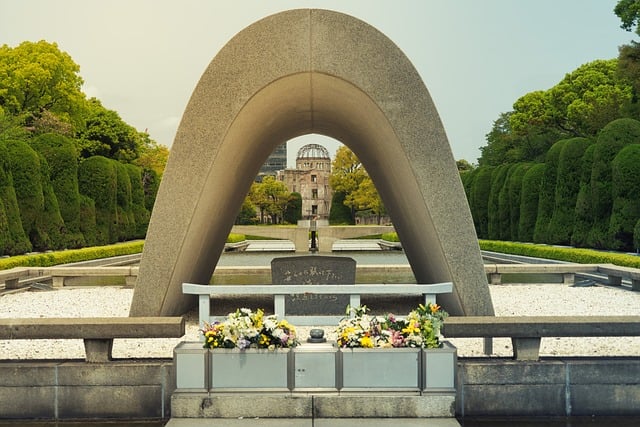
Hiroshima is a city located in the western part of Japan, on the island of Honshu. It is best known for being the target of the world’s first atomic bomb attack on August 6, 1945, during World War II. The bombing devastated the city and resulted in widespread destruction, loss of life, and long-term effects on the survivors. Despite this tragic history, Hiroshima has emerged as a resilient city that is dedicated to promoting peace, reconciliation, and nuclear disarmament. The Peace Memorial Park, located at the epicenter of the atomic bomb blast, serves as a poignant reminder of the devastating impact of nuclear warfare. The park contains various memorials, monuments, and museums, including the Atomic Bomb Dome, which stands as a UNESCO World Heritage Site and a symbol of peace.
In addition to its historical significance, Hiroshima is a vibrant and modern city with a rich cultural heritage. Visitors can explore its many attractions, including Hiroshima Castle, Shukkeien Garden, and the Hiroshima City Museum of Contemporary Art. The city is also known for its culinary delights, including Hiroshima-style okonomiyaki (a savory pancake), oysters, and local sake. Hiroshima’s commitment to peace and its efforts to promote nuclear disarmament make it a significant destination for visitors seeking to learn about the consequences of war and the importance of peacebuilding. Despite its tragic past, Hiroshima has become a symbol of hope and resilience, serving as a testament to the power of reconciliation and the human spirit. Hiroshima offers a combination of historical, cultural, and natural attractions. Peace Memorial Park park is dedicated to the memory of the atomic bombing of Hiroshima. It contains several memorials, including the Peace Memorial Museum, the Atomic Bomb Dome (Genbaku Dome), and the Children’s Peace Monument.
The shinkansen is the fastest and most convenient option for traveling from Tokyo to Hiroshima, offering a comfortable and efficient journey with the added benefit of scenic views along the way. However, depending on your preferences and budget, flying or taking a highway bus are also viable alternatives for reaching Hiroshima from Tokyo. There are several convenient ways to travel from Tokyo to Hiroshima, including by train, plane, and bus:
Shinkansen (Bullet Train): The most popular and efficient way to travel from Tokyo to Hiroshima is by taking the shinkansen, Japan’s high-speed bullet train. From Tokyo Station, you can board the shinkansen on the Tokaido/Sanyo Shinkansen Line bound for Hiroshima. The trip takes approximately 4 to 5 hours, depending on the train type. The Nozomi and Sakura trains are the fastest options, while the Hikari and Kodama trains make more frequent stops along the route. It’s advisable to make a reservation for your shinkansen ticket in advance, especially during peak travel times.
Domestic Flights: Another option is to fly from Tokyo to Hiroshima. Several domestic airlines operate flights between Haneda Airport (Tokyo) and Hiroshima Airport. Flight times are relatively short, typically around 1.5 to 2 hours, making this a convenient option for travelers who prefer air travel. Keep in mind that you’ll need to factor in additional time for getting to and from the airports, as well as for check-in and security procedures.
Highway Bus: If you’re looking for a more budget-friendly option, you can consider taking a highway bus from Tokyo to Hiroshima. Highway buses depart from various locations in Tokyo, including Shinjuku, Tokyo Station, and Shibuya, and arrive at the Hiroshima Bus Center. The journey by bus takes longer compared to the shinkansen or flights, typically around 11 to 12 hours, but it can be a more economical choice for budget-conscious travelers. It’s advisable to book your bus ticket in advance, especially during peak travel seasons.
Hiroshima Castle, also known as Carp Castle, Hiroshima Castle is a reconstructed castle that offers a glimpse into Japan’s feudal history. Visitors can explore the castle grounds, exhibitions, and enjoy panoramic views of the city from the top floor. Shukkeien Garden is a traditional Japanese garden is known for its tranquil beauty and meticulous landscaping. Visitors can stroll through winding paths, admire the seasonal flowers, and relax by the pond. Hiroshima Museum of Art showcases a diverse collection of Japanese and Western art, including paintings, ceramics, and sculptures. It features works by renowned artists such as Monet, Renoir, and Picasso. Hiroshima Orizuru Tower is an observation tower offers panoramic views of Hiroshima city and beyond. Visitors can also participate in origami (paper folding) workshops and create paper cranes, a symbol of peace. Hiroshima is known for its unique culinary specialties, including Hiroshima-style okonomiyaki (savory pancake), Hiroshima-style tsukemen (dipping noodles), and fresh seafood such as oysters and grilled eel.
Nagarekawa offers a lively and dynamic atmosphere with something to suit every taste, whether you’re looking to explore Hiroshima’s nightlife, enjoy a delicious meal, or shop for souvenirs. It’s a vibrant district that showcases the city’s diverse cultural offerings and is worth exploring during your visit to Hiroshima. agarekawa is located in the heart of Hiroshima and is known for its bustling nightlife, entertainment, and dining scene. Nagarekawa is one of the major entertainment districts in Hiroshima, with numerous bars, clubs, and izakayas (Japanese-style pubs) lining its streets. It’s a popular destination for locals and visitors alike to enjoy drinks, music, and socializing well into the night. The district is home to a wide variety of restaurants serving Japanese cuisine, including izakayas, sushi bars, yakitori (grilled chicken skewers) joints, and ramen shops. You can also find international cuisine options, such as Italian, Korean, and Chinese restaurants.
Nagarekawa offers shopping opportunities ranging from small boutique stores to larger department stores. Visitors can browse for fashion items, accessories, souvenirs, and more in the area’s shops and malls. In addition to bars and restaurants, Nagarekawa features entertainment venues such as karaoke bars, live music venues, and theaters. Visitors can enjoy performances, concerts, and cultural events throughout the year. Nagarekawa is conveniently located in central Hiroshima, making it easily accessible by public transportation. It’s within walking distance of major attractions such as Hiroshima Peace Memorial Park, Hiroshima Castle, and Shukkeien Garden.
Hiroshima, known for its rich history and vibrant culture, also boasts a diverse and delicious culinary scene. Hiroshima-style Okonomiyaki: Hiroshima-style okonomiyaki is a must-try dish in the city. Unlike the Osaka-style okonomiyaki, which mixes all ingredients together, Hiroshima-style okonomiyaki is made by layering ingredients such as cabbage, noodles, pork, and egg on a hot grill. It’s then topped with a sweet and savory okonomiyaki sauce, mayonnaise, and sometimes bonito flakes. Hiroshima-style Tsukemen: Tsukemen is a type of ramen where noodles are served separately from the broth, which is usually thick and flavorful. In Hiroshima, tsukemen is often served with a dipping broth made from rich tonkotsu (pork bone) or chicken broth, and it’s a popular comfort food among locals. Hiroshima-style Oysters: Hiroshima is famous for its fresh and plump oysters harvested from the Seto Inland Sea. You can enjoy oysters in various ways, such as grilled, fried, or in a hot pot. Grilled oysters, known as “kaki-gaki,” are especially popular and can be found at local seafood restaurants and street stalls. Anago Meshi: Anago meshi is a local delicacy consisting of grilled saltwater eel served on a bed of rice. The eel is typically grilled to perfection and glazed with a sweet and savory sauce. Anago meshi is a popular choice for lunch or dinner, especially during the summer months. Hiroshima-style Soba: Hiroshima-style soba noodles are thinner and chewier compared to other varieties of soba. They are typically served hot in a flavorful broth made from bonito flakes, soy sauce, and other seasonings. Soba shops in Hiroshima often offer a variety of toppings, such as tempura or green onions, to accompany the noodles. Momiji Manju: Momiji manju is a popular Hiroshima souvenir and snack. It’s a sweet treat made from sponge cake filled with sweet red bean paste and shaped like a maple leaf (momiji). You can find momiji manju at souvenir shops and specialty stores throughout the city. Hiroshima-style Carp Sushi: Carp, known as “koi” in Japanese, is a symbol of Hiroshima and can be found in various local dishes. Hiroshima-style carp sushi features thinly sliced raw carp served atop vinegared rice and garnished with ingredients like shiso leaves and pickled vegetables. Hiroshima-style Curry: Hiroshima-style curry is a unique variation of Japanese curry characterized by its thick and rich sauce, often made with a blend of spices and ingredients like onions, carrots, and potatoes. It’s typically served over rice and can be found at curry restaurants and cafes across the city.
Kagura is a traditional Japanese performing art that often involves sacred dances, music, and rituals. In Hiroshima, Kagura performances are commonly held at shrines and temples, particularly during festivals and special events. Hiroshima Kagura typically showcases colorful costumes, elaborate masks, and dynamic choreography that depict various mythical and historical stories. The performances often feature themes related to Japanese folklore, legends, and Shinto mythology. Audiences can enjoy the vibrant energy of Kagura performances as skilled performers bring ancient tales to life through dance, music, and drama. These performances not only entertain but also serve as a way to preserve and celebrate Japan’s cultural heritage. If you’re interested in experiencing Hiroshima Kagura, it’s a good idea to check with local tourist information centers, shrines, or temples for upcoming performances and events. Attending a Kagura performance can provide a unique insight into Japan’s rich cultural traditions and artistic expression.
miyajima island
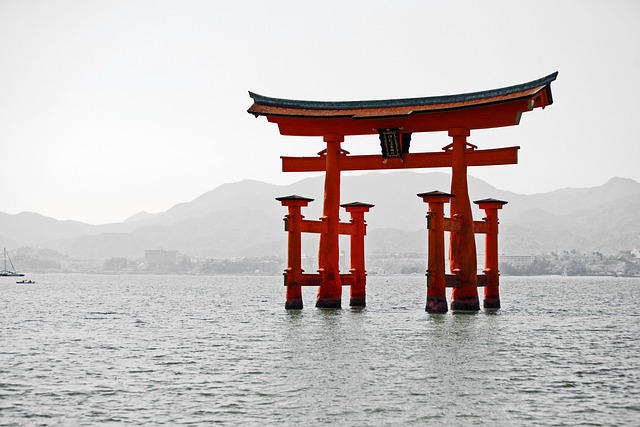
Miyajima, also known as Itsukushima Island, is a small island located in the Seto Inland Sea of Japan, just off the coast of Hiroshima Prefecture. It is renowned for its iconic “floating” Itsukushima Shrine, which is a UNESCO World Heritage Site and one of Japan’s most famous and photographed landmarks. The island is characterized by its picturesque landscapes, including lush forests, scenic hiking trails, and rocky coastlines. Visitors to Miyajima can explore the island’s natural beauty, visit historic temples and shrines, and interact with the friendly wild deer that roam freely throughout the island. Miyajima Island is just a short ferry ride from Hiroshima, Miyajima Island is famous for its iconic “floating” Itsukushima Shrine, picturesque landscapes, and friendly wild deer.
The Itsukushima Shrine, with its iconic torii gate standing in the water, is one of the most recognizable symbols of Japan. During high tide, the gate appears to float on the surface of the sea, creating a stunning and ethereal sight. Visitors can also explore the shrine’s main hall, which is built on stilts over the water, and admire its intricate architecture and design. In addition to the Itsukushima Shrine, Miyajima offers other attractions such as Daisho-in Temple, Mount Misen (the island’s highest peak), Momijidani Park (known for its maple trees and autumn foliage), and the Miyajima Ropeway, which offers panoramic views of the surrounding islands and sea.
Miyajima is easily accessible by ferry from Hiroshima, making it a popular day trip destination for tourists visiting the region. Whether you’re interested in history, nature, or simply enjoying the scenic beauty of the Japanese countryside, Miyajima offers a memorable and enchanting experience for visitors of all ages. If you’re visiting on August 6th, you can attend the annual peace memorial ceremony commemorating the atomic bombing of Hiroshima. It’s a solemn and moving event that attracts visitors from around the world.
Ōkunoshima
Ōkunoshima, also known as Rabbit Island, is a small island located in the Seto Inland Sea of Japan, near the city of Takehara in Hiroshima Prefecture. It is famous for its large population of wild rabbits that roam freely across the island. During World War II, Ōkunoshima was used as a secret military site for the production of chemical weapons. Today, the island is a popular tourist destination known for its natural beauty and the opportunity to interact with its friendly resident rabbits. Visitors to Ōkunoshima can enjoy activities such as feeding and petting the rabbits, hiking or cycling around the island’s scenic trails, and exploring the ruins of the former military facilities, including abandoned buildings and fortifications. The island also offers opportunities for swimming, picnicking, and beachcombing along its sandy shores. In addition to its natural and historical attractions, Ōkunoshima is home to the Ōkunoshima Poison Gas Museum, which provides insight into the island’s dark past as a chemical weapons production site during World War II. The museum features exhibits on the history of chemical warfare, the island’s role in the war, and efforts to promote peace and disarmament. Ōkunoshima offers visitors a unique and memorable experience, combining elements of history, nature, and wildlife in a picturesque island setting. It’s a popular destination for families, nature enthusiasts, and anyone interested in exploring Japan’s lesser-known attractions
References
- https://www.viator.com/Kyoto/d332-ttd
- https://youtu.be/Oosm5ns4Kxk
- https://www.youtube.com/watch?v=SYUqr5wQMXU

Top notch service and very responsive pages. I appreciate the transparency and the fair play rules here. Big thanks to idarena39.