


38: ACCELERATED OXIDATION : Principle of “strong oxidants” is related to the use of substances with powerful oxidizing properties to address and solve problems in innovative ways. Oxidants are substances that facilitate oxidation reactions, where a substance loses electrons.
In inventive problem-solving, this principle considers introduction or utilization of substances with strong oxidizing properties to improve a system, process, or product leading to removal of impurities or enhancement of certain properties, or changes in the composition. It implies making transition from one level of purity to the next higher level of purity: (A) Replace ambient atmospheric air with oxygenated air (B) Repalce oxygenated with (introduction of) pure oxygen (C) Repalce oxygen with (introductio of) ionized oxygen (D) Repalce ionized oxygen with (introduction of) ozoned oxygen (E) Replace ozone oxygen with (introduction of) ozone
EXAMPLE: Scuba diving with Nitrox, Oxy-Acetylene torch, treatment of wounds Ionize air to trap pollutants in air cleaner, speed up chemical reactions by ionizing the gas before
SYNONYMS: STRONG OXIDANTS, Accelerated Oxidation, Enriched Environment, Intensity that transforms quickly
ACB:
The principle of “strong oxidants” is related to the use of substances with powerful oxidizing properties to address and solve problems in innovative ways. Oxidants are substances that facilitate oxidation reactions, where a substance loses electrons. In inventive problem-solving, the principle of strong oxidants suggests considering the introduction or utilization of substances with strong oxidizing properties to improve a system, process, or product. Oxidation reactions can lead to various effects, such as the removal of impurities, enhancement of certain properties, or changes in chemical compositions.
Oxidation is the process of a substance undergoing a chemical change in which it loses electrons or gains oxygen. It refers to a chemical reaction in which a substance loses electrons or a process that involves the addition of oxygen to a substance or the removal of hydrogen from it or transfer of electrons from one molecule to another. It typically occurs in the presence of an oxidizing agent, which is a substance that accepts electrons, and a reducing agent, which is a substance that donates electrons. At the molecular level, atoms within a substance can lose electrons. This loss of electrons results in an increase in the oxidation state of the atom. Oxidants like oxygen or chemical oxidants are used in metallurgical processes, such as the extraction of metals from ores and the refining of metals.
The substance that loses electrons is said to be oxidized. An oxidizing agent, also known as an oxidant, is a substance that gains electrons during the oxidation process. It becomes reduced as it accepts electrons from the substance being oxidized. A reducing agent, also known as a reductant, is a substance that donates electrons during the oxidation process. It becomes oxidized as it loses electrons to the oxidizing agent. In practical terms, oxidation reactions can manifest as various phenomena, such as the rusting of iron, combustion (burning) of organic materials, or the metabolism of nutrients in living organisms. Oxidation processes are integral to many chemical and biological reactions, playing a fundamental role in both natural and synthetic processes.
Making transitions from one level of oxidation to the next higher level involves various chemical processes and reactions. Each of these transitions involves specific chemical reactions or processes tailored to manipulate the oxidation state of oxygen molecules and ions. These transitions have applications in various fields, including environmental remediation, water treatment, industrial processes, and chemical synthesis.Here’s how each transition can be achieved:
Ambient air to oxygenated: Transition: Ambient air, which typically contains nitrogen, oxygen, and other gases, can be oxygenated by increasing the concentration of oxygen. Method: Oxygenation can be achieved by passing the ambient air through an oxygen-enrichment system or by introducing oxygen gas into the air using compressed air systems. Example: Oxygen Enrichment System for Combustion. Benefit: In a combustion system, such as a furnace or boiler, introducing oxygen-enriched air instead of ambient air can significantly improve combustion efficiency and reduce fuel consumption. The increased oxygen concentration enhances the combustion process, resulting in higher temperatures, faster reaction rates, and reduced emissions of pollutants such as carbon monoxide (CO) and unburned hydrocarbons.
Oxygenated to oxygen: Transition: Oxygenated air, which has a higher concentration of oxygen compared to ambient air, can be converted to pure oxygen. Method: Oxygenation processes such as pressure swing adsorption (PSA) or membrane separation can be used to separate oxygen from other gases in the oxygenated air, resulting in pure oxygen. Example: Oxygen Generation System for Medical Applications. Benefit: Oxygenation systems used in medical applications, such as oxygen concentrators or oxygen cylinders, produce pure oxygen from oxygen-enriched air. Pure oxygen is essential for patients requiring supplemental oxygen therapy, such as those with respiratory disorders or during medical procedures. The transition from oxygenated air to pure oxygen ensures the delivery of high-purity oxygen for therapeutic purposes, improving patient outcomes and comfort.
Oxygen to ionized oxygen: Transition: Oxygen gas can be ionized to form oxygen ions by gaining or losing electrons. Method: Ionization of oxygen can be achieved through various methods such as exposure to high-energy radiation (e.g., UV radiation or X-rays), electrical discharge (e.g., corona discharge or plasma), or chemical reactions involving oxidizing agents. Example: Ozone Generation for Water Treatment. Benefit: Ionizing oxygen to produce oxygen ions is a crucial step in ozone generation systems used for water treatment applications. Ozone is a powerful oxidizing agent used to disinfect and purify water by destroying organic contaminants, pathogens, and microorganisms. The transition to ionized oxygen enables the efficient production of ozone through processes such as corona discharge or UV radiation, ensuring effective water treatment and disinfection.
Ionized oxygen to ozoned oxygen: Transition: Ionized oxygen ions can react with oxygen molecules to form ozone (O3) molecules. Method: The reaction between ionized oxygen ions and oxygen molecules can occur in the presence of energy sources such as electrical discharge (corona discharge) or ultraviolet (UV) radiation, leading to the formation of ozone. Example: Ozonation System for Wastewater Treatment. Benefit: Ozonation systems utilize the reaction between ionized oxygen ions and oxygen molecules to produce ozone for wastewater treatment. Ozone is highly effective in oxidizing organic pollutants, pathogens, and odor-causing compounds in wastewater, leading to improved water quality and reduced environmental impact. The transition from ionized oxygen to ozoned oxygen enables the efficient production of ozone for wastewater disinfection and remediation.
Ozoned oxygen to ozone: Transition: Ozoned oxygen, which contains a mixture of ozone and oxygen molecules, can be further enriched with ozone. Method: Ozoned oxygen can be passed through an ozone generator or exposed to UV radiation or electrical discharge to convert more oxygen molecules into ozone, increasing the ozone concentration. Example: Ozone Disinfection System for Food Processing. Benefit: Ozone disinfection systems are used in food processing facilities to sanitize food products, equipment, and surfaces. Increasing the ozone concentration in ozoned oxygen using ozone generators ensures effective microbial inactivation, extended shelf life of food products, and compliance with food safety regulations. The transition from ozoned oxygen to ozone enhances the disinfection capabilities of the system, reducing the risk of foodborne illnesses and improving product quality.
Ozone to singlet oxygen (use other strong or extreme oxidants): Transition: Ozone molecules can be converted to singlet oxygen (O2) molecules, which have higher oxidative potential. Method: Singlet oxygen can be generated from ozone through chemical reactions involving strong oxidizing agents or extreme conditions such as high temperatures or pressures. For example, ozone can react with hydrogen peroxide (H2O2) or potassium iodide (KI) to produce singlet oxygen. Example: Singlet Oxygen Generation for Chemical Synthesis. Benefit: Singlet oxygen (O2) is a reactive species with high oxidative potential used in chemical synthesis, polymerization reactions, and wastewater treatment. Transitioning from ozone to singlet oxygen can be achieved through chemical reactions involving strong oxidizing agents or extreme conditions. Singlet oxygen is valuable in various industrial processes for its ability to initiate or catalyze reactions, produce specialty chemicals, and degrade organic pollutants, offering significant benefits in process efficiency and product quality.
The concept of oxidation is fundamental in various innovative solutions across different fields. Here are a few general ways the principle of strong oxidants might be applied:
Cleaning and Purification: Strong oxidants can be employed to clean surfaces, remove contaminants, or purify substances by promoting oxidation reactions that break down unwanted components. In the context of cleaning or purifying, strong oxidants can be substances that have powerful oxidizing properties and are effective in eliminating organic contaminants. One example is hydrogen peroxide (H2O2), which is often used as a strong oxidant for cleaning and disinfecting surfaces. It can break down organic matter and kill bacteria, viruses, and other microorganisms. Other strong oxidants used for cleaning purposes include ozone and chlorine-based disinfectants. Oxidants like chlorine-based disinfectants or peracetic acid are used for cleaning and disinfection purposes in various industries, including healthcare and food processing. These substances help in the oxidation of organic compounds, contributing to the purification and sanitation of various environments.
Material Modification: Oxidation can be utilized to modify the properties of materials. For example, it can be used to create surface coatings, change the color of materials, or enhance certain characteristics.
Chemical Synthesis: Strong oxidants can play a role in chemical synthesis processes, facilitating the creation of new compounds or materials. Oxidizing agents such as hydrogen peroxide or sodium hypochlorite are used as bleaching agents in the textile and paper industries to remove color from substances like fabrics and paper. Bleaching oxidizes colored compounds, breaking down their chromophores and making them colorless.
Waste Treatment: In certain industrial processes, strong oxidants can be employed for the treatment of waste materials, helping to break down or neutralize harmful substances.
Energy Production: Some energy-producing processes, such as fuel cells, involve oxidation reactions. The principle of strong oxidants might be applied to improve the efficiency or performance of such systems. Oxidation reactions play a role in removing impurities from metals or converting metal ores into usable forms. Oxidants, primarily oxygen from the air, are crucial for the combustion of fuels. The process of burning fuels involves the oxidation of hydrocarbons, releasing energy in the form of heat and light. Combustion reactions are fundamental for power generation, heating, and various industrial processes.
Fuel Cells: Fuel cells are devices that convert the chemical energy of a fuel, often hydrogen, into electricity through electrochemical reactions. In a hydrogen fuel cell, oxidation of hydrogen occurs at the anode, releasing electrons that flow through an external circuit to produce electrical power.
Batteries: Rechargeable batteries, like lithium-ion batteries, rely on oxidation-reduction reactions between the electrodes and the electrolyte to store and release energy. During discharge, oxidation occurs at the anode, and reduction occurs at the cathode.
Chemical Sensors: Oxidation reactions can be used in chemical sensors to detect specific gases or substances. For instance, gas sensors based on metal oxide semiconductors can detect gases like carbon monoxide or methane through their oxidation on the sensor surface.
Water Purification: Oxidation processes, such as ozone or advanced oxidation, are used to remove contaminants from water by breaking down organic and inorganic compounds. These processes rely on the oxidation of pollutants to less harmful forms. Oxidants are used in waste treatment processes to break down and detoxify organic pollutants. Examples include using ozone or hydrogen peroxide in advanced oxidation processes. Oxidation reactions help transform harmful pollutants into less toxic or non-toxic by-products.
Organic Synthesis: In organic chemistry, oxidation reactions are commonly used to introduce functional groups or modify molecules, leading to the synthesis of new compounds with desired properties.
Wastewater Treatment: Oxidation processes are employed to treat industrial wastewater and remove harmful pollutants. Advanced oxidation processes, like photocatalysis, utilize oxidation reactions driven by light to break down contaminants.
Biological Processes: In cellular respiration, organisms use oxidation reactions to extract energy from nutrients. Oxidation also plays a crucial role in processes like metabolism and detoxification within living organisms. Oxidants help eliminate bacteria, viruses, and other pathogens, ensuring hygiene and preventing the spread of diseases.
Food Preservation: Oxygen is often a contributor to spoilage and degradation of food. In some cases, materials are designed to degrade for environmental reasons. The principle might be applied to enhance the biodegradability of materials through controlled oxidation processes. Modified atmosphere packaging (MAP) is an innovative solution that controls the oxygen levels around food products to extend shelf life.
Corrosion Protection: While corrosion itself is an oxidation process, various innovative coatings and treatments are used to prevent or slow down the oxidation of metals, protecting them from damage.
Photovoltaic Cells: Solar cells generate electricity from sunlight through photovoltaic processes. Some solar cell technologies involve oxidation-reduction reactions to generate a flow of electrons and produce electrical energy.
In many oxidation-reduction reactions, the process is split into two half-reactions: the oxidation half-reaction and the reduction half-reaction. The electrons lost in the oxidation half-reaction are gained in the reduction half-reaction. In some cases, oxidation-reduction reactions take place in electrochemical cells, such as batteries and fuel cells. These cells facilitate the separation of the oxidation and reduction reactions, allowing the transfer of electrons to produce electrical energy. The actual mechanisms of oxidation can vary widely depending on the substances involved and the conditions of the reaction. Some oxidation reactions involve the direct transfer of electrons, while others might involve more complex processes, including the formation and breaking of chemical bonds. Overall, oxidation is a fundamental chemical process that involves the exchange of electrons between substances. It’s an essential concept in understanding various natural and industrial processes, including energy production, corrosion, chemical synthesis, and more.
At an abstract level, you can relate to the term “oxidation” by thinking about it as a process of change involving the exchange of energy. Imagine you have a piece of paper, and you want to transform it into something else. You decide to burn the paper. As the paper burns, it releases energy in the form of heat and light. The paper represents a substance that can undergo oxidation process. The energy so released in the form of heat and light represents the energy changes that occur during oxidation process. One can think of oxidation as a process that transforms one substance into another while releasing energy. This transformation involves the movement of electrons, which leads to changes in the properties of the substances involved. Remember, oxidation doesn’t necessarily involve fire or burning; it’s a broader concept that applies to various chemical reactions involving electron transfer. By understanding this abstract analogy, you can grasp the fundamental idea behind oxidation as a process of change accompanied by energy exchange.
1: Mass of the moving object: [‘5: Area of the moving object’, ‘9: Speed’, ’17:Temperature’]
4: Length of the non-moving object: [’17:Temperature’]
6: Area of the non-moving object: [’13: Stability of the object’, ’17:Temperature’]
7: Volume of the moving object: [‘9: Speed’]
8: Volume of the non-moving object: [’16: Action time of the non-moving object’]
9: Speed: [‘1: Mass of the moving object’, ’11: Tension, Pressure’, ’19: Energy consumption of the moving object’, ’21: Power’, ’23: Material loss’, ’26: Amount of substance’]
15: Action time of the moving object: [’21: Power’]
16: Action time of the non-moving object: [‘8: Volume of the non-moving object’, ’23: Material loss’, ’39: Productivity’]
17:Temperature: [‘1: Mass of the moving object’, ‘6: Area of the non-moving object’, ’22: Energy loss’]
19: Energy consumption of the moving object: [’25: Time loss’, ’37: Complexity of control and measurement’]
21: Power: [‘1: Mass of the moving object’, ‘5: Area of the moving object’, ‘6: Area of the non-moving object’, ‘7: Volume of the moving object’, ’15: Action time of the moving object’, ’22: Energy loss’, ’23: Material loss’]
22: Energy loss: [‘4: Length of the non-moving object’, ‘9: Speed’, ’10: Force’, ’17:Temperature’, ’21: Power’]
23: Material loss: [‘9: Speed’, ’16: Action time of the non-moving object’, ’21: Power’]
25: Time loss: [’19: Energy consumption of the moving object’, ’26: Amount of substance’]
26: Amount of substance: [’25: Time loss’]
27: Reliability: [’39: Productivity’]
37: Complexity of control and measurement: [’19: Energy consumption of the moving object’]
39: Productivity: [‘3: Length of the moving object’, ’16: Action time of the non-moving object’, ’19: Energy consumption of the moving object’, ’26: Amount of substance’, ’27: Reliability’]
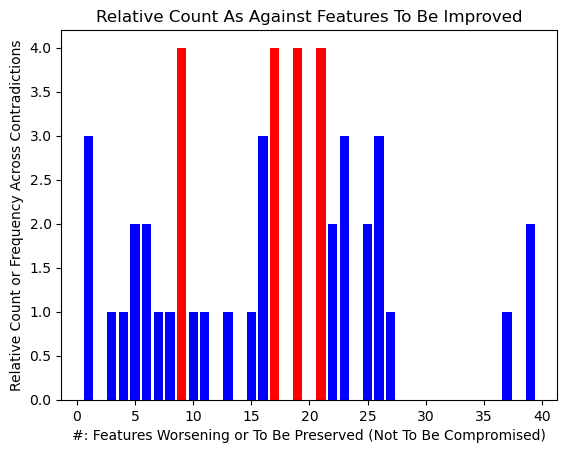
This principle is proposed to solve the following contradictions (Features to Improve / Features Worsening): 1/5 1/9 1/17 4/17 6/13 6/17 7/9 8/16 9/1 9/11 9/19 9/21 9/23 9/26 15/21 16/8 16/23 16/39 17/1 17/6 17/22 19/25 19/37 21/1 21/5 21/6 21/7 21/15 21/22 21/23 22/4 22/9 22/10 22/17 22/21 23/9 23/16 23/21 25/19 25/26 26/25 27/39 37/19 39/3 39/16 39/19 39/26 39/27.
EXAMPLE: Traditional match stick-based gas lighting involves using a matchstick to manually ignite a gas source, such as a gas stove or a gas lamp. he matchstick typically contains a combustible material, such as sulfur or phosphorus, which undergoes oxidation (combustion) when struck against a rough surface. The match head also includes an oxidizing agent, often potassium chlorate, which provides oxygen for the combustion of the matchstick material. This method is straightforward and requires minimal equipment. Matches are easily carried and used in various settings. Each match is single-use, and a continuous supply of matches is needed. Wind can extinguish the flame, making it challenging to use in windy conditions.
Contradictions: Traditional matchsticks are single-use and can be cumbersome to carry in large quantities for extended use. Traditional matches are prone to being blown out in windy conditions. Solve the contradiction between the single-use nature of matches and the need for a reusable ignition source. Address the contradiction between the wind sensitivity of traditional matches and the desire for an ignition source resistant to wind.
Solution: For an electric lighter, the mechanical action of pressing a button activates the piezoelectric crystal, generating a spark. This spark ignites the released fuel (butane), creating a flame for lighting gas stoves, cigarettes, or other items. For traditional matchsticks, the friction from striking the match against a rough surface initiates a chemical reaction in the match head, leading to combustion. The resulting flame can be used to ignite a gas source. In short, the transition from traditional matchstick-based gas lighting to electric lighters addresses issues of limited use, wind sensitivity, and provides a more convenient and reusable solution for igniting gas appliances. Electric lighters overcome the drawbacks associated with traditional matches, offering a more efficient and reliable ignition method. Electric lighters, commonly seen in gas stoves or cigarette lighters, use an electric spark to ignite the gas. Soem of the lighters often use a fuel source like butane gas, which is released when the lighter is activated. The lighter includes a piezoelectric crystal that, when mechanically struck, generates an electric spark.
Electric lighters are reusable, eliminating the need for continuous restocking like traditional matches. The flame produced by electric lighters is less susceptible to being extinguished by the wind. Electric lighters require batteries for the piezoelectric mechanism. Electric lighters may have a higher initial cost compared to a box of matches. Traditional matchsticks are single-use and can be cumbersome to carry in large quantities for extended use. Traditional matches are prone to being blown out in windy conditions. Electric lighters solve the contradiction between the single-use nature of matches and the need for a reusable ignition source. Electric lighters address the contradiction between the wind sensitivity of traditional matches and the desire for an ignition source resistant to wind.
The 39 Engineering Parameters of the Contradiction Matrix: The 39 engineering parameters represent the most important characteristics of technical systems, and allow the technical contradiction to be formulated in a standardised way: 1. Mass of the moving object 2. Mass of the non-moving object 3. Length of the moving object 4. Length of the non-moving object 5. Area of the moving object 6. Area of the non-moving object 7. Volume of the moving object 8. Volume of the non-moving object 9. Speed 10. Force 11. Tension, Pressure 12. Shape 13. Stability of the object 14. Strength 15. Action time of the moving object 16. Action time of the non-moving object 17. Temperature 18. Brightness, Visibility 19. Energy consumption of the moving object 20. Energy consumption of the non- moving object 21. Power 22. Energy loss 23. Material loss 24. Information loss 25. Time loss 26. Amount of substance 27. Reliability 28. Accuracy of measurement 29. Accuracy of manufacturing 30. Harmful external factors 31. Harmful internal factors 32. Convenience of manufacturing 33. Convenience of use 34. Convenience of repair 35. Adaptability 36. Complexity of the structure 37. Complexity of control and measurement 38. Level of automation 39. Productivity.