

2: samurai and ninja museum
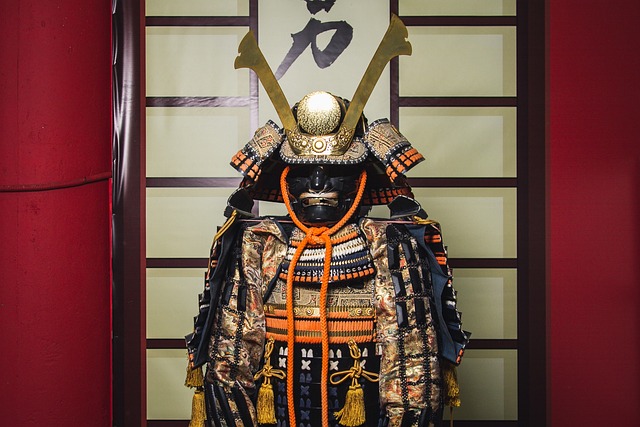
The Samurai and Ninja Museum in Kyoto is a popular tourist attraction that offers visitors the opportunity to learn about the history, culture, and traditions of Japan’s iconic samurai warriors and stealthy ninja agents.
Location: The museum is located in the heart of Kyoto, close to popular tourist destinations such as Nijo Castle and the Kyoto Imperial Palace. Its central location makes it easily accessible by public transportation. The museum features exhibits showcasing a wide range of artifacts, weapons, armor, and tools used by samurai and ninja throughout Japan’s history. Visitors can see authentic swords, helmets, armor, shuriken (throwing stars), and other historical items up close. One of the highlights of the museum is the opportunity to participate in interactive demonstrations led by knowledgeable staff members. Visitors can learn about samurai swordsmanship techniques, ninja stealth tactics, and traditional martial arts skills.
The museum offers hands-on experiences where visitors can dress up in traditional samurai or ninja attire and pose for photos. This immersive experience allows guests to step into the shoes of these legendary warriors and learn about their lifestyle and customs. The museum provides educational programs and workshops designed to teach visitors about the history and culture of samurai and ninja in Japan. These programs cover topics such as the code of bushido (samurai chivalry), ninja espionage tactics, and the role of warriors in Japanese society. Visitors can browse a gift shop offering a variety of souvenirs, memorabilia, and traditional Japanese items related to samurai and ninja culture. It’s a great place to find unique gifts and mementos to take home.
The museum provides English-language information, signage, and guided tours to accommodate international visitors. English-speaking staff members are available to assist guests and answer questions. The museum aims to create an authentic atmosphere that transports visitors back in time to the feudal era of Japan. From the displays to the interactive experiences, every aspect of the museum is designed to immerse guests in the world of samurai and ninja. The Samurai and Ninja Museum in Kyoto offers an entertaining and educational experience for visitors of all ages, allowing them to delve into the fascinating history and culture of Japan’s legendary warriors.
Sumo: Sumo is a traditional Japanese style of wrestling and Japan’s national sport. It has a long history dating back over 1,500 years and is deeply rooted in Shinto rituals and customs. Sumo wrestlers, known as “rikishi,” compete in a ring called a “dohyo” and aim to force their opponent out of the ring or to touch the ground with any part of their body other than the soles of their feet. Sumo tournaments, called “basho,” are held six times a year in various locations across Japan, including Tokyo, Osaka, Nagoya, and Fukuoka. Sumo wrestlers lead highly regimented lives, adhering to strict training regimens and traditional customs.
Onsen: Onsen are natural hot springs that are abundant throughout Japan due to the country’s volcanic activity. They are a popular form of relaxation and recreation for both locals and tourists. Japanese onsen culture dates back centuries and is deeply ingrained in Japanese society. Visitors to onsens typically bathe in communal baths segregated by gender, enjoying the therapeutic benefits of the mineral-rich hot spring water. Onsen ryokan (traditional Japanese inns) often offer overnight stays with meals and other amenities, providing guests with a quintessential Japanese hospitality experience.
Shodo: Shodo, or Japanese calligraphy, is the art of writing Japanese characters using brush and ink. It is considered one of the highest forms of Japanese art and is valued for its beauty, expressiveness, and meditative qualities. Shodo practitioners, known as “shodoka,” use a variety of brush strokes and techniques to create characters that convey meaning, emotion, and aesthetic harmony. Shodo is deeply rooted in Zen Buddhism and is often practiced as a form of mindfulness and self-expression. Students of shodo typically start by learning basic brush strokes and progress to more complex characters and compositions under the guidance of a master calligrapher.
These three aspects of Japanese culture—sumo, onsen, and shodo—offer unique insights into different facets of Japanese tradition, history, and lifestyle. Whether watching a sumo tournament, relaxing in an onsen, or practicing shodo, they provide opportunities for both cultural immersion and personal enrichment.
1: fushimi inari shrine
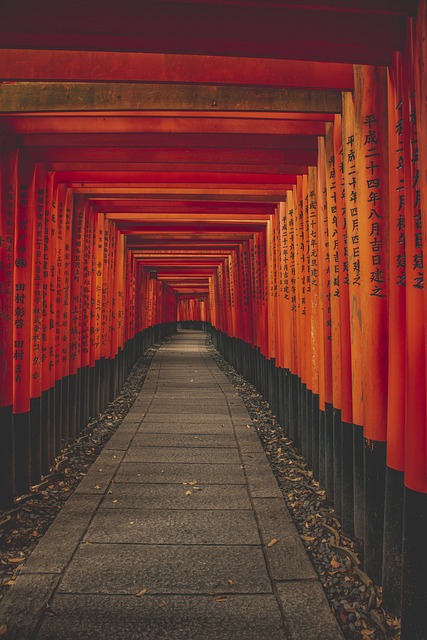
Fushimi Inari Taisha is an iconic Shinto shrine located in Fushimi-ku, Kyoto, Japan. Fushimi Inari Taisha is situated in southern Kyoto, easily accessible by train from Kyoto Station. It’s famous for its thousands of vermillion torii gates that form pathways leading up Mount Inari. The shrine was established in 711 AD, making it one of the oldest Shinto shrines in Japan. It is dedicated to Inari, the Shinto god of rice, agriculture, prosperity, and foxes. Foxes are believed to be Inari’s messengers, and many fox statues can be found throughout the shrine grounds.
Torii Gates: Fushimi Inari Taisha is best known for its thousands of torii gates that line the paths leading up the forested Mount Inari. The torii gates are donated by individuals and businesses, and each gate bears the name of the donor. Walking through the torii tunnels is a mesmerizing experience, and visitors can explore the network of trails that wind through the forest.
Hiking Trails: The shrine complex encompasses a network of hiking trails that lead to various smaller shrines, pavilions, and viewpoints on Mount Inari. The main trail to the summit takes approximately 2-3 hours round trip, but shorter hikes are also available for those with limited time.
Main Shrine Buildings: At the base of the mountain, visitors will find the main shrine buildings, including the Romon Gate, the main hall (honden), and various auxiliary shrines. These buildings are adorned with intricate carvings, colorful paintings, and elaborate architectural details.
Cultural Significance: Fushimi Inari Taisha holds significant cultural and religious importance in Japan. It is a popular destination for both tourists and pilgrims, who come to pray for prosperity, success in business, and good fortune. The shrine is especially busy during the New Year’s holiday when thousands of visitors flock to pay their respects.
Photography Opportunities: The striking visual appeal of the torii gates, combined with the serene natural surroundings, makes Fushimi Inari Taisha a favorite spot for photographers. The vermilion gates contrast beautifully with the lush greenery of the forest, creating stunning photo opportunities at every turn.
Local Cuisine: Surrounding the shrine area, visitors can find numerous shops and restaurants offering local cuisine and souvenirs. Specialties include kitsune udon (noodle soup with fried tofu) and inari sushi (sushi rice wrapped in fried tofu skins), both of which are associated with Inari shrines.
Overall, Fushimi Inari Taisha is a must-visit destination in Kyoto, offering a blend of natural beauty, cultural heritage, and spiritual significance. Whether hiking through the torii gates or exploring the shrine grounds, visitors are sure to be captivated by the unique atmosphere of this iconic Shinto shrine.
Shinto and Buddhism are two major religions in Japan, each with its own distinct beliefs, practices, and cultural significance. While they are separate religions, they have coexisted in Japan for centuries and have often influenced each other. Throughout Japanese history, Shinto and Buddhism have coexisted and often intermingled. This syncretism is evident in many aspects of Japanese culture, including religious festivals, rituals, and even architecture. For example, it’s common to find Shinto shrines and Buddhist temples located in close proximity to each other, and it’s not uncommon for individuals to practice elements of both religions simultaneously, attending Shinto ceremonies for life events and Buddhist services for funerals.
Shinto, which literally means “the way of the gods,” is Japan’s indigenous religion. It is deeply rooted in the belief in kami, which are spirits or deities that inhabit natural elements such as mountains, rivers, and trees. Shinto emphasizes harmony with nature, purification rituals, and reverence for ancestors. Shrines, known as jinja, are central to Shinto worship, and rituals often involve offerings of food, prayers, and purification rites.
Buddhism, on the other hand, was introduced to Japan from the Asian mainland around the 6th century CE. It originated in India and is based on the teachings of Siddhartha Gautama, known as the Buddha. Buddhism encompasses various schools and traditions, but in Japan, the most prominent forms are Mahayana Buddhism, particularly the Pure Land and Zen schools. Buddhism in Japan emphasizes the pursuit of enlightenment, the cycle of rebirth (samsara), and the alleviation of suffering (dukkha). Temples, known as tera or ji, serve as places of worship and meditation in Buddhism. Rituals such as chanting, meditation, and offerings are common in Buddhist practice.
Kinkaku-ji, also known as the Golden Pavilion, is one of Kyoto’s most iconic landmarks and a UNESCO World Heritage Site. It is a Zen Buddhist temple located in northern Kyoto, Japan.
The temple’s main feature is its stunning gold leaf-covered exterior, which gleams brilliantly in the sunlight and reflects on the surface of the surrounding pond. The Golden Pavilion is built in the traditional Japanese architectural style, with three stories that represent different architectural forms – shinden-zukuri, samurai-dokoro, and zen. Each floor showcases a different style of architecture, representing a different historical period.
Originally built in 1397 as a retirement villa for shogun Ashikaga Yoshimitsu, Kinkaku-ji was later converted into a Zen temple following his death. The temple grounds also include a beautiful strolling garden with meticulously landscaped ponds, islands, and walking paths, creating a serene and picturesque atmosphere.
Visitors to Kinkaku-ji can explore the temple grounds, admire the Golden Pavilion from various viewpoints, and enjoy the tranquility of the surrounding gardens. The temple is particularly popular during the cherry blossom season in spring and the autumn foliage season in fall when the surrounding trees burst into vibrant colors.
Kinkaku-ji is not only a symbol of Kyoto’s cultural heritage but also a place of spiritual significance and natural beauty, attracting tourists and pilgrims from around the world.
!
References
- https://www.viator.com/Kyoto/d332-ttd
- https://youtu.be/z0TbiJyUb8E