

9: KYOTO IMPERIAL PALACE (KYOTO GOSHO)
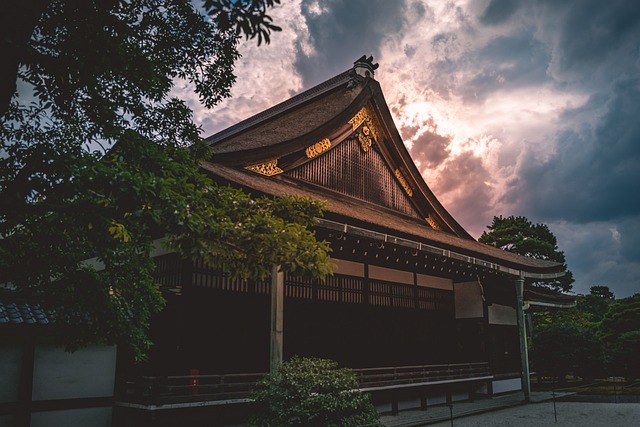
The Kyoto Imperial Palace, known as “Kyoto Gosho” in Japanese, is the former ruling palace of the Emperor of Japan. It is located in the heart of Kyoto, Japan, and served as the imperial residence and administrative center until the capital was moved to Tokyo during the Meiji Restoration in 1869
The Kyoto Imperial Palace has a long history dating back to the Heian Period (794-1185) when Kyoto was established as the capital of Japan. The current palace complex was largely reconstructed in the 19th century following a series of fires and reconstructions. The architecture of the Kyoto Imperial Palace reflects traditional Japanese design and aesthetics. The complex includes various structures such as the Shishinden (Throne Hall), Seiryo-den (Imperial Residence), Omiya Palace, and gardens with ponds and landscaped areas. The palace grounds feature meticulously maintained gardens with paths, trees, and ponds. The gardens are designed in the style of a traditional Japanese strolling garden, providing visitors with a tranquil and scenic environment.
Visitors can explore the Kyoto Imperial Palace through guided tours conducted in Japanese and English. These tours provide insights into the history, architecture, and significance of the palace complex. The Kyoto Imperial Palace is managed by the Imperial Household Agency, which oversees the maintenance and preservation of imperial properties and facilitates official ceremonies and events. While some areas of the palace grounds are restricted for official use, certain areas are open to the public for visitation. Visitors can enter the palace complex through designated entrances and explore designated areas during scheduled tour times. The Kyoto Imperial Palace serves as the venue for various imperial ceremonies and events, including enthronement ceremonies, New Year’s greetings by the Emperor, and other official functions. The Kyoto Imperial Palace is situated in a central location within Kyoto, making it easily accessible from other attractions such as Nijo Castle, Nishiki Market, and Gion district. Visiting the Kyoto Imperial Palace provides visitors with a unique opportunity to learn about Japan’s imperial history, experience traditional architecture and gardens, and appreciate the cultural significance of the site within the context of Kyoto’s rich heritage.
8: KYOTO TOWER
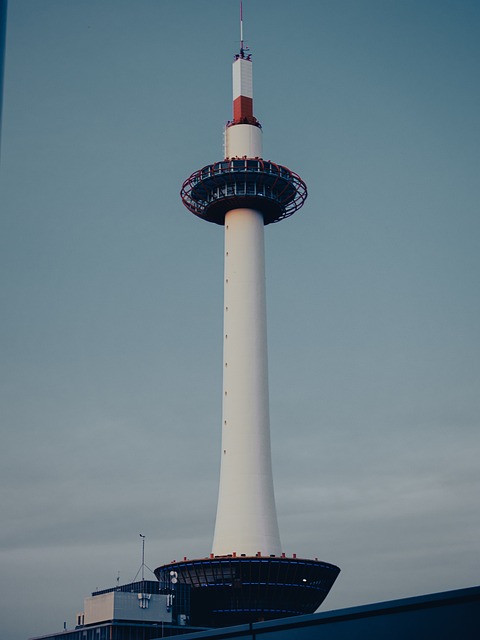
Kyoto Tower is a significant landmark located in Kyoto, Japan. Standing at 131 meters (430 feet) tall, it is one of the tallest structures in the city and offers panoramic views of Kyoto and its surroundings. The tower was completed in 1964, just in time for the Tokyo Olympics, and serves not only as an observation tower but also as a telecommunications tower. It is situated near Kyoto Station, making it easily accessible to visitors. The observation deck provides stunning views of Kyoto’s skyline, particularly during cherry blossom season and autumn when the city’s landscapes are adorned with vibrant colors. Additionally, the tower houses a hotel, restaurants, and a variety of shops, making it a popular destination for tourists and locals alike.
Kyoto Tower is a significant landmark located in Kyoto, Japan. Standing at 131 meters (430 feet) tall, it is one of the tallest structures in the city and offers panoramic views of Kyoto and its surroundings. The tower was completed in 1964, just in time for the Tokyo Olympics, and serves not only as an observation tower but also as a telecommunications tower. It is situated near Kyoto Station, making it easily accessible to visitors. The observation deck provides stunning views of Kyoto’s skyline, particularly during cherry blossom season and autumn when the city’s landscapes are adorned with vibrant colors. Additionally, the tower houses a hotel, restaurants, and a variety of shops, making it a popular destination for tourists and locals alike.
7: NISHIKI MARKET
Nishiki Market, also known as Nishiki Ichiba, is a bustling traditional food market located in the heart of Kyoto, Japan. It stretches for several blocks and is often referred to as “Kyoto’s Kitchen” due to its wide variety of fresh produce, seafood, meats, spices, and traditional Japanese snacks and sweets. The market has a history dating back several centuries and has long been a vital part of Kyoto’s culinary culture.
Visitors to Nishiki Market can explore a plethora of stalls and shops offering an array of local delicacies, including pickles, fresh seafood, sushi, traditional Japanese sweets like mochi and yatsuhashi, as well as kitchenware and cookware. Many of the stalls are family-owned businesses that have been passed down through generations, adding to the market’s authentic and historical charm.
Nishiki Market is not just a place to shop for ingredients; it’s also a vibrant cultural experience where visitors can immerse themselves in the sights, sounds, and aromas of traditional Japanese cuisine. It’s a popular destination for both tourists and locals alike, offering a glimpse into Kyoto’s rich culinary heritage.
Pontocho is a historic and atmospheric alleyway located in the heart of Kyoto, Japan. It runs parallel to the Kamo River and is renowned for its traditional tea houses, restaurants, bars, and entertainment establishments. Pontocho dates back to the 17th century and has retained much of its traditional charm, making it a popular destination for tourists and locals alike.
The narrow, lantern-lit alley is lined with traditional machiya townhouses, many of which have been converted into restaurants and bars. These establishments offer a variety of Japanese cuisine, including kaiseki (multi-course dining), yakitori (grilled skewered chicken), sushi, and more. Some of the restaurants and bars in Pontocho have riverside seating, providing a scenic view of the Kamo River.
Pontocho is also known for its geisha culture. Visitors may catch glimpses of geisha and maiko (apprentice geisha) in their traditional attire as they move between tea houses and entertainment venues. Some establishments in Pontocho offer traditional entertainment such as geisha performances, tea ceremonies, and ikebana (flower arranging) demonstrations.
In addition to its dining and entertainment offerings, Pontocho has a serene and nostalgic atmosphere, particularly in the evening when the lanterns are lit, creating a magical ambiance. It’s a popular spot for a leisurely stroll or an evening out, offering a taste of traditional Kyoto nightlife and culture.
6: Arashiyama bamboo grove
The Arashiyama Bamboo Grove is one of Kyoto’s most iconic and picturesque natural attractions. Located in the western outskirts of Kyoto, Japan, it is renowned for its towering bamboo stalks that create a tranquil and otherworldly atmosphere. The grove is part of the larger Arashiyama district, which also includes temples, gardens, and the scenic Hozugawa River.
Walking through the Arashiyama Bamboo Grove feels like stepping into another world, with tall bamboo stalks reaching towards the sky and creating a canopy overhead. The sound of bamboo leaves rustling in the wind adds to the serene ambiance. Paths wind through the grove, allowing visitors to immerse themselves in the peaceful surroundings and take in the beauty of nature.
The best time to visit the Arashiyama Bamboo Grove is early in the morning or late in the afternoon when the light filters through the bamboo, creating a magical and ethereal atmosphere. However, it’s a popular tourist destination, so visiting during off-peak hours can help avoid crowds.
In addition to strolling through the bamboo grove, visitors can explore other attractions in the Arashiyama area, such as the nearby Tenryu-ji Temple, the Togetsukyo Bridge, and the Arashiyama Monkey Park. The grove is easily accessible by train or bus from central Kyoto and is a must-visit destination for nature lovers and photographers alike.
The Togetsukyo Bridge, also known as the “Moon Crossing Bridge,” is a historic landmark in Arashiyama, Kyoto. Originally built during the Heian Period and reconstructed in the 1930s, it offers stunning views against the backdrop of forested mountains. Nearby, the bamboo groves provide a serene atmosphere, especially when the tall bamboo stalks sway in the wind. Local workshops have utilized bamboo for centuries to craft various products. Further attractions include the Okochi Sanso Villa, once owned by actor Okochi Denjiro, the Monkey Park Iwatayama, Tenryuji Temple, and Daikakuji Temple. The Saga Scenic Railway and Hozu River Boat Tour offer leisurely journeys along scenic routes, while cormorant fishing on the Hozu River provides a glimpse into traditional Japanese fishing methods. These attractions are part of a customizable tour in Kyoto, offering visitors an enriching experience of the city’s natural beauty and cultural heritage.
Tenryuji Temple is one of Kyoto’s most significant Zen temples and a UNESCO World Heritage Site. Founded in 1339 during the Muromachi Period, it holds a prominent place in Kyoto’s religious and cultural history. The temple is renowned for its stunning gardens, which are considered some of the finest examples of Japanese Zen landscape design.
The main garden, known as the “Sogenchi Garden,” features a tranquil pond surrounded by meticulously arranged rocks, trees, and moss. The garden’s design reflects the principles of Zen Buddhism, with carefully placed elements intended to evoke a sense of harmony and tranquility.
In addition to the garden, Tenryuji Temple boasts several historic buildings, including the Hojo, or Abbot’s Quarters, which houses valuable cultural artifacts and treasures. Visitors can also explore the temple’s various halls and pagodas, each offering insight into the rich architectural and religious heritage of Kyoto.
Tenryuji Temple is not only a place of worship but also a cultural hub, hosting various events and ceremonies throughout the year. It is a popular destination for both tourists and locals seeking spiritual solace and appreciation of traditional Japanese aesthetics.
The Katsura River is a significant waterway in Kyoto Prefecture, Japan. It flows through the western part of the prefecture, including areas such as Arashiyama and Saga Arashiyama, before eventually joining the larger Ōi River.
The river is renowned for its scenic beauty, particularly in the Arashiyama area, where it passes by bamboo groves, cherry blossom trees, and traditional Japanese architecture. Many tourists visit the banks of the Katsura River to enjoy leisurely walks, boat rides, and picnics while admiring the picturesque surroundings.
In addition to its natural beauty, the Katsura River holds cultural and historical significance. It has been immortalized in literature, poetry, and art throughout the centuries, often depicted in paintings by renowned Japanese artists.
The Katsura River also plays a practical role in the region, providing water for irrigation and supporting local ecosystems. Overall, it serves as both a vital resource and a cherished natural attraction in Kyoto Prefecture.
5: IWATAYAMA MONKEY PARK
The Iwatayama Monkey Park, located in the Arashiyama mountains of Kyoto, Japan, is a popular tourist destination where visitors can observe Japanese macaque monkeys, also known as snow monkeys, in a semi-natural habitat.
To reach the park, visitors must embark on a short hike uphill from the entrance, which is situated just south of the Togetsukyo Bridge. The hike takes about ten minutes and offers scenic views of the surrounding area.
Once at the park, visitors can enter a large open area where the monkeys roam freely. There are strict rules in place to ensure the safety of both visitors and monkeys, such as not feeding or touching the monkeys and not bringing in any food or drinks.
The monkeys at Iwatayama Monkey Park are accustomed to human presence but are still wild animals, so it’s important to respect their space and behavior. Visitors can observe the monkeys as they interact with each other, play, and forage for food.
In addition to observing the monkeys, the park offers panoramic views of Kyoto from its elevated location in the mountains, providing visitors with a unique and memorable experience of nature and wildlife in Japan.
4: SHOPPING AT KYOTO
Sannenzaka and Ninenzaka are historic pedestrian streets located in the Higashiyama District of Kyoto, Japan. These charming cobblestone streets are famous for their preserved traditional architecture, lined with traditional wooden machiya houses, shops, and cafes. The names “Sannenzaka” and “Ninenzaka” translate to “Three-Year Slope” and “Two-Year Slope” respectively, believed to originate from the time it took to ascend or descend the slopes on horseback. Both streets are steep, with stone steps leading up from the historic Kiyomizu-dera Temple and Yasaka Shrine area.
Walking along Sannenzaka and Ninenzaka is like stepping back in time, with preserved buildings that evoke the ambiance of old Kyoto. Visitors can explore traditional tea houses, souvenir shops offering local crafts and specialties, and small temples and shrines tucked away in the alleyways. These streets are particularly beautiful during the cherry blossom and autumn foliage seasons when the surrounding trees create a picturesque backdrop. Additionally, traditional events and performances are sometimes held along Sannenzaka and Ninenzaka, further adding to their cultural appeal. Overall, Sannenzaka and Ninenzaka are must-visit destinations for those interested in experiencing the historical charm and traditional culture of Kyoto.
Teramachi Shinkyogoku is a bustling shopping district located in the heart of Kyoto, Japan. Teramachi Shinkyogoku is situated in downtown Kyoto, adjacent to Shijo Street (Shijo-dori), one of the city’s main thoroughfares. It is easily accessible by public transportation and is within walking distance of popular tourist attractions such as Nishiki Market and Gion district. The district is known for its diverse array of shops, boutiques, department stores, and specialty stores. Visitors can find everything from traditional crafts, souvenirs, and kimono shops to modern fashion boutiques, electronics stores, and cosmetics outlets. Teramachi Shinkyogoku is a great place to explore traditional Japanese crafts and artisanal products. Shops selling pottery, ceramics, textiles, lacquerware, and other handmade goods offer visitors the opportunity to purchase authentic Japanese souvenirs. Much of Teramachi Shinkyogoku is covered by arcades and covered streets, making it a convenient and enjoyable shopping destination regardless of the weather. The covered walkways provide shade in the summer and protection from rain during the wet season.
The district is home to numerous cafes, teahouses, and restaurants serving a variety of cuisines, including Japanese, Western, and international fare. Visitors can take a break from shopping to enjoy a meal or sample local delicacies. In addition to shopping and dining, Teramachi Shinkyogoku offers entertainment options such as arcades, karaoke bars, and movie theaters. It’s a lively and vibrant area where visitors can immerse themselves in the excitement of urban Kyoto. Despite its modern commercial character, Teramachi Shinkyogoku is also home to several historic temples and shrines nestled amidst the bustling streets. These include Nishiki Tenmangu Shrine and Koto-in Temple, providing a glimpse into Kyoto’s spiritual heritage. Throughout the year, Teramachi Shinkyogoku hosts various events, promotions, and festivals, including seasonal sales, cultural performances, and holiday celebrations. These events add to the district’s lively atmosphere and attract both locals and tourists. Overall, Teramachi Shinkyogoku offers a unique shopping and cultural experience in the heart of Kyoto, blending traditional charm with modern amenities. Whether browsing for souvenirs, enjoying a meal, or simply soaking in the vibrant atmosphere, visitors to Teramachi Shinkyogoku are sure to find something to delight and inspire them.
The Kyoto Station Aeon Mall, officially known as Aeon Mall Kyoto, is a large shopping complex located adjacent to Kyoto Station in Kyoto, Japan. Aeon Mall Kyoto is conveniently situated next to Kyoto Station, one of the busiest transportation hubs in the city. Its proximity to the station makes it easily accessible to both locals and tourists arriving by train or bus. The mall is spacious and well-designed, with multiple floors of retail shops, restaurants, entertainment facilities, and services. It offers a wide range of shopping options catering to various tastes and preferences.
Aeon Mall Kyoto boasts a diverse selection of stores, including fashion boutiques, department stores, electronics shops, beauty and cosmetics outlets, home goods stores, and specialty shops. Visitors can find both international and domestic brands, as well as unique Japanese products. The mall features a food court and a variety of restaurants serving Japanese cuisine, international fare, fast food, and casual dining options. Whether craving sushi, ramen, pizza, or burgers, there are dining choices to suit every palate. Aeon Mall Kyoto offers entertainment facilities such as a cinema complex, arcade, and game center, providing entertainment options for visitors of all ages. It’s a popular destination for families and groups looking for leisure activities.
In addition to shopping and dining, the mall provides various services and amenities, including rest areas, nursing rooms, information desks, ATMs, and free Wi-Fi access. It strives to ensure a comfortable and convenient shopping experience for visitors. Aeon Mall Kyoto hosts seasonal events, promotions, and sales throughout the year, offering discounts, special offers, and entertainment programs. These events attract shoppers and add to the excitement of visiting the mall. The mall is designed to be wheelchair-friendly and accessible to individuals with disabilities. It features elevators, escalators, and barrier-free facilities to accommodate all visitors. The Kyoto Station Aeon Mall is a popular shopping and entertainment destination in Kyoto, offering a wide range of amenities and attractions for visitors to enjoy. Whether shopping for souvenirs, dining with friends, or catching a movie, the mall provides a vibrant and bustling atmosphere in the heart of the city.
Shijo-dori and Kawaramachi-dori are vibrant and dynamic streets in Kyoto, offering a mix of shopping, dining, entertainment, and cultural experiences. Whether shopping for souvenirs, exploring local cuisine, or soaking in the city’s atmosphere, visitors to these streets are sure to find something to enjoy. Shijo-dori and Kawaramachi-dori are two major streets in Kyoto, Japan, known for their bustling shopping districts, dining options, and vibrant atmosphere.
Shijo-dori: Shijo-dori is one of the main east-west thoroughfares in Kyoto, running through the city center. The street is lined with department stores, fashion boutiques, specialty shops, and retail outlets offering a wide range of products, including clothing, accessories, electronics, and souvenirs. Shijo-dori is home to numerous restaurants, cafes, and eateries serving both Japanese and international cuisine. Visitors can find everything from traditional Japanese dishes to Western fast food chains. The street offers entertainment options such as cinemas, arcades, karaoke bars, and nightlife venues. It’s a lively area with plenty of attractions for locals and tourists alike. Shijo-dori is easily accessible by public transportation, including buses and trains. It is also within walking distance of major tourist attractions such as Nishiki Market and Gion district.
Kawaramachi-dori: Kawaramachi-dori intersects with Shijo-dori and runs parallel to the Kamo River in central Kyoto. Kawaramachi-dori is known for its shopping arcades and malls, including Teramachi and Shinkyogoku shopping streets. Visitors can browse a wide variety of shops selling fashion, accessories, electronics, and more. The street offers a diverse selection of dining options, including restaurants, cafes, izakayas (Japanese pubs), and street food stalls. It’s a great place to sample local Kyoto cuisine and international flavors. Kawaramachi-dori is close to several popular attractions, including Nijo Castle, Pontocho Alley, and the Gion district. Visitors can explore nearby temples, shrines, and historic landmarks. Throughout the year, Kawaramachi-dori hosts various events, festivals, and street performances. These events add to the street’s vibrant atmosphere and cultural appeal.
3: NIJO CASTLE
Nijo Castle, also known as Nijojo, is a historic castle located in Kyoto, Japan. Here are some key facts and features of Nijo Castle:
History: Nijo Castle was built in 1603 by Tokugawa Ieyasu, the founder of the Tokugawa shogunate, as a residence for the shogun during his visits to Kyoto. It served as the primary residence of the Tokugawa shoguns when they visited Kyoto until the capital was moved to Tokyo in 1869.
Architecture: The castle complex is characterized by its imposing stone walls, fortified gates, and extensive gardens. The main buildings within the castle grounds are the Ninomaru Palace, Honmaru Palace, and several auxiliary structures.
Ninomaru Palace: The Ninomaru Palace is the main attraction of Nijo Castle. It is renowned for its exquisite architecture, lavish interiors, and elaborate paintings on sliding doors (fusuma) and wall panels (byobu). The palace features intricate woodwork, decorative motifs, and tatami mat flooring.
Nightingale Floors: One of the most unique features of Ninomaru Palace is its “nightingale floors” (uguisubari). These floors are designed to squeak when walked upon, serving as a security measure against intruders. The sound of the squeaking floorboards resembles the chirping of nightingale birds.
Honmaru Palace: The Honmaru Palace is another important structure within the castle complex. While it is not open to the public, visitors can admire its elegant architecture and serene gardens from the outside.
Gardens: Nijo Castle is surrounded by beautiful gardens that feature landscaped ponds, stone bridges, and seasonal flora. The gardens offer a peaceful retreat from the hustle and bustle of the city and are especially scenic during cherry blossom season in spring and autumn foliage season in fall.
UNESCO World Heritage Site: In 1994, Nijo Castle was designated as a UNESCO World Heritage Site as part of the “Historic Monuments of Ancient Kyoto” ensemble. It is recognized for its cultural significance and architectural importance as a symbol of Japan’s feudal past.
Visitor Experience: Visitors to Nijo Castle can explore the Ninomaru Palace, stroll through the gardens, and learn about the history and significance of the castle through exhibits and displays. Guided tours and audio guides are available in multiple languages to enhance the visitor experience.
Nijo Castle is a must-visit destination for anyone interested in Japanese history, architecture, and culture. Its grandeur, beauty, and historical significance make it one of Kyoto’s most iconic landmarks.
References
- https://www.youtube.com/watch?v=YrCSyXijyzU (Mistakes)
- https://www.youtube.com/watch?v=lcphTZ72CnI (Unspoken Rules)
- https://www.youtube.com/watch?v=3_6R1elIIgI (Troubles)
- https://www.youtube.com/watch?v=tgGvUNiykyU
- https://www.youtube.com/watch?v=oD1SdkBJ5tc
- https://www.youtube.com/watch?v=7a9n_9OHzHk
- https://www.getyourguide.com/kyoto-l96826/ (Kyoto Guide)
- https://www.viator.com/tours/Kyoto/A-Day-trip-in-Kyoto-by-Minivan/d332-133639P4 (Private Tour)
- https://www.viator.com/tours/Kyoto/Kyoto-Explore-the-City-with-a-Local/d332-30791P164 (Private Tour with Local)
- https://www.viator.com/tours/Kyoto/KYOTO-Highlights-with-English-Speaking-Driver-Max-6-pax/d332-420350P4 (Private Tour)
- https://www.viator.com/Kyoto/d332-ttd